Stay current with our airline news coverage.
JSX Brings Turboprops Back to Premium Travel
DALLAS, Texas — Do Americans truly prefer jets over turboprops? Boutique premium air carrier JSX is ready to find out. With a fleet of new ATR 42-600 turboprops, the Dallas-based public charter carrier is dialing it back to the late 1990s; a time before major airlines bet big on then-new regional jets, arguing they were quieter and more comfortable. The rest is history: Regional jets became a fixture on routes to small and midsize cities, and turboprops all but disappeared from commercial service in the U.S. Now JSX is testing whether that preference still holds, or if modern turboprops can win over travelers who've spent two decades associating propeller planes with outdated, noisy regional flights.Why Turboprops, Why Now?
The timing isn't random. JSX took delivery of its first ATR 42-600 on November 13, 2025, at its Dallas headquarters, leased from the ex-Silver Airways fleet. Operations began in December 2025 on the Santa Monica-Las Vegas route, with a ceremonial launch held January 12, 2026, at Santa Monica Airport. By early 2026, JSX plans to have four ATR 42-600s in service, each configured with 30 premium seats to match the experience offered on its existing Embraer E135 and E145 jets. "JSX is proud to partner with ATR to relaunch this highly capable aircraft in the United States passenger market. The ATR 42-600 is a game-changer for JSX, enabling us to expand our award-winning hop-on service to thousands more airports across the U.S. while maintaining the premium experience our customers expect," said JSX CEO Alex Wilcox, according to the airline. That's not just marketing speak. The ATR 42-600 opens access to over 1,000 additional U.S. airports; many with short runways or high-altitude locations that JSX's current fleet of 50 to 51 Embraer jets, averaging 24.5 years old, simply can't reach. ATR even received FAA approval in mid-December 2025 for high-altitude operations up to 11,000 feet, up from the baseline 8,500 feet, making Mountain West expansion suddenly viable.The Big Bet: Up to 25 Turboprops
If all goes well, JSX has the option to buy up to 25 more ATR 42-600s under a tentative deal that was unveiled at the June 2025 Paris Air Show, according to The Points Guy. That letter of intent includes 15 firm orders and 10 options, a substantial commitment for a carrier known for its sleek, jet-only image. Why risk it? Fuel efficiency, for one. Turboprops burn significantly less fuel on short-haul routes, a crucial advantage as jet fuel prices climb. Regional jet supply issues also play a role; aging 50-seat jets are being retired faster than replacements arrive, leaving gaps in service to smaller cities. And there's the simple reality that thousands of American airports can't accommodate jets but could handle a modern turboprop just fine.What Passengers Can Expect
So what's it like to fly a turboprop in 2026? ATR has worked hard to shed the old reputation. "The ATR 42-600 stands out as a modern regional aircraft, combining advanced technology with exceptional performance," according to an ATR statement. JSX's configuration keeps the premium vibe intact: 30 seats in a 2-1 layout, matching the carrier's jet interiors. That means leather seating, ample legroom, and the same hop-on convenience JSX is known for; no TSA lines, drive-up boarding, and complimentary snacks and drinks. The cabin is quieter than older turboprops, thanks to advanced soundproofing and six-blade composite propellers that reduce vibration and noise. Media flights showcasing the ATR have emphasized comfort comparable to JSX's jets, but the real test comes when paying passengers weigh in. Will travelers shrug off decades of jet preference, or will they hesitate when they see propellers spinning outside the window?A Test Case for the Industry
JSX's turboprop gamble matters beyond its own route map. If American passengers embrace the ATR 42-600, it could signal a broader shift in regional aviation. Smaller cities starved for air service might finally get reliable connections. Airlines struggling with aging regional jet fleets might reconsider turboprops as a viable, fuel-efficient alternative. And airports with short runways or high elevations; places that lost service years ago; could see flights return. But if passengers balk, preferring to wait for a jet or drive instead, the experiment fizzles. JSX's premium positioning gives it a better shot than most; its clientele already pays more for convenience and comfort, and might be more open-minded about the aircraft type. Still, decades of marketing jets as superior won't be easy to overcome.What's Next for JSX and Turboprops
For now, JSX is taking it slow. Four ATR 42-600s in early 2026 is a manageable start, with Santa Monica-Las Vegas as the proving ground. If demand holds and passenger feedback is positive, expect more routes to smaller, underserved airports; places where JSX can operate without competing head-to-head against Southwest or major carriers. The turboprop's return to U.S. skies isn't guaranteed, but JSX is betting that access, efficiency, and modern comfort can outweigh old biases. Whether American travelers agree? That's the question JSX is about to answer.More travel news
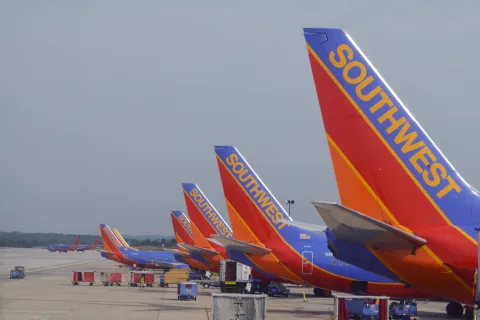
Southwest Airlines Grinds to Halt With 1000 Plus Delays
DALLAS, United States - Southwest Airlines disrupted thousands of travelers with 1,083 delays and 5 cancellations across major domestic routes, affecting cities from Chicago to Phoenix.
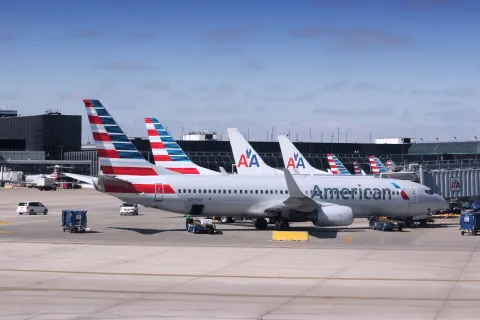
American Airlines Cuts Six California Routes on Fuel Costs
DALLAS, Texas - American Airlines pulls the plug on half a dozen California routes this summer and fall, blaming fuel prices tied to Middle East tensions for the temporary pause.
Man sneaks onto United flight with fake pass
TEXAS - A passenger allegedly used a counterfeit boarding pass to board a United Airlines flight, hiding in a bathroom before being discovered and removed from the aircraft.

Southwest Drops Free Bags as Major Overhaul Begins
DALLAS, Texas - Southwest Airlines scraps decades-old policies on seating and baggage while reshaping its executive team, marking the carrier's biggest strategic pivot in years.

About the Author

Bob Vidra
Bob Vidra, based in scenic Tahoe, is an esteemed tech editor known for his deep understanding of the dynamic intersection of technology, travel, and the outdoors.