The Threat That Won't Go Away
WASHINGTON - Homeland Security Secretary Markwayne Mullin has once again raised the possibility of halting customs and immigration processing at major international airports located in sanctuary cities, according to reports from USA Today. According to The Atlantic and Reuters, Mullin privately warned travel executives last week that the Department of Homeland Security could stop processing international travelers and cargo at airports in cities that do not cooperate with the Trump administration's immigration policies. This isn't new; it's a resurrection. Mullin first floated the idea in a Fox News interview earlier this year, asking, "If they're a sanctuary city, should they really be processing customs into their city?" At the time, he said, "We need to take a hard look at this." Now, it seems, that look is happening behind closed doors with the very people who would have to operationalize the chaos: airline executives. The implications are blunt. Without U.S. Customs and Border Protection officers to clear arriving passengers, international flights simply cannot land. As DHS itself has noted in earlier coverage of the proposal, withdrawing customs officials from airports like San Francisco International would mean "that would halt international travel because there would be no one to process people coming into the country." No processing, no flights. Full stop.Which Cities Are on the Chopping Block
As of 2025, at least 12 states, 18 cities, four counties, and the District of Columbia were identified as sanctuary jurisdictions, according to background research. The list of affected cities includes some of the nation's busiest international gateways: New York City, Los Angeles, San Francisco, Chicago, Seattle, Philadelphia, Denver, Boston, and New Orleans. If Mullin's proposal moved from talk to action, those hubs could lose the ability to receive direct international arrivals, forcing airlines to reroute passengers through compliant airports or abandon routes altogether. CBP collectively processes hundreds of millions of travelers each year at U.S. ports of entry, including airports, land borders, and seaports. Pulling officers from just a handful of major hubs would ripple through the entire system, congesting alternate airports, adding connection requirements, and driving up ticket prices and travel times for passengers trying to reach sanctuary cities from abroad. Airlines have made their alarm clear. The industry depends on CBP staffing and infrastructure to operate international routes; any disruption to those services could force carriers to suspend flights, add stops at alternate airports, or scramble to reconfigure networks built around major coastal and interior hubs. And it's not just leisure travelers who would feel the pain. Business travel, cargo logistics, tourism revenue, and the hospitality economies of affected cities would all take immediate hits.The Politics Versus the Passengers
Mullin frames this as a resource issue. He argues that sanctuary jurisdictions, which limit cooperation with federal immigration enforcement on civil matters like detainer requests, should not simultaneously benefit from federal resources that enable international entry. His supporters see the proposal as a way to reassert federal authority and allocate limited DHS funding more strategically during a period of heightened political tension over border security. Critics, including local officials and travel advocates, view the idea as political leverage dressed up as policy. Sanctuary policies, they argue, are local decisions about public safety and community trust, distinct from the federal responsibility to secure borders and facilitate lawful entry. Using customs access as a bargaining chip, they contend, punishes residents, businesses, and travelers for local governance choices, and blurs the line between immigration enforcement and travel infrastructure. Legal and operational questions remain wide open. Does DHS actually have clear authority to selectively withdraw customs processing from specific airports based on local immigration cooperation policies? What would the timeline look like if the administration moved forward? And what recourse, if any, would affected cities, airlines, or travelers have?What Travelers Should Watch For
If you're booking international travel to or from a sanctuary city, this isn't hypothetical noise anymore. Mullin's private warnings to travel executives suggest the administration is at least seriously exploring the mechanics of execution, not just floating trial balloons on cable news. For now, customs operations continue as usual. But the fact that DHS is holding meetings with airline leadership about this scenario means contingency planning is likely underway. Airlines build international schedules months in advance; if they start pulling back routes or shifting capacity to non-sanctuary hubs, you'll see it first in schedule filings and fare patterns. Practically speaking, if you're flying into JFK, LAX, SFO, ORD, or SEA from abroad this summer or fall, keep an eye on airline communications and be ready to adjust. The proposal may stall again, or it may escalate into formal policy. Either way, the fact that it keeps coming up tells you it's not going away, and the next time it surfaces, it might come with a timeline attached. Long-term travelers and digital nomads who rely on major U.S. hubs as entry points should start thinking about backup routing now. If customs disappears from your usual gateway, you'll be connecting through Houston, Miami, Dallas, or Charlotte instead, which means longer total travel time, higher fares, and fewer nonstop options. For anyone on a budget, that's not just inconvenience; it's a material hit to your trip cost and flexibility. This isn't border security. It's travel infrastructure being weaponized in a policy fight, and the people caught in the middle are the ones buying tickets and trying to get home.More travel news
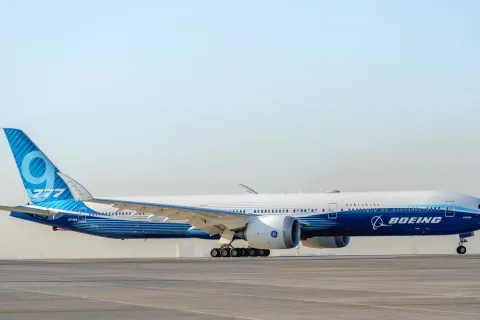
Boeing's 30 Grounded 777X Jets Face Years of Repairs
EVERETT, Wash. - Boeing faces a multi-year rework campaign for 30 stored 777X jets built to outdated standards, as airlines reject heavily modified early frames and regulators tighten oversight.
United Pilots Fired After Revealing Coach in Cockpit
The captain who reported a safety violation is now fighting termination in a federal whistleblower hearing, two years after a baseball coach sat in his seat mid-flight.
US Tightens Travel Screening Amid Congo Ebola Crisis
WASHINGTON - The United States has barred certain international travelers from Ebola-affected countries and is routing permitted arrivals through designated screening airports following an outbreak that has killed at least 131 people.

FAA Solves Shortage by Lowering Staffing Goals
WASHINGTON - The FAA has cut its national air traffic controller staffing target by roughly 2,000 positions, addressing a persistent shortage by changing the definition of success.
About the Author

Mariana Torres
Mariana is a 33-year-old travel writer and backpacker who specializes in finding the pulse of a place far beyond the tourist maps.