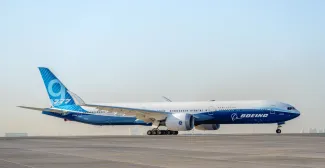
Built Too Early, Stuck Too Long
The 30 or so fuselages sitting at Paine Field weren't mistakes in the traditional sense. They were built during the certification process to earlier design standards, standards that made sense at the time but no longer match the configuration Boeing is now certifying, according to Simple Flying. As the FAA pushed Boeing to rethink structural margins, software protocols, and safety documentation in the wake of the MAX crashes, the 777X evolved. The jets in storage didn't. Each requires retrofit work of varying scope before it can be delivered, Boeing's CEO confirmed in May 2026, and that process will stretch across years. Think invasive: structural modifications, avionics upgrades, software revalidation, miles of rewiring, and exhaustive inspections under the watchful eyes of regulators who no longer take Boeing's word for much of anything. These aren't simple line changes. They're teardowns. The FAA, under political and public pressure after two deadly 737 MAX crashes, has fundamentally changed how it oversees Boeing. Instead of delegating much of the certification work to Boeing's own engineers, the agency now demands direct involvement in testing and compliance reviews. That means slower timelines, more documentation, and a much higher bar for design changes to clear. For the 777X program, already running seven years behind its original 2020 entry-into-service target, the added scrutiny has turned early-build jets into anchors.Airlines Want Factory-Fresh, Not Frankenplanes
Launch customers that signed up for the 777X in the early 2010s expected shiny new jets around 2020. What they're being offered now, in some cases, are heavily modified early airframes that spent years parked in the Pacific Northwest weather, waiting for Boeing to figure out what the final airplane should actually look like. Unsurprisingly, many are balking. Airlines don't want Frankenplanes. They want jets built to the final certified standard from day one, with no asterisks, no post-delivery modification campaigns, and no lingering questions about how invasive the rework really was. They've watched Boeing struggle with the 787 terrible teens, the early Dreamliners that required so many hours of engineering rework per airframe that the program's margins evaporated. They don't want a repeat. So Boeing is pivoting. Instead of trying to push the stored jets onto reluctant customers, the company plans to deliver newly built 777X aircraft first, once certification is finally complete. The 30 early frames will follow, eventually, after years of rework and reassembly. In the meantime, they sit, a very visible and very expensive reminder of what happens when you build jets faster than you can certify them.What Years of Rework Means for the Road Ahead
If you're an aviation geek, this is a slow-motion train wreck worth watching. If you're a long-haul traveler hoping to fly the 777X's spacious cabin and giant windows anytime soon, temper your expectations. The jets airlines will actually fly first are still being built. The ones sitting in Everett are a sideshow, albeit an expensive one. For airlines, the math is brutal. Every year of delay is another year of higher fuel burn on aging 777-300ERs, another year of schedule uncertainty, another year of compensation negotiations with Boeing. For Boeing, the rework campaign is a cash bleed and a public relations nightmare, a constant reminder that the company's engineering governance still hasn't fully recovered from the MAX crisis. For travelers, the practical impact is less about the 777X itself and more about what airlines do while they wait. Expect older widebodies to stick around longer, routes that were supposed to open or expand with new jets to be delayed, and ticket prices on long-haul routes to reflect the tight supply of modern, fuel-efficient aircraft. The 777X was supposed to be Boeing's redemption story, the airplane that proved the company could still innovate and deliver on time. Instead, it's become another case study in how not to certify an airliner, and those 30 jets in Everett are the most tangible evidence yet that the mess is far from over. Years of rework. Billions of dollars. Zero revenue. That's not a storage problem; that's a reckoning.More travel news
DHS Threatens Airport Shutdowns in Sanctuary Cities
WASHINGTON - DHS Secretary revives proposal to withdraw customs officers from major airports in sanctuary jurisdictions, sparking alarm from airlines and travelers.

United Pilots Fired After Revealing Coach in Cockpit
The captain who reported a safety violation is now fighting termination in a federal whistleblower hearing, two years after a baseball coach sat in his seat mid-flight.
US Tightens Travel Screening Amid Congo Ebola Crisis
WASHINGTON - The United States has barred certain international travelers from Ebola-affected countries and is routing permitted arrivals through designated screening airports following an outbreak that has killed at least 131 people.

FAA Solves Shortage by Lowering Staffing Goals
WASHINGTON - The FAA has cut its national air traffic controller staffing target by roughly 2,000 positions, addressing a persistent shortage by changing the definition of success.
About the Author

Mariana Torres
Mariana is a 33-year-old travel writer and backpacker who specializes in finding the pulse of a place far beyond the tourist maps.