DGCA Extends Pilot Duty Limits for Air India
In a parallel development that underscores the operational strain airlines are facing, the Directorate General of Civil Aviation granted temporary relaxations in pilot duty time limits for long-haul flights operated by Air India. The airline has been taking longer routes to avoid restricted airspace in the warzone, a reality that has pushed flight times well beyond normal parameters. Under the temporary measures, Air India's allowable flight duty period has been extended by one hour and forty-five minutes to 11 hours and 45 minutes, according to Airlines. The maximum flight time has also been increased by one hour and thirty minutes, allowing a maximum of 11 hours and 30 minutes. These aren't minor adjustments. They reflect the operational gymnastics airlines are performing to keep service running while avoiding conflict zones. Longer routes mean more fuel, more time in the air, and more strain on crew schedules. The DGCA's decision is a recognition that without flexibility, some flights simply can't operate under current conditions.What This Means for Travelers
If you're flying between India and the UAE in the coming days or weeks, expect uncertainty. Operational restrictions tied to geopolitical tensions are not static. They shift with the situation on the ground, and airlines are often reacting in real time to guidance from aviation authorities, military airspace controllers, and their own risk assessments. For passengers, this translates to potential last-minute cancellations, longer flight times due to rerouting, and limited rebooking options if your carrier has reduced frequency. Check your flight status obsessively. Don't assume that a flight scheduled for departure will actually leave on time or at all. Have backup plans, particularly if you're connecting through the UAE to another destination. The India-UAE corridor is a high-traffic route, heavily used by business travelers, expatriate workers, and tourists. Disruptions here ripple outward, affecting connections to Europe, Africa, and beyond. If your itinerary includes a stopover in Dubai or Abu Dhabi, understand that operational restrictions in the region could impact not just your inbound flight, but your onward connection as well.The Broader Regional Picture
What's happening between India and the UAE is part of a larger pattern across West Asia. Rising tensions in the region have created a patchwork of restricted airspace, forcing airlines to reroute, cancel, or consolidate flights. The impact isn't limited to one or two carriers. It's systemic, affecting both scheduled and ad-hoc operations across multiple airlines and multiple markets. For Air India, the longer routes imposed by airspace restrictions are a direct operational cost. More fuel, more crew time, more wear on aircraft. The DGCA's decision to relax duty time limits is a short-term fix, but it's not sustainable indefinitely. If the regional situation doesn't stabilize, airlines will face hard decisions about which routes remain viable and which don't. For travelers, the lesson is clear: when geopolitical tensions flare in a region you're flying through, flexibility becomes your most valuable asset. Book refundable tickets if possible. Monitor advisories from your government and from the airlines themselves. Understand that operational restrictions can appear with little warning, and that the travel experience in conflict-adjacent regions is fundamentally different from stable markets.Watch the Airspace
The situation in West Asia is fluid. What's restricted today may open tomorrow, or it may worsen. Airlines are operating in a reactive posture, adjusting schedules and routes as new information comes in. That's not a criticism; it's the reality of flying in regions where military activity and commercial aviation share the same sky. If you're planning travel to or through the UAE in the coming weeks, stay alert. Sign up for flight notifications from your carrier. Check for updates from the DGCA and equivalent authorities in the region. And understand that the operational environment is fragile enough that what worked yesterday may not work today. This isn't a time for assumptions. It's a time for vigilance.More travel news
Middle East Tourism Collapses Amid Regional Conflict
DUBAI, United Arab Emirates - Iran joins Israel, Saudi Arabia, UAE, Qatar, Iraq, Bahrain, Jordan, Syria, Egypt, and neighboring countries in an unprecedented tourism collapse, losing $600 million daily as conflict reshapes the region's travel landscape.

Dubai Hotels Shutter as Iran War Chokes Tourism
DUBAI, United Arab Emirates – Regional conflict sends Dubai's once-booming tourism industry into freefall, with hotel occupancy down more than half and luxury properties shuttering amid safety fears.

Emirates Plans Private Bathrooms for First Class
Dubai, United Arab Emirates - Emirates is exploring dedicated private bathrooms for every first-class passenger, a radical leap beyond its current A380 shower spas.

Cruise Lines Navigate Hormuz to Rescue Stranded Ships
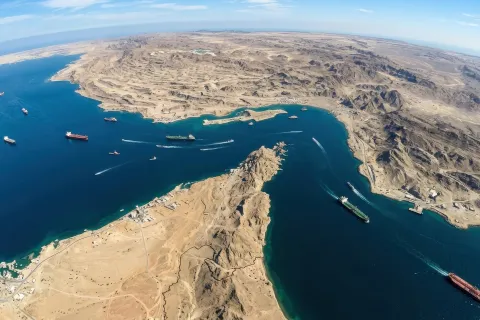
DUBAI, United Arab Emirates - Six cruise ships stranded in the Arabian Gulf since late February made successful transits through the temporarily reopened Strait of Hormuz, with agents commending operational coordination amid volatile geopolitical tensions.
About the Author

Jeff Colhoun
Jeff Colhoun is an acclaimed travel writer, photographer, and filmmaker, whose work is respected both in the United States and internationally.