

Hotels feel clean.
Sheets are crisp. Towels are folded. The bathroom gleams with the scent of bleach and lemon. But here's what no one tells you at check-in: you're not the first person in that room. Not even close. And some guests behave like they'll never face consequences, like the universe has granted them immunity from basic decency the moment they swipe that key card.
The truth is, most hotels work incredibly hard to maintain standards. Housekeeping teams tackle 14 to 16 rooms per eight-hour shift, spending roughly 30 minutes per room. They follow protocols. They use approved cleaning products. They change linens and vacuum and wipe down surfaces. But the variable they can't control is human behavior. And that's where things get interesting, in the most horrifying way possible.
What follows are five things that happen in hotel rooms more often than you'd ever want to imagine. Not urban legends or rare incidents, but behaviors that housekeeping staff encounter regularly, according to 2026 operational audits and industry confessions. These aren't just gross. They're the kinds of things that can genuinely ruin your stay, even if you never see evidence of them. Consider this your field guide to what really happens between checkout and your arrival.
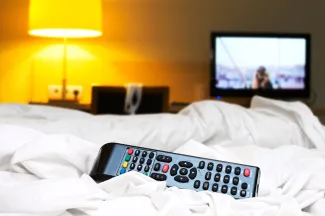
1. The TV Remote: The Dirtiest Thing Isn't the Bathroom
Let's start with something you're definitely touching tonight: the TV remote. It sits there on the nightstand, innocuous and familiar, probably the first thing you reach for after tossing your bag on the bed. Here's what you need to know. That remote is the dirtiest thing in your room, and it's not even close.
A 2012 University of Houston study sampled 19 surfaces across hotel rooms in Texas, Indiana, and South Carolina. TV remotes and bedside lamp switches ranked among the most contaminated items tested, harboring higher levels of aerobic and fecal bacteria than bathroom door handles or even headboards. Think about when people use that remote. After eating takeout with their hands. While lounging in bed after a long day. Post-bathroom, pre-handwashing. The remote lives inches from your face, gets passed between family members, and sits untouched by housekeeping wipes more often than not.
Here's why: hotel cleaning protocols prioritize visible surfaces and linens. Bathrooms get scrubbed. Floors get vacuumed. But small objects like remotes? They're wiped down inconsistently, especially during high-occupancy periods when staff are rushing to turn rooms in under 30 minutes. The buttons create crevices where bacteria thrive. Touch points multiply in 2026 with smart room technology integration, adding tablets and control panels to the contamination mix.
The science backs this up. High-touch surfaces that don't get laundered or deep-cleaned enable cross-contamination. A recent study using tracer organisms found that bacteria from a hotel lobby's high-touch surfaces reached 50% of sampled areas within four hours. Now imagine that playing out over days, weeks, or months of guest turnover in your room.
This is why seasoned travelers wipe the remote first. Keep disinfectant wipes in your carry-on. The moment you enter the room, before you even unpack, hit the remote, light switches, door handles, and thermostat controls. It takes 30 seconds and eliminates the single biggest hygiene risk you'll face during your stay.
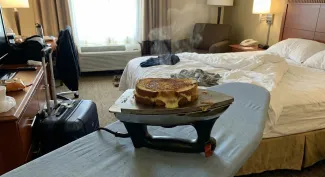
2. Cooking on the Iron: The Viral 'Hotel Hack' That Ruins Everything
Yes, people cook on hotel irons. This isn't speculation or myth. It's a viral TikTok trend that's exploded across social media since 2023, racking up millions of views. Videos demonstrate "hotel hacks" where guests make grilled cheese sandwiches, cook bacon, press quesadillas, and even grill vegetables using the clothes iron and aluminum foil.
Here's the problem. Not everyone uses foil as a barrier. Even when they do, grease seeps through. Cheese melts into the steam vents. Bacon fat spatters across the ironing board cover. The iron plate gets scorched, warped from uneven heat distribution designed for fabric, not food. And that same surface, the one that just cooked someone's midnight snack, is what presses your shirt tomorrow morning.
Housekeeping staff encounter food residue during turnover regularly, according to 2026 reports on guests misusing in-room amenities. The damage goes beyond surface grime. Cooking releases odors that permeate curtains, upholstery, and HVAC systems. Hotels report increased repair costs, with guests facing charges between $50 and $200 for appliance replacement when the damage gets discovered. But here's the catch: if it's not immediately visible, the iron just goes back on the shelf.
The fumes linger for days. If you're sensitive to smells or have allergies, you're walking into a room that reeks of burnt cheese and mystery oils. The iron itself becomes a hygiene hazard. Residual particles carbonize at high heat, then transfer to your clothes as dark streaks or stains. Suddenly, wrinkle-free doesn't feel so fresh anymore.
Your move? Inspect the iron before use. Look for discoloration, residue around the steam vents, or unusual smells when you plug it in. If anything seems off, request a replacement from the front desk immediately. Better yet, travel with a small steamer or skip ironing altogether.
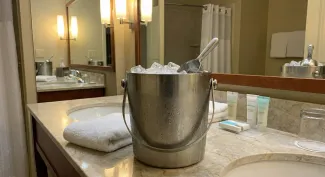
3. The Ice Bucket Incident: Not Always Used for Ice
The ice bucket sits in your room looking clean and functional. It has a lid. It's often wrapped in plastic. It seems like one of the safer in-room items. But conferences, weddings, and spring break tell a different story.
When guests don't make it to the bathroom in time, the ice bucket becomes a backup plan. Housekeeping staff encounter this more frequently than anyone wants to admit, especially during high-occupancy events like wedding blocks or convention weekends. The guest empties it, gives it a quick rinse in the bathroom sink, snaps the lid back on, and resets the room before checkout. Housekeeping arrives, sees a bucket that looks fine, and moves on.
Here's the issue: not all ice buckets are sanitized between guests unless they're visibly soiled. During busy shift handovers or when hotels participate in housekeeping opt-out programs to promote sustainability, gaps emerge. The bucket gets a visual check, maybe a quick wipe, but rarely goes through full sanitization protocols. That's especially true during peak turnover periods when staff are managing 14 to 16 rooms per shift.
Mystery audits from 2026 operational reviews reveal that 30% of rooms have hidden issues during busy shifts. Ice buckets rank among the overlooked items, alongside coffee makers and glassware. The plastic is porous enough to retain odors and bacteria even after rinsing. If the bucket held anything other than ice during the previous stay, you're dealing with potential contamination the moment you fill it.
The complimentary ice hits different once you know this. Use plastic liners if the hotel provides them. Better yet, bring your own collapsible silicone container or skip the bucket entirely and request ice in a sealed bag from the front desk. If you must use the in-room bucket, line it with the plastic laundry bag first. Small habit, massive difference in peace of mind.

4. The Soft Furniture Reality: What Doesn't Get Laundered
Everyone worries about the bed. Are the sheets clean? Did they change the duvet cover? What about the pillows? Those are valid concerns, but you're focusing on the wrong surface. The bed gets stripped and remade between every guest. The upholstered chair in the corner? The bench at the foot of the bed? The lounge chair by the window? Those don't.
Soft furniture in hotel rooms is spot-cleaned at best. Housekeeping targets visible stains with spray cleaners and blots them dry. Unless there's obvious damage or a reported incident, those surfaces never get deep-cleaned or laundered. They absorb everything: spilled drinks, body oils, sweat, food crumbs, makeup transfer. The fabric holds onto it all, layering guest after guest, week after week.
Here's what housekeeping staff confess: the bed isn't the only place things happen. Guests eat on upholstered chairs. They lounge in robes that haven't been washed. They prop bare feet on ottomans. They sit on benches after workouts, still damp with sweat. And when something more intimate occurs, it's not always confined to the mattress. The furniture gets involved, and there's no protocol for dealing with that between stays.
The 2026 housekeeping workflows prioritize visible surfaces. Floors, counters, glass, and bathrooms get the attention because they're what guests notice first. Upholstery blends into the background. It looks fine from a distance. But up close, under UV light, the story changes. Studies on high-touch surfaces in hotels confirm that items on housekeeping carts, including cleaning sponges and mops, show higher contamination than some bathroom fixtures, enabling cross-contamination between rooms. Those same mops touch your chair.
You sit differently once you know. Avoid placing your clothing or bags directly on upholstered furniture. Use the luggage rack, closet shelves, or hard surfaces like desks and nightstands. If you need to sit somewhere other than the bed, lay down a towel first. It's not paranoia. It's adapting to reality.
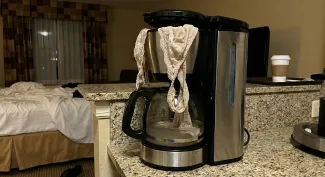
5. The Coffee Maker 'Laundry Service': Your Morning Brew's Backstory
This one hits hard because it involves your morning ritual. You stumble out of bed, fill the coffee maker with water, pop in a pod or grounds, and wait for that first blessed cup. But some guests use that same machine to wash their underwear.
It sounds absurd until you see the TikTok videos. Travelers demonstrate "hacks" where they run hot water through the coffee maker system, sometimes with a squirt of soap, to rinse out socks, underwear, or other small clothing items. The logic is simple: it's a contained hot water source. The execution is horrifying. The tubing inside the machine doesn't get disassembled or cleaned between guests. Whatever goes through it stays in the system, mingling with the next pot of coffee.
Hotels report this as part of the broader trend of guests misusing in-room tech and equipment, according to 2026 operational audits. Coffee makers also get used to boil eggs, cook ramen, heat hot dogs, and warm pasta. The plastic components degrade from oils and excessive heat. Residue builds up in the water reservoir, the tubing, and the carafe. Even if the outside looks clean, the inside is a science experiment.
Housekeeping doesn't have time to deep-clean coffee makers during standard turnover. They rinse the carafe, maybe wipe down the exterior, and move on. The interior mechanisms remain untouched unless there's visible mold or a guest complaint. That means you're brewing coffee through a system that's been in use, uncleaned, for weeks or months. Your morning brew comes with an unexpected backstory, and it's not the artisanal origin tale you were hoping for.
The fix is simple but requires planning. Travel with your own pour-over cone or French press. Boil water in the electric kettle if the room has one, or request hot water from the lobby. Avoid the in-room coffee maker entirely unless you can inspect and clean it yourself first. Some travelers run a cycle of white vinegar through the system before use, but that assumes the machine is even functional and not actively harboring something worse.
The Variable Is Human Behavior: What the Data Shows
Most hotels genuinely work hard to maintain standards. U.S. hotel occupancy averaged 63.38% in 2025 and into 2026, meaning high turnover and constant pressure on housekeeping teams. Staff encounter the behaviors outlined above regularly, according to industry operational audits and anonymous confessions from workers managing multiple rooms per shift.
Mystery audits reveal that 30% of rooms have hidden issues during busy shifts, from overlooked stains to improperly sanitized surfaces. Insurance claims from guest damage cost hotels an average of $939 per available room, with resorts seeing costs as high as $2,464. Property insurance rates increased 17% to 26% in 2025 and 2026, driven partly by frequent guest-caused incidents like fires, vandalism, and accidents. Those higher costs get passed to future guests through increased room rates.
The science adds another layer. Cross-contamination risks escalate on high-touch, porous surfaces that don't receive targeted disinfection. Bacteria from one guest's stay can reach 50% of a room's surfaces within hours if not properly addressed. Housekeeping carts themselves become vectors, spreading organisms room-to-room when sponges and mops aren't sanitized between uses.
This isn't about blaming hotels or staff. It's about understanding that the system has limits. When you're cleaning 14 rooms in eight hours, things slip through. When guests behave recklessly, assuming they'll never face consequences, the next person in that room inherits the aftermath.
Small Habits That Make a Big Difference
You don't need paranoia. You need awareness and a few proactive habits that take minutes but protect your health and peace of mind during every hotel stay.
Wipe high-touch surfaces immediately upon check-in. Pack disinfectant wipes in your carry-on and hit the TV remote, light switches, door handles, thermostat controls, and phone. These surfaces rarely get thorough cleaning between guests and harbor the highest bacterial loads according to research studies.
Use plastic liners or bring your own containers for ice. If the hotel provides bucket liners, use them. If not, line the bucket with the in-room laundry bag or skip it entirely and request ice in sealed bags from the front desk.
Remove decorative items from beds and chairs before use. Toss throw pillows and blankets onto the closet shelf. Lay a towel down on upholstered furniture before sitting. Keep your clothing and bags on hard surfaces like luggage racks, desks, or closet shelves, never directly on soft furniture.
Bring your own travel French press or pour-over cone for coffee. Avoid the in-room coffee maker unless you can inspect and clean it first. If you must use it, run a cycle of plain water through before brewing to flush out any residue.
Request fresh vacuum-sealed linens if you're staying at a luxury property that offers them. Ask about housekeeping protocols at check-in if you have specific concerns. High-end hotels increasingly use HACCP-based cleaning methods and digital quality audits to catch issues before guests arrive.
Awareness, Not Paranoia
You don't need to stop staying in hotels. Travel is too enriching, too essential, too joyful to abandon over hygiene concerns. But you do need to stop assuming that pristine means untouched. A made bed and folded towels signal effort, not sterility. The crisp hospital corners and mint on the pillow don't erase what happened before you arrived.
A few proactive steps give you control over your environment. From a biotech perspective, understanding contamination pathways empowers you to interrupt them. You can't eliminate every risk, but you can dramatically reduce exposure with minimal effort. Hotels are improving. Technology like automated audits, contactless operations, and UV-C disinfection systems are rolling out across properties in 2026, raising baseline standards industry-wide.
The guest before you might have cooked bacon on the iron or washed socks in the coffee maker. They might have used the ice bucket for something unspeakable or spent the entire stay sprawled across that upholstered chair in ways you don't want to imagine. You can't control what they did. But you can control how you respond. You'll still stay in hotels. You just won't assume anything is untouched.
About the Author

Jennifer Wilmington
Jennifer Wilmington is a distinctive voice in the world of family and luxury travel, offering unique perspectives derived from her diverse background and experiences.