
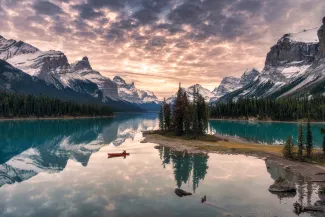
The airport empties out after Labor Day. Hotel rates drop. Restaurant tables open up. And that perfect weather you paid a fortune for in July? It's still here in September, just without the crowds and the eye-watering price tags. If you've been watching airfare alerts and clicking through hotel searches with sticker shock, September 2026 might be exactly what you need.
This is what travel insiders call shoulder season; the sweet spot between peak summer chaos and the full autumn rush. In September, you'll find Mediterranean sea temperatures at their annual warmest, national park trails still fully accessible, and flight deals that make you wonder why anyone travels in August at all. We're talking 20-40% hotel discounts, 20-30% cheaper flights, and destinations that finally have room to breathe.
Labor Day 2026 falls on Monday, September 7. That's your dividing line. After that long weekend, prices tumble, crowds thin, and suddenly those dream trips feel a lot more doable. The Greek islands that cost €180 a night in August? Try €60. That week in the Canary Islands your friends raved about? Half the price. Yosemite without entry reservations? For the first time in years, it's happening.
Let's break down where your September dollar stretches furthest, from the cobblestones of Rome to the alpine trails of Glacier National Park. This is your field guide to traveling smarter, not harder.
Quick Facts: September Travel 2026
- Peak Savings Window: September 8-30 (post-Labor Day through month end)
- Typical Savings: 20-40% on hotels, 20-30% on flights vs. August
- Weather: Mediterranean temps 23-27°C; US mountain parks 10-24°C
- Booking Window: Europe 5-12 weeks ahead (June-July); US parks more flexible
Crowd Reduction: 20-40% fewer visitors at major destinations vs. peak summer
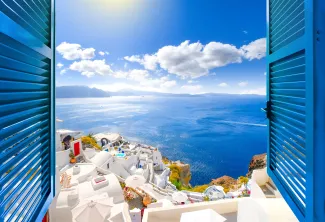
The Greek Islands: Half the Price, All the Sun
Here's a number that'll make you reconsider your August vacation: hotels in Crete and Rhodes that charge €120-180 per night in the summer drop to €50-80 in September. That's not a typo. You're looking at roughly 50% off for the same room, same view, same turquoise water lapping at the beach below.
And about that water; September is when the Mediterranean hits its warmest temperatures of the year. Sea temps around the Dodecanese islands hover at 25-26°C, actually warmer than July. The crowds, though? They've packed up and gone home after schools restart across Europe in early September.
Budget travelers have figured this out already. Flights from Rome or Milan to Greek islands run €35-60 each way on Ryanair and Volotea in September. Add those rock-bottom hotel rates, and you're looking at a daily budget of €90-170 for a comfortable trip through Rhodes, Kos, or the tiny gem that is Symi. Mid-range hotels in Chania, Heraklion, and Rethymno become genuinely affordable.
The secret within the secret? Book 8-12 weeks ahead, somewhere in that June-July window, for the best September availability. And aim for weekday, midweek visits. Once European schools restart around September 10-15, the difference between a Tuesday afternoon and a Saturday at Lindos Beach is night and day.
Rhodes deserves special mention. The medieval Old Town empties out enough in September that you can actually enjoy those narrow Byzantine streets without playing human pinball. Rhodes Old Town guesthouses drop their rates significantly, and suddenly that courtyard room with the citrus trees doesn't require a second mortgage. All-inclusive resorts along the eastern coast follow suit, often throwing in free nights or upgrades for September bookings.
Kos offers a quieter alternative, with boutique hotels in Kos Town offering exceptional value. The island's compact size means you can beach-hop without burning through your budget on taxis or rentals.
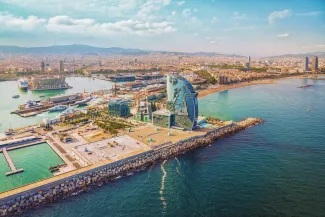
Rome & Barcelona: City Breaks With Serious Savings
Let's talk real numbers. A decent hotel near the Colosseum in Rome costs €300-340 per night in late July. That same room in late September? €200-240. Over a 10-night trip, you've just saved €800-1,300. That's not pocket change; that's an entire second trip hiding in your budget.
According to Google Hotels, Barcelona for three nights mid-September (September 10-13) shows options ranging from $136 to $509 per night, with a comfortable median around $215. Properties like Maravilloso apartamento de 2 dormitorios cerca de la Sagrada Familia hit that $136/night sweet spot with a solid 4.6-star rating, while La Casa Gran Bed & Breakfast offers a more intimate experience at $181/night. For those wanting modern amenities, HG City Suites Barcelona delivers at $190/night.
Barcelona's beaches stay pleasant through mid-October, with typical September daytimes hitting 27°C. You're looking at a €110-190 daily budget for mid-range comfort, including meals at those outdoor terraces in the Gothic Quarter and a couple of museum visits. Book 5-8 weeks ahead and you'll have your pick of neighborhoods; Eixample, El Born, or even beachfront Barceloneta without the peak-season premiums.
The savings percentages tell an interesting story. Barcelona and Rome both see 25-35% hotel rate drops in September, but compare that to Paris or London where you'll only see 15-20% reductions. Why? Business travel picks back up in the northern capitals, keeping rates artificially inflated. Southern European cities stay firmly in leisure mode through September, and your wallet benefits.
There's a cultural bonus nobody talks about enough. September is when the opera seasons launch, theaters reopen after summer breaks, and food festivals multiply. You're getting the full cultural experience without the crushing heat that makes August sightseeing feel like a forced march. Hotels near the Colosseum and in Trastevere understand their leverage drops post-Labor Day, and they price accordingly.
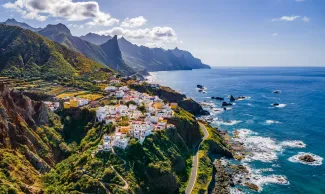
Portugal's Algarve & Spain's Canary Islands: Beach Season Extended
If you're chasing beach weather beyond September, the Algarve and Canary Islands are where Mediterranean summer goes to retire gracefully. The Algarve in September delivers 26°C daytime temperatures, guesthouses for €90-140 per night (down from €140-200+ in August), and an overall daily budget of €95-160. That 30-50% savings compounds quickly over a week-long stay.
The food alone justifies the trip. Seafood dinners in fishing villages like Lagos or Tavira run €18-24 for grilled dourado or cataplana that would cost twice that in July. Flights from major European cities cost €80-150 return in September, often with multiple daily departures that give you scheduling flexibility. Algarve guesthouses and boutique hotels compete aggressively for post-summer bookings, so don't be shy about asking for multi-night discounts.
The Canary Islands, though? That's where budget math gets really interesting. All-inclusive resorts in Fuerteventura charge €600-800 per week for couples in September, compared to €1,200-1,600 in August. You're effectively paying half price for the same package. Madrid-to-Fuerteventura deals start around €418 per person including flights and week-long accommodation. Properties like Hotel La Casita exemplify the value you'll find.
Fuerteventura and Lanzarote maintain 23-25°C temperatures through September, with reliable sunshine and Atlantic beaches that never quite hit Mediterranean warmth but stay comfortable enough for full beach days. The volcanic landscapes photograph beautifully in the slightly softer September light, and the trails through Timanfaya or along the northern coasts are finally manageable without risking heatstroke.
Position these islands as your budget-friendly alternative to the Greek islands. You'll trade a bit of historical charm for dramatic volcanic scenery and pricing that's even more aggressive. Mid-range hotels in Malaga and Palma work as convenient stopovers if you're routing through the Spanish mainland.
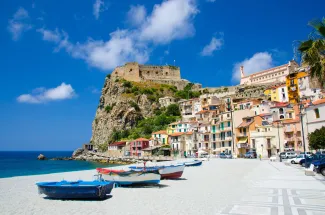
Sicily & Southern Italy: La Dolce Vita, Shoulder-Season Style
Sicily and Apulia represent southern Italy's best value proposition in September. The tourist infrastructure stays fully operational, the weather cooperates beautifully, and suddenly those coastal towns become places where you can actually find parking.
In Sicily, focus on Taormina, Cefalù, and Syracuse. Mid-range coastal hotels run €120-190 per night, with significantly improved availability once you hit mid-September. Taormina's boutique hotels cling to those cliffsides with the same stunning views, just without the August price gouging. The ancient Greek theater still hosts performances, but you can book seats without planning six months ahead.
Cefalù's bed and breakfasts and Syracuse's waterfront properties understand they're competing for your shoulder-season euros. Many throw in breakfast, parking, or welcome amenity packages they'd never consider in high summer.
Apulia might be Italy's most underrated September destination. Masserie in Polignano a Mare and boutique stays in Monopoli drop to €110-180 per night, often with discounts for booking four nights or more. The masserie, those fortified farmhouse complexes unique to the region, offer something you can't find anywhere else; thick stone walls keeping rooms naturally cool, olive groves extending to the property edges, and farm-to-table dinners featuring produce from the surrounding fields.
The Salento peninsula, down at Italy's heel, stays warm enough for beach days through late September. The whitewashed towns like Ostuni and Locorotondo photograph like Greek islands but cost substantially less. Daily budgets of €110-180 cover comfortable accommodations, excellent meals, and that afternoon aperitivo ritual that defines Italian summer.
Venture slightly inland to Umbria for an entirely different experience. Countryside agriturismos charge €100-170 per day, including those massive country breakfasts that eliminate the need for lunch. September is harvest season; you'll stumble across grape festivals, truffle markets, and olive oil celebrations. Four to six nights gives you time to explore hilltop towns like Spello and Montefalco without rushing, and the cooler temperatures make those steep medieval streets much more pleasant than they'd be in July.
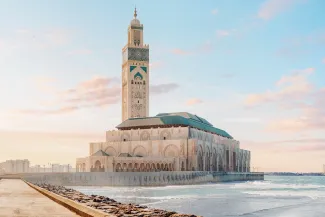
Morocco's Atlantic Coast: The Mediterranean's Budget Secret
Here's a destination that doesn't get enough September attention. Morocco's Atlantic coast offers Mediterranean vibes at substantially lower prices than Portugal or Spain, with the cultural intrigue of North Africa thrown in as a bonus.
Agadir is the budget champion. Flights from Rome or Milan cost €30-50 each way in September, and four-star hotels run €40-60 per night with breakfast included. Do the math on a week-long trip for two: flights, hotel, food, and activities clock in around €700-900 total. That same trip in August would cost €1,200-1,500, and you'd be sharing the beach with significantly more people.
Essaouira offers more character, with its blue-and-white medina walls and that constant Atlantic breeze that keeps temperatures comfortable. September daytimes hit 26°C, and you're looking at a €70-130 daily budget depending on how much you splurge on seafood and handicrafts. Riads and guesthouses charge €80-140 per night, often including those elaborate Moroccan breakfasts on rooftop terraces overlooking the medina.
The Atlantic water temperature sits around 22°C in September, cooler than the Mediterranean but still comfortable for swimming. That ocean breeze becomes a feature, not a bug; it moderates the heat and powers the windsurfers who dot the beaches. Beachfront resorts in Agadir cater to European families looking for uncomplicated beach weeks, while Essaouira attracts the artsy crowd with its galleries and music scene.
The cultural component sets Morocco apart. Between beach sessions, you're exploring souks, haggling over handwoven rugs, and eating tagines that cost a fraction of what you'd pay for inferior versions in Europe. It's the budget-conscious traveler's secret weapon.
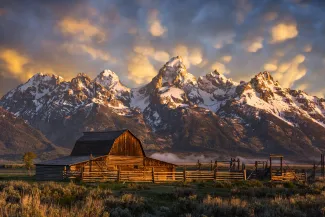
US National Parks After Labor Day: Nature Without the Chaos
Let's set realistic expectations first: September is still the third-busiest month nationwide for US national parks. But third-busiest means 20-40% fewer visitors than the July-August peak, and that percentage makes an enormous practical difference when you're trying to find parking at sunrise or get a table at the lodge restaurant.
Labor Day 2026 falls on Monday, September 7. Parks operate in full summer mode through that long weekend, which means maximum crowds and maximum prices at gateway hotels. The week immediately after, September 8-11, is your sweet spot. Crowds thin noticeably, services remain fully operational, and summer-like access persists across most parks.
One wrinkle to plan around: National Public Lands Day falls on the last Saturday in September. That's free admission day at all national parks, which sounds great until you realize it brings weekend-level crowds on what would otherwise be a quieter late-September day. If you're flexible, aim for the Tuesday, Wednesday, or Thursday of any September week. Midweek visits see 25-40% lower traffic than weekends, and the difference at popular trailheads is dramatic.
Standard pricing is straightforward: $35-40 per vehicle for a seven-day pass at major parks. If you're planning multiple parks, the $80 annual America the Beautiful pass pays for itself after three visits. Gateway city hotels; places like West Yellowstone, Estes Park, and Springdale, Utah, stay reasonably priced through September, though booking a few weeks ahead helps ensure availability.
The sunrise strategy works everywhere. Arriving at trailheads by 6:30-7:00 AM cuts congestion by roughly 80% compared to the 9:00-10:00 AM rush. You'll have trails largely to yourself for the first hour or two, and the morning light photographs beautifully.
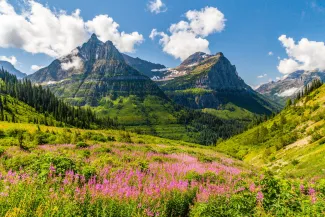
Glacier National Park: Montana's Alpine Perfection
Glacier claims September as its best shoulder-season month, and the park delivers on that promise. The Going-to-the-Sun Road typically stays fully accessible through mid-to-late September, giving you that epic 50-mile drive across the Continental Divide without the July crowds that turn it into a parking lot.
September sees roughly 600,000 visitors compared to 750,000 in August; a 20% drop that you'll feel immediately in the parking lots and on the trails. But here's the real news for 2026: Glacier has dropped vehicle reservations entirely. This is the first fully reservation-free season in years, enabling genuinely spontaneous trips. You can wake up, check the weather, and just go.
The $35 per vehicle seven-day pass remains standard. Hotels in West Glacier and Whitefish serve as your base camps, with St. Mary Lodge & Resort on the east side offering convenient access to the Many Glacier area. If Many Glacier Hotel is open into September (seasonal closures vary), it's worth booking despite higher rates.
Late September brings the first larch and aspen color to higher elevations, adding gold highlights to those already-stunning alpine landscapes. Alpine trails remain open and snow-free through most of the month, though you should always prepare for variable conditions. Layers are essential; you might start a hike at 40°F and finish at 65°F under full sun.
Lodges in Columbia Falls provide another gateway option, particularly if you're approaching from the south or west.
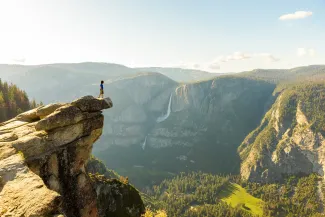
Yosemite & Rocky Mountain: Icons Without the Entry Stress
Yosemite's September visitor counts drop 20-30% compared to July-August, but don't expect solitude in the Valley. Weekends still bring substantial crowds. The real shift happens midweek, particularly after mid-September when California schools are firmly back in session.
The game-changer for 2026: Yosemite has dropped vehicle entry reservations entirely. This is the first reservation-free season since before the pandemic, eliminating one of the major planning headaches that's plagued visitors for years. You'll still need permits for Half Dome (separate lottery system via recreation.gov), but general park access is wide open.
According to Google Flights, getting to the western parks is affordable. JFK to Las Vegas round-trip in mid-September runs as low as $317 (September 15-22) on American, Delta, and JetBlue, with average flight times around 5.5 hours. Las Vegas serves as a gateway to multiple western parks, making it a budget-friendly starting point.
The parking sensor data tells you everything you need to know about timing. Weekday arrivals at sunrise use only about 30% of parking capacity in the Valley, letting you avoid roughly 80% of the congestion you'd face arriving midmorning or afternoon. That 6:30 AM alarm hurts less when you're walking right up to Mirror Lake or getting a prime viewpoint at Valley View without jockeying for position.
Yosemite Valley Lodge and the historic Ahwahnee book up months in advance, but gateway hotels in Mariposa and Groveland stay available and reasonably priced through September.
Rocky Mountain National Park operates under a different system. The timed-entry reservations that govern summer access end after September 8. The second half of September becomes true shoulder season, with far fewer restrictions and noticeably thinner crowds. Hotels in Estes Park drop their rates as September progresses, and Grand Lake on the western side offers quieter lodging options.
Weather becomes more variable in the Rockies by mid-September. Daytime temperatures range from 65-75°F, but nights drop to 35-45°F. Early snow can hit high passes, so check conditions before committing to Trail Ridge Road or high-elevation hikes. The unpredictability is part of the charm; you might see summer wildflowers and fresh snow in the same day.
How to Maximize Your September Savings
Booking strategy varies by destination, and getting it right can save hundreds. For European destinations, the 5-12 week advance window (roughly June through July) captures the best September availability before properties fill up. Mediterranean hotels start releasing shoulder-season rates in late spring, and early bookers get first pick of room categories.
US national parks allow more flexibility on timing, but don't sleep on gateway lodging. Towns like West Yellowstone, Estes Park, and Springdale have limited inventory, and waiting until August to book September stays leaves you with slim pickings or inflated prices.
Weekday travel is your secret weapon everywhere. Flying Tuesday through Thursday often triggers lower airfares, and hotels in both Europe and the US drop rates midweek when business travel doesn't fill the gap. That Tuesday-Thursday visit to Barcelona or Yosemite cuts crowds by 25-40% and frequently costs 15-20% less than weekend rates.
Avoid two specific periods if crowds bother you: Labor Day weekend itself (peaking Monday, September 7) and National Public Lands Day weekend (the last Saturday of September) for US parks. Both bring surge pricing and summer-level traffic. The midweek periods between them offer vastly better experiences.
In Europe, mid-September after schools restart (roughly September 10-15 onward) triggers the steepest discounts and best availability. Italian families vacate Sicily, German tourists leave the Greek islands, and suddenly those beachfront hotels are competing for your business. Don't hesitate to call properties directly and ask about midweek specials or extended-stay discounts; you'll often get better deals than published online rates.
Package deals for Mediterranean destinations frequently beat piecing together flights and hotels separately. Check aggregators for all-inclusive options, particularly for the Canary Islands and Greek islands, where bundled pricing can save 20-30% off booking components individually.
The sunrise strategy works everywhere, not just national parks. Arriving at the Acropolis, Sagrada Familia, or Cinque Terre trailheads at opening time avoids 80% of the day's crowds. You'll shoot better photos, enjoy sites more peacefully, and finish before afternoon heat becomes oppressive.
Look for shoulder-season promotions that sweeten deals beyond base rates. September hotel bookings often include added value: complimentary breakfast, free parking, resort credits, or room upgrades. Properties want to maintain occupancy, so they're more generous with incentives than they'd ever be in July.
What to Pack for September Shoulder Season
Mediterranean Europe in September still skews summer, but evenings cool enough to warrant a light jacket, particularly in northern Spain and higher-elevation Italian towns. You're not dealing with winter weather, just that first hint that autumn is approaching. A packable rain jacket handles occasional showers that become more common as the month progresses.
US mountain parks demand layering strategy. Morning trailhead temperatures around 40°F can climb to 70°F by afternoon under full sun. The classic system works: moisture-wicking base layer, insulating mid-layer, and weatherproof outer shell. You'll shed and add layers throughout the day, so a decent daypack becomes essential. Rain gear protects against afternoon thunderstorms that build regularly over mountain parks.
Footwear matters more than people realize. European cities mean serious walking; eight to ten miles daily is typical. Broken-in, comfortable walking shoes prevent the blisters that ruin day three of your trip. For national parks, actual hiking boots with ankle support and traction save you from twisted ankles on rocky trails. Don't break in new boots on vacation; that's a recipe for misery.
Sun protection remains crucial. UV intensity stays high in September, particularly in the Mediterranean and at altitude in mountain parks. A good sunscreen (reef-safe for beach destinations), hat, and sunglasses prevent the sunburns that people always underestimate in shoulder season. The sun feels gentler in September, but you'll still burn if you're not careful.
European travel requires power adapters for US electronics, and portable battery chargers keep phones alive through long sightseeing days. You're using your phone constantly; maps, translation apps, restaurant reservations, hotel confirmations. A dead battery at 4 PM in an unfamiliar city is more than inconvenient; it's genuinely stressful.
Don't overpack. September's moderate temperatures mean you can repeat outfits easily, and most hotels offer laundry services or self-service machines. That massive suitcase you're considering? You don't need it. Travel lighter, move faster, and stress less.
September 2026: Your Window for Smarter Travel
The numbers back up what savvy travelers already know: September delivers 20-40% savings and 20-40% fewer crowds with virtually identical weather to peak summer. You're not sacrificing quality or comfort; you're just traveling when everyone else isn't. According to Google Flights, JFK to Athens post-Labor Day runs $637 round-trip, opening up the Greek islands at prices that make extended trips feasible. Mediterranean sea temperatures peak in September, US national parks stay fully accessible, and hotel rates drop the moment Labor Day passes.
The 2026 flexibility advantage is real. Yosemite and Glacier have eliminated vehicle reservations for the first time in years, enabling the spontaneous trips that used to define national park travel. You can check the weather Wednesday night and be on the trail Friday morning without months of advance planning.
That post-Labor Day week, September 8-11, is your single best window across both continents. European crowds haven't returned, schools have restarted, and US parks transition from peak summer to shoulder season. Midweek visits during this period maximize your advantage everywhere.
Start planning now. Europeans should book June-July for best September availability; gateway hotel inventory near major parks fills faster than you'd expect. This is your pillar resource for September travel; we'll roll out destination-specific deep dives in coming weeks that expand on these highlights.
September is when savvy travelers eat well, sleep cheap, and skip the lines. The weather cooperates, the crowds thin, and suddenly those dream destinations fit your budget. I'll be out there in September; maybe I'll see you on a Glacier trail or at a sidewalk cafe in Rome, wondering why anyone travels any other month. Safe travels.
About the Author

Jeff Colhoun
Jeff Colhoun is a photographer and filmmaker whose work has appeared in The Wall Street Journal, the Los Angeles Times, Matador Network and Barron’s.