
10 Best Places to Visit in Mexico in 2026
Where Should You Go in Mexico?
Museums and markets, an easy resort vacation, or a smaller city built for wandering? Choosing among the best places to visit in Mexico starts with that question, not a hotel sale. A Caribbean beach and a highland plaza can both deliver a terrific vacation; they just require different shoes, budgets, and expectations.
For a quick answer, Mexico City and Oaxaca are worth visiting for food and culture. Cancún, Playa del Carmen, and Cabo offer distinctly different beach vacations. Mérida and the central highland cities reward travelers who prefer architecture, regional cooking, and another hour exploring over another hour beside the pool.
This selection complements our guide to the best places to visit in North America. It’s a curated list, not a numerical safety ranking. Use this compact comparison to narrow the field:
- Mexico City: Museums and dining; 3–4 nights; Ciudad de México.
- Oaxaca City: Regional food and crafts; 3–4 nights; Oaxaca.
- Cancún: Resort convenience; 4–6 nights; Quintana Roo.
- Tulum: Coastal ruins and design; 3–4 nights; Quintana Roo.
- Playa del Carmen: Walkability and island excursions; 3–5 nights; Quintana Roo.
- Los Cabos: Dramatic coastlines; 4–5 nights; Baja California Sur.
- Puerto Vallarta: Beaches with city life; 4–5 nights; Jalisco.
- San Miguel de Allende: Art and romantic weekends; 2–3 nights; Guanajuato.
- Mérida: Yucatán culture; 3–4 nights; Yucatán.
- Guanajuato: Colorful streets and performing arts; 2 nights; Guanajuato.
The safety guidance below is dated November 4, 2026. The U.S. State Department’s Mexico advisory assesses states separately; employee travel restrictions can also identify particular roads and areas. Neither a popular resort nor an unrestricted city is risk-free.
Quick Facts
- Best Time to Visit: Generally November–April for drier conditions across these destinations; elevation, coastal humidity, and holiday crowds matter.
- Currency: Mexican peso, MXN. Carry pesos for markets and small purchases.
- Language: Spanish, alongside many Indigenous languages; English availability varies.
- Getting There: Compare flights into your actual destination, including airport transfers. Mexico City, Cancún, Los Cabos, and Puerto Vallarta are useful gateways.
1. Mexico City: Best for Museums, Food, and a First City Break
Give Mexico City three to four nights, and resist treating it like a scavenger hunt. Centro Histórico delivers monumental sightseeing; Roma Norte and Condesa offer leafy dining and lodging bases. Polanco suits travelers prioritizing upscale restaurants and proximity to Chapultepec.
Things to do in Mexico City
Build one day around the Museo Nacional de Antropología in Chapultepec and another around Palacio de Bellas Artes and Centro Histórico. Casa Azul, at Londres 247 in Coyoacán, deserves its own neighborhood outing. Reserve a timed ticket through the Museo Frida Kahlo; regular walk-up ticket sales aren’t available. General admission is listed at MXN 320; check your selected date before paying.
Xochimilco is an additional excursion, not something to squeeze between two museums across town. Traffic has opinions about ambitious itineraries.
Eating, staying, and getting around
Explore restaurants in Roma Norte and Condesa, then make a daytime visit to Mercado Medellín in Roma Sur. Choose Gran Hotel Ciudad de México for a historic-center base or Condesa DF for Condesa.
November–April is generally drier, with cool highland evenings. Holiday periods can raise demand. Confirm which airport you’re using and arrange the transfer accordingly; Metro and Metrobús work well on suitable daytime routes, while registered or app-arranged transport is sensible at night.
Safety picture: Ciudad de México carries “Exercise increased caution” guidance. Crime, including robbery, remains a concern; use additional caution after dark, and don’t assume a lively restaurant district makes every adjoining street equally suitable for walking.
2. Oaxaca City: Best for Regional Food, Mezcal, and Crafts
Oaxaca City is a three-to-four-night destination for travelers whose sightseeing plans keep turning into lunch plans. This entry covers the city and nearby valleys; the state’s beach destinations require separate travel planning.
Things to do in Oaxaca
Start with Monte Albán, roughly 10 kilometers west of the city. The archaeological site’s elevated setting is part of the experience; bring sun protection and water. Published hours run from 8 a.m. to 5 p.m., with last admission at 4 p.m.; confirm admission and access with INAH before going.
Spend another morning around Mercado 20 de Noviembre. Order a tlayuda, explore the grilled-meat corridor, and make room for mole elsewhere during your stay. A reservation at Casa Oaxaca offers a different setting from a market meal; neither needs to replace the other.
Choose a craft outing to Teotitlán del Valle for weaving or San Bartolo Coyotepec for black pottery. A guided mezcal-producer visit is an alternative day trip, not a mandatory third stop before dinner.
Planning your stay
Centro is convenient on foot; nearby residential streets can be quieter. Consider Quinta Real Oaxaca or Hotel Azul de Oaxaca, checking room location if noise matters.
November–April is generally dry. The main 2026 Day of the Dead dates, October 31–November 2, have already passed; plan early for a future celebration. Arrange reliable transport for villages, archaeological sites, and tastings.
Safety picture: Oaxaca is “Exercise increased caution” because of crime. Oaxaca City and Monte Albán have no employee travel restrictions. Restrictions elsewhere include Federal Highway 200 between Pinotepa and the Guerrero border; don’t apply city guidance to the entire state.
3. Cancún: Best for an Easy Resort Vacation
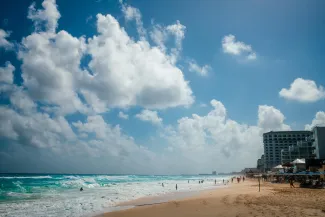
Cancún makes sense when the goal is uncomplicated: arrive, settle into a resort, and decide whether tomorrow needs an excursion. Four to six nights allows beach time without turning every day into a transfer.
Things to do in Cancun
Visit Playa Delfines for a broad stretch of coastline, observing swimming flags rather than judging conditions by the water’s color. The Museo Maya de Cancún, around kilometer 16.5 on Boulevard Kukulcán, pairs well with the adjoining San Miguelito archaeological site. Published foreign-visitor admission is MXN 210 for the combined visit; confirm the current tariff and archaeological-site last entry.
For an island day, take a ferry to Isla Mujeres. Playa Norte is there, not on the Cancún mainland. Check the return schedule before letting a long lunch become an accidental overnight.
Choosing your base
The Hotel Zone offers beach access and full-service resorts; downtown offers a city setting and potentially lower room costs. Around Mercado 23, look for Yucatecan dishes such as cochinita pibil rather than assuming every meal needs a sea view.
Compare Hyatt Ziva Cancun and The Westin Resort & Spa, Cancun by total cost, including meals and transfers. Our guide to why Mexico’s beach resorts can be surprisingly cheap adds context; all-inclusive doesn’t automatically mean better value.
Winter through spring is generally drier. Atlantic hurricane season runs June–November, and sargassum varies without guarantees.
Safety picture: Quintana Roo is “Exercise increased caution.” The advisory urges particular caution after dark in Cancún, including well-lit pedestrian streets and tourist zones. Prearrange a legitimate airport transfer; tourism infrastructure isn’t a safety guarantee.
4. Tulum: Best for Coastal Ruins, Cenotes, and Design-Led Stays
Tulum’s town, beach hotel zone, archaeological site, and airport are separate places. Understand that before booking three to four nights; a beautiful room isn’t necessarily near anything else you want to do.
Things to do in Tulum
Prioritize the coastal Maya ruins, a permitted cenote swim, and an unhurried beach afternoon. For the ruins, check INAH and Parque del Jaguar access arrangements before setting out. Park access, archaeological admission, transport, and other charges may have separate components; don’t budget around an unexplained single ticket figure.
At cenotes, ordinary swimming and cave diving are entirely different activities. Follow site rules, wear required flotation equipment, and leave cavern or cave diving to appropriately trained participants with qualified operators.
What changes the budget
Town generally makes restaurants and everyday purchases easier to manage. The beach zone offers atmosphere and proximity to the sand, but transport charges and beach-club minimum spending can substantially change the bill.
Compare a beach-oriented option such as La Zebra with a town-side option such as Aloft Tulum. Before paying, check current operations, recent guest feedback, access conditions, and refund terms.
The generally drier winter–spring period brings holiday premiums. Warmer, wetter months require more weather flexibility; Caribbean sargassum remains changeable. Compare flights into both Tulum and Cancún for your dates, adding the full ground-transfer cost rather than assuming the closer airport always wins.
Safety picture: Quintana Roo’s “Exercise increased caution” guidance includes extra caution after dark in Tulum. Use well-lit pedestrian areas and arrange nighttime transport; that atmospheric beach road isn’t automatically a sensible walking route.
5. Playa del Carmen: Best for a Walkable Riviera Maya Base
Playa del Carmen suits travelers who want restaurants, beach access, and excursions without a resort-only itinerary. Spend three to five nights here if you’d like more concentrated services than Tulum and easier Cozumel access than Cancún.
Beach days and island outings
Explore the central waterfront, then consider Playacar’s beaches using permitted public access routes. Beach width, surf, and seaweed vary by location and day; photographs from a different month aren’t a forecast.
A Cozumel day trip is straightforward in concept but needs realistic timing. The ferry gets you to the island, not directly onto a reef. Add onward transport, operator check-in, and return-ferry flexibility when booking snorkeling or diving. Rough seas can affect both activities and crossings.
Where to base yourself
Central accommodation puts dinner within walking distance, but nightlife corridors can be noisy. Explore dining streets beyond the busiest blocks of Quinta Avenida. Playacar offers a quieter resort alternative, with less spontaneous access to central restaurants.
Mahekal Beach Resort offers a central beach-area option. Fairmont Mayakoba is in a resort enclave outside central Playa; budget for transport rather than treating it as a walkable downtown stay.
Winter–spring is generally drier, with holiday crowds. For airport travel, compare transfers and ADO buses with Tren Maya by total journey time, including station access and waiting. A rail segment isn’t the complete trip.
Safety picture: Quintana Roo is “Exercise increased caution,” with specific after-dark caution for Playa del Carmen. Nightlife precautions are separate from beach and boating safety; check both before heading out.
6. Los Cabos: Best for Dramatic Coastlines and Resort Escapes
Los Cabos includes Cabo San Lucas, San José del Cabo, and the Tourist Corridor connecting them. Allow four to five nights. Cabo San Lucas centers on its marina and busy visitor scene; San José offers a different pace, while Corridor resorts can feel pleasantly removed from both.
What to do, and where not to swim
Take an El Arco boat trip, spend time around Médano Beach, and leave an afternoon for San José del Cabo’s streets and galleries. Boat outings range from simple sightseeing trips to longer cruises; confirm the departure point, return arrangements, and whether beach landings are actually included.
Many Los Cabos beaches are unsuitable for swimming. Do not swim at Divorce Beach. Even commonly swimmable beaches require attention to flags, surf, lifeguards, and local instructions. An oceanfront hotel does not necessarily have an ocean-swimming beach.
Choosing convenience or seclusion
Marina and Médano accommodation makes restaurants easier to reach. Consider Pueblo Bonito Rosé Resort & Spa for that part of town. Hilton Los Cabos represents the Corridor alternative; include airport transfers and restaurant trips in your budget.
Late autumn through spring generally brings comfortable conditions. November is early for whale watching; check the officially authorized local season before booking rather than relying on a promised sighting.
Safety picture: Baja California Sur, not neighboring Baja California, carries “Exercise increased caution” guidance because of terrorism and crime. Ocean hazards deserve separate attention regardless of the advisory level. Use established transport and excursion operators, and confirm arrangements before leaving your hotel.
7. Puerto Vallarta: Best for Beach Time With a Real City Around It
Puerto Vallarta combines a walkable historic core, restaurants, nightlife, and jungle-backed coastal excursions. Four to five nights gives you time to enjoy both the city and the bay without spending the whole visit organizing boats.
Explore town, then the coast
Walk the Malecón, explore Zona Romántica, and spend time at Los Muertos Beach. For a different coastal setting, arrange transport to Boca de Tomatlán and a water taxi to Yelapa or Quimixto.
Confirm the return arrangement before boarding. Weather and sea conditions can change access, and the final boat isn’t a detail to discover after ordering another drink.
Mix street-food exploration with regional dishes and one waterfront dinner. Beachfront seating can be lovely; it doesn’t automatically make the food better or the bill more reasonable.
Where and when to stay
Zona Romántica is practical for walking, though central nightlife can mean nighttime noise. Playa Los Arcos Hotel Beach Resort & Spa places you in that area. The Hotel Zone and Marina Vallarta favor resort facilities; consider Marriott Puerto Vallarta Resort & Spa for the marina setting.
Late autumn through spring is generally drier. Thanksgiving and winter holidays can increase demand. Whale arrivals don’t establish legal commercial tour dates; check the authorized Banderas Bay season.
Safety picture: Jalisco is “Reconsider travel” because of terrorism, crime, and kidnapping. Puerto Vallarta has no specific U.S. government-employee travel restriction; that exception doesn’t erase the state advisory. Northern-bay stays and excursions may enter Nayarit, whose separate guidance also matters.
8. San Miguel de Allende: Best for Art, Architecture, and a Romantic Weekend
San Miguel de Allende is best approached slowly. Give it two to three nights for galleries, courtyards, rooftops, and wandering rather than building an exhausting checklist around every attractive doorway.
Art and architecture
Start at El Jardín beneath the pink neo-Gothic façade of the Parroquia de San Miguel Arcángel. Visit Fábrica La Aurora for galleries and design spaces, then leave time to browse without an appointment with the next attraction.
Santuario de Atotonilco makes a worthwhile optional outing beyond town; arrange reliable transport and confirm visitor access. Back in San Miguel, choose one rooftop meal for the setting and another focused on regional cooking. A view is a perfectly valid reason to book, provided you know that’s what you’re paying for.
Practicalities that matter
Rosewood San Miguel de Allende and Hotel Matilda are options to compare. Check the actual walk to El Jardín, nighttime noise, stairs, and vehicle access. Cobblestones and steep streets can make a short distance feel considerably longer.
November–April is generally dry, with chilly evenings and busy weekends. Compare Bajío and Querétaro airport arrivals using the full ground transfer, and arrange transport before landing. This isn’t the place to improvise an ambitious nighttime self-drive after a delayed flight.
Safety picture: San Miguel is in Guanajuato state. Check its current advisory and your exact approach road. Employee restrictions include Federal Highway 45D and areas south of it, including Celaya, Salamanca, and Irapuato. The city’s popularity doesn’t establish that every access route is appropriate.
9. Mérida: Best for Yucatán Culture and Inland Exploring
Mérida is inland, not a Caribbean beach destination. That distinction makes it easier to appreciate what it does exceptionally well: Yucatecan cooking, historic streets, regional museums, and access to archaeological sites. Allow three to four nights.
Food, history, and a manageable itinerary
Explore the historic center early, visit a regional museum, and save time for Mercado Lucas de Gálvez. Look for cochinita pibil, sopa de lima, and panuchos; regional food is a central reason to come, not merely fuel between sights.
Choose Uxmal as one major archaeological outing. Chichén Itzá and cenotes are other itinerary choices, not compulsory additions to the same overloaded day. Progreso is a separate Gulf-coast excursion; arrange a road transfer and check journey time from your actual hotel.
Choose shade over bravado
Centro offers convenient sightseeing. The Paseo de Montejo area provides another appealing base, including Rosas & Xocolate Boutique Hotel + Spa. Also compare Fiesta Americana Mérida. Air-conditioning, shade, and a pool are useful selection criteria here, not frivolous extras.
November–February generally feels more comfortable than the intense spring heat. Plan walking for earlier hours and allow a midday break.
Mérida-Teya railway station is outside the historic center. Compare current Tren Maya and ADO departures with station transfers included; the convenient option depends on the complete journey.
Safety picture: Yucatán carries “Exercise normal precautions” guidance, with no specific employee travel restrictions. That makes Mérida a comparatively lower-advisory choice in this selection, not proof that it is Mexico’s safest city or that ordinary theft precautions are unnecessary.
10. Guanajuato: Best for Colorful Streets and Performing Arts
Guanajuato city, within Guanajuato state, rewards a two-night stay. Its steep lanes and tightly packed buildings make wandering the main event; this is a place where the route between attractions often competes with the attractions themselves.
A compact cultural itinerary
Begin around Jardín de la Unión and Teatro Juárez, then visit Museo Casa Diego Rivera. Leave time for the Pípila viewpoint, choosing access that suits your mobility and checking return arrangements if you stay into the evening.
The underground road network is a distinctive transport feature, not an invitation to wander vehicle tunnels on foot. Stick to appropriate pedestrian routes and ask your accommodation about unfamiliar shortcuts.
Pause at a plaza café and seek out enchiladas mineras for a regional meal. The best itinerary here has room for sitting still; not every colorful street needs to become a timed photographic assignment.
Sleeping and arriving
For a short visit, central accommodation reduces complicated transfers. Compare Hotel Boutique 1850 and Edelmira Hotel Boutique, asking about stairs, noise, and the precise vehicle drop-off point before arrival.
Generally dry highland months bring cool evenings. If performing arts are the draw, check the Festival Internacional Cervantino calendar for your travel year rather than assuming festival programming runs throughout the season. Use reliable transport for longer or nighttime journeys.
Safety picture: Check Guanajuato state’s current advisory and connecting-road restrictions. The employee restriction affecting Highway 45D and areas south of it matters when planning transfers. Don’t transfer assumptions about San Miguel de Allende to Guanajuato city; each route needs its own assessment.
Planning Your Mexico Trip: Safety, Seasons, and the Right Route
What is the safest part of Mexico to vacation?
Start with states carrying the lowest current advisory level, while remembering that advisory levels aren’t city crime rankings. Yucatán’s “Exercise normal precautions” guidance makes Mérida a sensible lower-advisory starting point. Check Campeche’s current entry too before comparing alternatives. No vacation destination is risk-free.
Restrictions on U.S. government employees are employment rules, distinct from recommendations for other travelers. They still provide important information about roads and regions; the State Department advises U.S. citizens to follow those restrictions. Recheck the official advisory before booking and departure.
What is worth visiting in Mexico?
Choose Mexico City plus Oaxaca for food and culture; one Riviera Maya base for beaches and Maya sites; or Cabo versus Puerto Vallarta for contrasting Pacific vacations. Cabo emphasizes dramatic scenery and resort escapes. Vallarta offers more city life around the beach.
Still undecided? Try Which Mexican Escape Matches Your Travel Style? before opening another dozen hotel tabs.
When should you go, and how much should you combine?
Drier winter months often work well, but highland evenings can be cold and coastal destinations remain warmer. Winter holidays bring premiums. Atlantic hurricane season runs June–November; Caribbean sargassum is variable. Good weather doesn’t establish authorized wildlife-tour dates.
For a week, favor one region or two realistically connected bases. Mexico City plus Oaxaca works with a suitable flight or a properly budgeted overland travel day. San Miguel plus Guanajuato requires checking route advice. Mérida plus one Caribbean base deserves a dedicated transfer day. For Tren Maya, compare current departures, station transfers, and total cost, not headline rail times.
Before you pay
- Check entry and passport requirements for your nationality.
- Read travel-insurance exclusions and advisory-related conditions.
- Confirm airport, transfer arrangements, hotel taxes, and cancellation terms.
- Carry pesos alongside cards; check acceptance for smaller purchases.
- Review recent hotel feedback and the room’s actual location.
Choose the destination first and the hotel second. A bargain room is only a bargain if it puts you in the Mexico you actually wanted to visit.
Explore more North America travel →
About the Author

Jeff Colhoun
Jeff Colhoun is a photographer and filmmaker whose work has appeared in The Wall Street Journal, the Los Angeles Times, Matador Network and Barron’s.