
Best Places to Visit in Portugal: A Complete 2026 Guide
Portugal can mean a warm custard tart beside a Lisbon tram stop, a glass of tawny port above the Douro, or a mountain path disappearing into Madeira’s clouds. The best places to visit in Portugal don’t belong on one frantic checklist. They belong on several very good trips.
That’s the useful starting point for this addition to our guide to the best places to visit in Europe. Portugal looks compact on a map, but vineyard lunches, steep city streets and Atlantic weather have a way of slowing things down. Usually, that’s part of the appeal.
Choose Lisbon for a first city break, Sintra for palaces, Porto for food and port, and the Douro Valley for vineyard stays. The Algarve delivers beaches and coastal walks. Madeira brings dramatic mountain scenery, while the Azores specialize in volcanic landscapes. Évora rewards history lovers; Óbidos makes an atmospheric medieval-town stop.
You can combine several mainland destinations without turning your vacation into a transport exercise. The islands need more thought. Madeira and the Azores require separate flights, suitable weather allowances and enough nights to justify the journey. Neither is a mainland day trip.
The sweet spot? Pick the experience you want most, then build around it. A city-and-wine itinerary needs different bookings, shoes and transport from a beach break. Your suitcase will appreciate the clarity.
Quick Facts
- Best Time to Visit: Spring and fall for mainland sightseeing; summer for beaches; winter for quieter cities and mild coastal escapes.
- Currency: Euro (€).
- Language: Portuguese; English is common in major visitor areas.
- Getting There: Lisbon, Porto and Faro serve mainland itineraries; Funchal and Ponta Delgada are useful island gateways.
1. Lisbon: The Best First Stop for Neighborhoods, Food and History
Give Lisbon three days. Baixa and Chiado are convenient first-visit bases, with restaurants, transit and major sights close together. “Close,” however, doesn’t always mean easy walking. Hills, polished cobblestones and stairs matter, especially with luggage or limited mobility.
Things to do in Lisbon
Start early around Castelo de São Jorge, then work downhill through Alfama. Pause at Miradouro de Santa Luzia for river views before continuing toward Baixa’s orderly streets. Save Chiado’s shops and cafés for the afternoon rather than repeatedly climbing across town.
Give Belém a separate half-day. Jerónimos Monastery, on Praça do Império, anchors the visit with its elaborately carved cloister. The listed standard admission is €18 as of November 4, 2026; check the official booking calendar for entry arrangements. Church access follows a different schedule.
Jerónimos and Belém Tower normally close Mondays, so don’t build a Monday itinerary around their interiors. Check the tower’s current access before buying admission; its waterfront exterior remains worth seeing. Continue along the Tagus to the Monument to the Discoveries.
Pastéis de Belém, at Rua de Belém 84–92, supplies the obvious pastry stop. Back in central Lisbon, Time Out Market Lisboa at Mercado da Ribeira is convenient when everyone wants something different. It’s not the cheapest meal in town, nor a secret neighborhood discovery. Sometimes convenience is the point.
Where to stay
Lisboa Pessoa Hotel, on Rua da Oliveira ao Carmo, puts you near Chiado and the Carmo area. Its location suits evenings on foot, though the surrounding slopes deserve consideration before booking an accessibility-sensitive stay.
2. Sintra: Palaces and Forest Walks Worth Planning Ahead For
Sintra deserves a full day from Lisbon, or an overnight if you want breathing room. Choose two major attractions. A palace marathon sounds efficient until you meet the hills, queues and winding roads.
Prioritize Pena Palace and its park, then choose Quinta da Regaleira for gardens and theatrical architecture or the National Palace of Sintra for a more centrally located second stop. Castelo dos Mouros is an alternative for travelers comfortable with exposed, uneven walking.
Your Pena reservation is for the palace entrance, not the park gate. Allow generous time for the uphill walk or internal transfer. The listed adult Park and National Palace ticket is €20 as of November 4, 2026; check the exact inclusions because transport options differ. The operator’s rule does not permit late palace entry, with no refund for missing the slot. Don’t count on a grace period.
CP urban trains connect Lisbon with Sintra; check your date’s timetable and service notices. From Sintra station, use the local sightseeing bus, a taxi or another authorized transfer. Driving into the congested historic core generally adds difficulty rather than freedom.
Build in a historic-center stop for travesseiros, the flaky almond-filled pastries, or queijadas. Fog can make the forest wonderfully atmospheric, but rain and steep paths can also change your plans. Wear shoes with grip and leave some flexibility between bookings.
3. Porto: Riverside Walks, Port Cellars and a Strong Food Scene
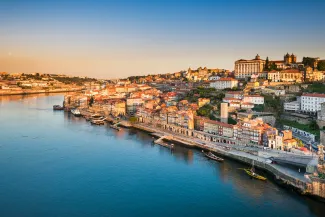
Allow two to three days for Porto. The historic city occupies one side of the Douro; the famous port lodges sit across the river in Vila Nova de Gaia. That distinction matters when choosing both tastings and hotels.
Things to do in Porto
Start around São Bento station and the cathedral, descend through historic streets to Ribeira, then cross the Dom Luís I Bridge toward Gaia. Its upper deck delivers sweeping views but carries light-rail services; stay alert rather than backing into a photograph.
One cellar visit is enough for a satisfying introduction. Taylor’s, on Rua do Choupelo, offers a smartphone-based audio visit followed by three ports. Its listed standard experience costs €25 as of November 4, 2026. Bring a charged phone and allow roughly an hour or more.
Graham’s or waterfront Cálem are alternatives. Reserve English-language guided tastings ahead, especially on weekends. Cellars also make useful rainy-day plans; just remember that port is fortified wine, not a gentle afternoon hydration strategy. Eat beforehand and don’t drive afterward.
A Six Bridges cruise is short urban sightseeing, not a vineyard excursion into the Douro Valley. Check the operator’s duration, departure point and winter schedule before booking.
Visit Mercado do Bolhão for food stalls, then try francesinha, Porto’s substantial meat-and-cheese sandwich under sauce. Brasão Aliados, on Rua de Ramalho Ortigão, is a practical restaurant candidate; check opening days and reserve. Regional menus also reward attention to cod, octopus and, for adventurous eaters, tripe.
The Yeatman suits a wine-focused stay with river views. It’s in Gaia, uphill from the waterfront, not central Porto; budget time and transport accordingly.
4. The Douro Valley: Vineyard Stays and a Slower Pace
The Douro deserves one or two nights if wine is a genuine interest rather than an itinerary checkbox. An organized day trip from Porto works, but an overnight leaves room for a regional lunch and an unhurried quinta visit.
Use Pinhão or Peso da Régua as your reference points. Terraced vineyards provide the scenery; advance-booked estate visits provide the context. Ask whether your appointment includes a vineyard walk, cellar tour, tasting or meal. Those aren’t interchangeable experiences.
Late-2026 rail travel needs extra planning. CP’s announced works suspend trains between Marco de Canaveses and Régua from November 3, 2026, through March 24, 2027, with replacement buses. Check the complete journey before committing to a timed tasting.
Even when trains run normally, rural estates often require a transfer from the station. A guided excursion simplifies logistics. A rental car adds flexibility, but narrow roads and wine tastings require a designated driver.
For November, investigate short cruises from Pinhão rather than assuming long sailings from Porto operate. Reduced schedules and weather cancellations are possible. Harvest generally happens earlier in the fall; grape picking requires a confirmed estate program, not wishful timing.
Quinta de la Rosa offers a working-estate setting near Pinhão. Six Senses Douro Valley takes the luxury-resort approach. Confirm winter restaurant, tasting and facility availability directly before choosing between them.
5. The Algarve: Choose the Right Base for Beaches and Coastal Walks
The Algarve is a region, not one resort town. Give it three to five days and choose a base that matches your priorities. Lagos combines cliff scenery with walkable town life. Tavira is quieter and historic, with island beaches beyond town. Carvoeiro suits coastal scenery; Albufeira offers a broader selection of resorts and nightlife.
For a western coastal outing, explore the Ponta da Piedade area near Lagos, using designated paths and respecting closures. In the east, the Ria Formosa lagoon landscape offers a different experience, with marshes, islands and birdlife. Check seasonal ferry and excursion schedules before making a beach-island plan.
Cliff edges can be unstable, even when the photograph looks irresistible. Stay behind barriers and don’t approach undercut edges. Sea-cave visits and boat trips depend on sea conditions and access rules; neither is guaranteed year-round.
November often suits outdoor lunches and coastal sightseeing better than swimming. Expect shorter days, possible rain and some seasonal closures. A low room price can also lose its shine once car hire, parking and restaurant availability enter the calculation.
Order grilled fish or cataplana, a seafood-rich preparation cooked in its distinctive hinged vessel. Rei das Praias at Praia dos Caneiros is a restaurant candidate for a coastal meal; confirm seasonal opening and reserve rather than arriving hungry on a closed afternoon.
A car helps for scattered beaches and villages. A town-based Lagos or Tavira stay can work without one if you accept taxis or organized outings. For apartment-style lodging around Carvoeiro, consider Nomad Bay Algarve; check the unit’s kitchen facilities and transport needs before booking.
6. Madeira: Mild Coastal Days and Dramatic Mountain Scenery
Allow four to six days for Madeira. Funchal is the easiest base for restaurants, sightseeing and organized hiking transfers. You don’t need to climb a mountain every morning to make the island worthwhile.
Combine Funchal’s old town and waterfront with a coastal excursion toward Câmara de Lobos, then choose one levada or mountain walk appropriate to your fitness and the weather. Levadas follow irrigation channels, but that doesn’t automatically make their paths easy; some involve exposure, tunnels and slippery surfaces.
Book trails carefully
Treat classified-trail access as a booking task in 2026. Consult IFCN’s current rules and SIMplifica for reservations, applicable fees, exemptions and booking windows. Check the requirements for your exact route and every member of your party rather than assuming one ticket covers the island.
A paid reservation does not guarantee an open trail. Check official live status before departure, particularly for major mountain routes such as PR1. Maintenance, fire recovery and weather can change access. Don’t follow an old itinerary past a closure barrier.
Ordinary buses don’t conveniently reach every trailhead. Budget for hiking transfers, a guided walk or a rental-car plan that accounts for a route finishing somewhere different from where it starts.
Madeira is a mild-weather winter escape, not guaranteed sunshine. Funchal’s south-coast conditions can bear little resemblance to cold, wet and windy mountain weather.
Back in town, try bolo do caco, regional fish dishes and Madeira wine. The Vine Hotel, on Rua dos Aranhas, is convenient for central Funchal restaurants and the waterfront. Confirm any rooftop or wellness facilities important to your stay before booking.
7. The Azores: Crater Lakes, Hot Springs and Flexible Adventure
Start with four to six days on São Miguel rather than rushing between islands. The Azores comprise nine islands; they’re not nine neighborhoods connected by a convenient subway.
Build your first visit around Sete Cidades, Lagoa do Fogo and Furnas. Keep the order flexible so clearer weather can determine your lake-viewpoint day. Whale-watching is another worthwhile option when conditions permit, but neither sailings nor wildlife encounters are guaranteed.
November can be wet, windy and cloudy. Leave buffers around important flight connections and avoid placing an essential excursion on your only available morning. Rental cars or guided outings make sightseeing easier; buses are less useful for linking dispersed viewpoints and trailheads.
Check current thermal-bathing access, trail conditions, attraction fees and local vehicle restrictions before setting out. Don’t assume that an outdoor attraction is free or unrestricted.
Ponta Delgada offers the most convenient general base for restaurants and services. Furnas suits a quieter thermal-retreat stay. Terra Nostra Garden Hotel is an appealing option there; confirm what garden and thermal-pool access your reservation includes, plus any maintenance restrictions.
Try cozido das Furnas, slowly cooked using geothermal heat, and the islands’ cheeses and other dairy products. Ask restaurants whether cozido requires advance ordering.
Save Pico and neighboring Faial for a future wine-and-volcano trip. Terceira offers another compelling direction, centered on historic Angra do Heroísmo. Each deserves more than a hurried flight connection.
8. Évora: Roman Remains and Alentejo Food
Évora works as a full day, but an overnight is better. Once excursion groups leave, the historic center becomes a calmer place for an evening walk and a proper Alentejo dinner.
Group the Roman Temple, cathedral, Praça do Giraldo and Chapel of Bones into one walkable route. The temple is viewed free from the public square. Cathedral sections and the Chapel of Bones have separate admission arrangements; check current tickets and hours.
Cromeleque dos Almendres, outside town, is an optional excursion if access and road conditions permit. Arrange suitable transport rather than assuming it’s a simple extension of your city walk.
Spring and fall suit exploring on foot. Summer afternoons can be intensely hot, making an early start and a long lunch sensible rather than indulgent.
Look for açorda, regional pork dishes and Alentejo wines. Fialho, at Travessa das Mascarenhas 16, is a longstanding restaurant candidate; confirm its current opening days and reserve. M’AR De AR Aqueduto, near the aqueduct, is worth considering for an overnight base with access to the historic center.
9. Óbidos: A Medieval Town Best Enjoyed Beyond the Main Street
Give Óbidos a half-day stop or stay overnight for quieter streets after day-trippers leave. Rua Direita provides the introduction, but the side lanes, churches and little corners away from shops are the reward.
See the castle exterior and try ginjinha in a chocolate cup if you’d like; the cherry liqueur contains alcohol. The castle complex includes a pousada, not a conventional ticketed castle museum.
Wall walks have narrow, uneven and unguarded sections. Travelers with vertigo, young children or limited mobility are better served by the lanes below, although those also have cobblestones and slopes.
Check current Lisbon coach departures and return services before choosing a car-free visit. Drivers should use designated parking outside the walls rather than expecting access through the historic lanes.
Pousada Castelo de Óbidos is the distinctive overnight option. Ask about room access, stairs and luggage assistance before committing; a castle stay and step-free convenience aren’t necessarily the same thing.
Plan Your Portugal Trip: Seasons, Transport, Costs and Booking Priorities
Best Time to Visit
Spring and fall offer the most comfortable mainland sightseeing conditions, though rain remains possible. Summer suits beach-focused travel, with higher demand, hotter inland afternoons and busier coastal towns.
Winter brings quieter city visits, wine tastings and mild coastal escapes. It also brings shorter daylight, rain and reduced excursion schedules. Madeira’s microclimates demand separate coast-and-mountain planning; the Azores require flexibility throughout the year, especially in the wetter months.
Getting There and Around
Use Lisbon or Porto for city-and-wine itineraries, Faro for the Algarve, Funchal for Madeira and Ponta Delgada for São Miguel. Compare the full journey rather than just the airfare, including ground transfers and any separate island tickets.
Lisbon–Porto is generally rail-friendly. Check CP’s journey planner for your date’s duration, seat availability and engineering notices rather than relying on a generic travel time. For late-2026 Douro journeys, account for the replacement-bus arrangements described above.
Avoid renting a car for central Lisbon or Porto stays. Parking, restricted streets and traffic usually outweigh the benefit. Collect one when leaving for rural areas. Ask the rental company how electronic tolls are charged, what administration fees apply and whether your accommodation provides parking. Winery days need a designated driver or hired transport.
Costs and Practical Tips
Portugal can offer good value, but “cheap Europe” is too broad a promise. Lisbon, Porto, summer Algarve stays and popular island periods can command substantial prices. Compare complete totals, including local tourist taxes, breakfast, parking, baggage and cancellation terms. November accommodation bargains aren’t a guide to August pricing.
Book the experiences that shape your route first: Pena Palace, Jerónimos, selected wine tastings, Madeira trail reservations and lodging with limited availability. The admission figures in this guide are dated November 4, 2026; confirm the price and conditions displayed when purchasing.
Pack grippy footwear and rain layers. Plan shade and water breaks in summer, and take coastal warnings and trail closures seriously. Check accessibility directly with attractions and hotels; “central” or “historic” says little about stairs, bathroom access or nearby gradients.
Consider travel insurance covering medical needs, disruption and your intended activities. Hiking coverage can vary, and separate flight bookings may leave missed connections unprotected.
For U.S. visitors, check current Portuguese and EU entry guidance before departure. Short tourist stays generally fall under the Schengen limit of 90 days in any 180-day period. Passports generally must have been issued within the previous 10 years and remain valid for at least three months beyond departure from the Schengen area. Check whether ETIAS authorization or other entry procedures apply on your travel dates; implementation rules can change.
Choose a Route, Not All Nine Destinations
For a seven-night first trip, split your stay between Lisbon and Porto. Visit Sintra from Lisbon and consider a Douro day trip from Porto. If that starts to feel like too many departure times, drop an excursion. Neither city needs an apology for keeping you longer.
With ten to twelve nights, add either the Algarve or an Évora-and-Óbidos road-trip component. Don’t add both simply because the map makes them look manageable. Check driving distances and decide where you want leisurely evenings before filling every day.
Madeira or São Miguel works beautifully as a focused island break. Either can join a longer mainland itinerary, provided you allow enough nights and sensible flight buffers.
The decision comes first: cities, wine country, beaches or island landscapes? Once you know that, book the transport and timed experiences that hold the trip together. Leave the remaining space for a long lunch, an unexpected viewpoint and another pastry.
About the Author

Dana Lockwood
Dana Lockwood is a Travel Writer at Jetsetter Guide covering budget solo travel from her base in Denver, Colorado.