Stay current with our travel tips coverage.
Tourists Slam Paris for Filth, Foul Smells and Rats
PARIS — Paris, long cherished as the City of Light and inspiration for poets through the centuries, is facing mounting criticism from visitors for issues that belie its postcard-perfect image. Upscale, experience-driven travelers have increasingly taken to social media to voice their dismay about the dirt, odors and vermin that have become more noticeable across France’s beloved capital in the past several years.
Travelers Share Paris’ Gritty Reality
Images and videos drawing attention to the filth in Paris have proliferated online. One widely shared clip displayed excrement on sidewalks among heaps of discarded trash. The post read: “The architecture, the history, the magic? It’s real. But I’d be lying if I didn’t say it also smells kinda funky, and the streets can be really dirty.”
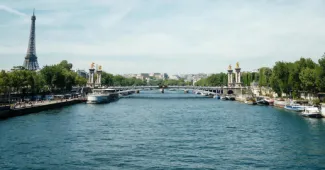
Another visitor recorded her journey across the Pont du Carrousel in central Paris, writing in the caption, “I don’t know if it’s just us wondering, but why does Paris stink like pee everywhere?” Meanwhile, a separate video highlighted a pile of trash and rats darting near the eastern entrance of the iconic Palais Garnier opera house, alongside scenes of people experiencing homelessness sleeping out in the open.
Travelers’ concerns range from public urination to mounds of garbage, with users describing a disconnect between Paris’ curated social media presence and daily reality. As one influencer, @olga_stern, wrote, “Social medias show a perfect Paris with clean streets, beautiful monuments and sunny cafés. But let’s be honest… the real Paris has its less glamorous side too.”
The Roots of Paris’ Public Cleanliness Crisis
These grievances are not without explanation. Sociologists and city experts cite deeply rooted social attitudes, an aging waste management infrastructure and labor unrest as contributing factors.
Nicolas Fieulaine, a social psychology professor at the University of Lyon, emphasized that public urination, particularly among men, is perceived differently in France than elsewhere. Speaking to the BBC, Fieulaine said, “In the French imagination, and I’m not sure it’s the case anywhere else, public urination is an option that seems available.” He added that the origins of this attitude can be traced to early 19th-century public health reforms in Paris, which, while improving health outcomes, also made public urination a kind of taboo. This paradoxically rendered the act more attractive for some, with Fieulaine remarking, “It conveys a sense of freedom, which excludes women. It’s a powerful form of appropriation. Urinating somewhere is about marking one’s territory.” He was careful to note, however, that he does not believe this behavior reflects poorly on individuals’ moral character.
Overflowing Waste and Strained Services
The scale of the city’s waste problem is staggering. The Greater Paris area is home to about 7 million residents, and the city welcomes around 17.4 million visitors annually. Together, they leave behind an estimated 3.3 million tons of waste each year, according to city officials and independent estimates.
Complicating matters is the city’s outdated infrastructure. Jean Dupont, a Paris-based waste management specialist, told the What Is Green Living blog, “The infrastructure hasn’t evolved in tandem with the city’s growing population and increasing consumption patterns. This mismatch creates bottlenecks, especially during peak tourist seasons.”
Compounding the problem is France’s low recycling rate in comparison with other European Union countries. EU statistics reveal the average member state recycles 47% of its waste, while France manages only 28%. Paris fares slightly better at the household level, with a 2021 study indicating that roughly 60% of residents consistently sort their garbage. However, confusion over proper sorting persists, leading to recyclable items being sent to the landfill or left in overflowing street bins.
Labor Unrest Exacerbates Filth
Paris has also contended with waves of strikes by municipal waste collectors, a source of much of the city’s most unsightly litter. In the spring of 2023, protests against the government’s pension reforms culminated in a three-week walkout by refuse workers that saw more than 10,000 metric tons of trash accumulate on the streets, peaking in March. Images of waist-high rubbish mounds spilled across news sites worldwide, exacerbating travelers’ concerns.
There has been apprehension about the possibility of renewed sanitation strikes coinciding with major events such as the Olympic Games. Last year, the CGT union branch representing Parisian refuse workers threatened action from May through September, encompassing the Olympic period from July 26 to August 11. Collectors demanded an additional 400 euros (approximately $430) per month and a one-time 1,900-euro bonus (about $2,050) for those on duty during the Games.
Takeaways for Upscale, Experience-Driven Travelers
While Paris remains a cultural and culinary beacon, with no shortage of memorable experiences awaiting its visitors, the city’s issues with cleanliness and public order do pose concerns—especially for discerning globetrotters seeking comfort, beauty and immersive luxury.
For those arriving for milestone events or considering a Parisian getaway, experts recommend a heightened awareness of local conditions and the potential for sanitation strikes or visible street disorder, especially during periods of labor action. Personal safety and comfort—particularly in busy tourist corridors—can largely be maintained with thoughtful itinerary planning and by choosing accommodations known for their high standards of maintenance.
For the many who insist, as one visitor summarized, that despite the “messy, chaotic, imperfect” side of Paris, its enchantment remains untouchable, these challenges are simply a reminder that the City of Light is, at heart, a vibrant and unpredictable metropolis navigating the complexities of modern urban life.
As the world turns its eyes toward Paris for events like the Olympics, city officials and industry leaders face mounting pressure to reconcile its storied romance with the realities of urban administration—hoping that the City of Light can sparkle once more in the eyes of travelers everywhere.
More travel news
Europe's 193 Million Face Deadly Heat Emergency
PARIS, France — A historic heatwave grips 193 million Europeans with record temperatures in Denmark and Germany as The Economist warns of catastrophic mortality rates.

Europe Grinds to Halt With Nearly 2000 Flights Delayed
BERLIN, Germany - Budget travelers face widespread disruptions as France, Norway, Switzerland delay 1,927 flights and cancel 70 more, hitting Eurowings, KLM, and Ryanair.
Three French Palace Hotels Stripped of Elite Status
PARIS, France - Park Hyatt Paris-Vendome, Mandarin Oriental Paris, and Hotel du Palais in Biarritz lost their elite Palace designation, the first withdrawals since the label began in 2010.
Luxury Watches Make Travelers Targets for Knife Attacks
LONDON, England — Wearing a high-end timepiece in major tourist destinations now carries significant risk of violent robbery, as organized crime groups treat luxury watches as portable cash.
About the Author

Bob Vidra
Bob Vidra, based in scenic Tahoe, is an esteemed tech editor known for his deep understanding of the dynamic intersection of technology, travel, and the outdoors.