Stay current with our travel tips coverage.
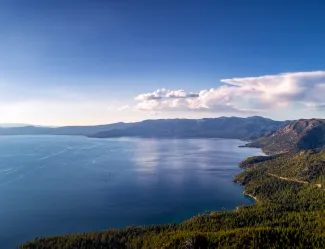
Few places in the United States pack year‑round punch like Lake Tahoe. Straddling the California–Nevada line at 6,225 feet, the nation’s second‑deepest lake draws skiers, sun‑seekers, leaf‑peepers and weekend warriors in equal measure. Below, a data‑driven look at why the alpine jewel belongs on every traveler’s calendar—no matter the month.
Summer: 72 Miles of Shoreline and 250+ Days of Sun
Bluebird reliability. Long‑term NOAA climate normals collected at the South Lake Tahoe Airport report roughly 249 clear‑sky days each year, well above the U.S. average of 205.
Swimmable water. Lake‑surface temperatures measured by the Tahoe Environmental Research Center (TERC) peak near 70 °F in July and August, making mid‑summer dips not only possible but pleasant.
Clarity you can see. TERC’s 2024 clarity report logged an average Secchi‑disk depth of 62.3 feet, still clearer than most major U.S. lakes despite recent wildfire‑related turbidity.
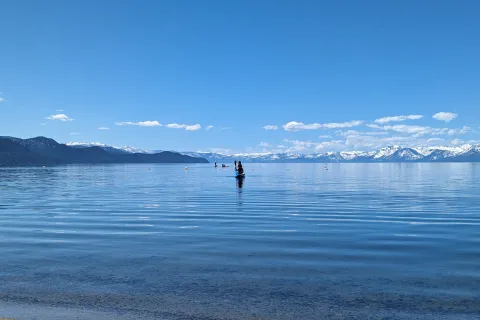
Boating, stand‑up paddle‑boarding, sailing regattas and 30 public beaches mean the lake itself is the star from Memorial Day to Labor Day.
Winter: The Continent’s Densest Cluster of Ski Resorts
15 downhill resorts ring the basin—more than any other 100‑mile radius in North America, according to the National Ski Areas Association.
Legendary powder. Western Regional Climate Center records show most Tahoe resorts receive 250–300 inches of snowfall each season; peaks like Sierra‑at‑Tahoe can surpass 400 inches in big winters.
Sunshine + snow. High‑pressure systems between storms routinely yield “bluebird” days that let you ski in a T‑shirt.
From Palisades Tahoe’s Olympic heritage to Heavenly’s lake‑view cruisers, winter sports span every ability and budget.
Spring & Fall: Shoulder‑Season Gold
Spring snowmelt fuels roaring waterfalls in Emerald Bay and Desolation Wilderness, while May wildflower blooms carpet meadows beneath granite peaks. Come October, thousands of quaking aspens set the eastern shoreline ablaze in gold—crowd‑free trails and lower hotel rates sweeten the pot.
At‑a‑Glance Numbers Travelers Should Know
| Metric | Figure | Source |
|---|---|---|
| Annual recreation visits / visitor‑days | About 15 million | Tahoe Regional Planning Agency |
| Average spend per visitor trip (FY 2024) | $223 | Nevada Commission on Tourism |
| Leisure‑and‑hospitality jobs supported | 153,000 | California & Nevada labor departments |
| Drivable shoreline | 72 miles | California Department of Transportation |
| Maximum lake depth | 1,645 ft (2nd deepest in U.S.) | U.S. Geological Survey |
Insider Tips
Book winter lodging early. Epic Pass access at Heavenly and Northstar means peak‑season beds disappear months ahead.
Respect the altitude. At over 6,000 feet, hydrate and ease into exertion—especially on marquee hikes like Mount Tallac (9,735 ft).
Leave no trace. The Keep Tahoe Blue initiative asks visitors to pack out trash and skip single‑use plastics to protect water clarity.
Ride, don’t drive. TART (Tahoe Truckee Area Regional Transit) shuttles are free in summer and winter; the 72‑mile Scenic Byway can gridlock on weekends.
Frequently Asked Questions
Does Tahoe really get “300 days of sun”?
Marketing brochures often round up, but NOAA data put it closer to 249 clear‑sky days—still about 20 percent sunnier than the national average.
Is the water warm enough to swim without a wetsuit?
Yes—but mainly in July and August, when near‑surface temps hover between 65 °F and 70 °F. The rest of the year the lake remains hypothermia‑cold.
How crowded does it get?
Tahoe Regional Planning Agency counters show some summer weekends topping 100,000 visitors basin‑wide. Arrive mid‑week or during shoulder seasons for easier parking and dining reservations.
More travel news
Lake Tahoe Announces It Will Be Doing Tides Effective Immediately
If you've ever returned to your boat launch at Lake Tahoe only to find your trailer wheels sitting in mud that was underwater three hours earlier, you're not al...

Lake Tahoe's Priciest Guesthouse Redefines Luxury
TRUCKEE, California — A new members-only concept merges private home comfort with five-star service, offering full-time staff and exclusive access near Lake Tahoe's ski resorts.

Historic Livestream Dive Will Plumb Lake Tahoe’s Depths and Legends @9:30am Sept 5
Historic Livestream Dive Will Plumb Lake Tahoe’s Depths and LegendsSOUTH LAKE TAHOE, Calif. — Lake Tahoe is about to give up some of its deepest secrets. For th...
E. Coli Contamination Closes Popular South Lake Tahoe Swimming Area
SOUTH LAKE TAHOE, Calif. – A popular stretch of Lake Tahoe’s South Shore has been temporarily flagged for high levels of E. coli bacteria, prompting offici...

About the Author

Jeff Colhoun
Jeff Colhoun is a photographer and filmmaker whose work has appeared in The Wall Street Journal, the Los Angeles Times, Matador Network and Barron’s.