Stay current with our travel advisories coverage.
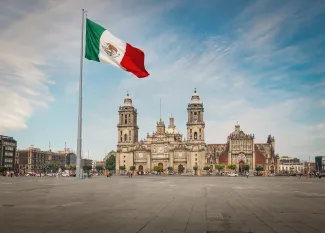
MEXICO CITY, Mexico — Marches in the streets, shattered storefront windows and a pointed chant of “Fuera Gringo!” have thrust Mexico City into the growing global conversation about overtourism. Demonstrations that flared throughout the summer underscore a widening rift between residents who feel squeezed by escalating rents and the millions of international visitors drawn to the capital’s leafy neighborhoods, vibrant dining scene and digital-nomad vibe.
What’s fueling the backlash?
In the past decade, the number of foreign arrivals to Mexico rose from 35 million to 45 million a year, according to government tourism data. Nowhere is that influx more visible than in the capital’s Roma and Condesa districts, where cafés filled with laptops sit next to art-deco apartment blocks. Local housing advocates estimate that about 1 in 5 properties in Condesa is listed as an Airbnb, vacation rental or other short-term accommodation—shrinking the pool of long-term apartments for local families and pushing up monthly leases. A similar pattern has unfolded along the Caribbean coast. Cancun, purpose-built as a resort town in the 1970s, has posted a 300 percent rise in tourist arrivals over the last ten years and is on track to welcome nearly 10 million visitors in 2024. Tulum, once a sleepy outpost known for yoga retreats and white-sand beaches, now draws roughly 2 million travelers each year.
From placards to property damage
Tensions boiled over during a series of marches this summer, culminating in an August rally where some protesters shattered café windows and spray-painted “Fuera Gringo!”—“foreigners out”—across facades. “Fuera Gringo!” demonstrators chanted at an August rally. City officials reported no serious injuries, but the images ricocheted across social media and travel forums, prompting would-be visitors to ask whether Mexico City remains welcoming.
The grievances on the ground
• Housing costs: Renters say monthly rates in desirable colonias have doubled or tripled within a decade. • Wages vs. prices: Average local salaries have not kept pace with restaurant price hikes geared toward foreign currency. • Cultural dilution: Long-time residents worry that English-only menus and pop-up chain stores are eroding the capital’s distinctive character.
How it could affect your trip
For now, the protests have been sporadic and largely confined to weekend afternoons near Parque México and Parque España. Police cordons rerouted traffic during at least two marches, and some cafés closed early as a precaution. Travelers staying in Roma, Condesa, Juárez or Centro Histórico should build in extra transit time and keep an eye on local news channels that announce planned demonstrations. Beach destinations such as Cancun and Tulum have not seen the same scale of rallies, in part because resort zones are physically separated from residential areas. Still, hoteliers there are monitoring the mood. Visitors may notice new signage urging respect for wildlife corridors, noise ordinances and beach-access etiquette—measures designed to show locals that tourism revenue can coexist with community interests.
Government and industry response
Mexico City’s council is studying proposals that would limit the number of nights a property can be rented on short-term platforms and require hosts to register with the city. The tourism ministry is also considering a levy on vacation rentals, mirroring rules already in place in Barcelona and Amsterdam. Major platforms, meanwhile, have begun outreach campaigns. Airbnb introduced a Spanish-language portal that guides hosts on neighborhood relations and now highlights listings outside saturated districts to disperse visitor traffic.
Tips for travelers
- Book responsibly: If you choose a short-term rental, look for hosts who display a city permit number and clear community guidelines.
- Spend locally: Favor mercados, family-run eateries and independent artisans to ensure tourism pesos flow back to residents.
- Learn basic Spanish phrases: Even short cordial exchanges signal respect and reduce the perception of cultural encroachment.
- Keep a low profile during protests: If you encounter a march, move to the edge of the crowd and avoid filming heated interactions.
- Stay updated: Follow Mexico City’s official tourism account on X (formerly Twitter) and enable push notifications from your airline or hotel.
Frequently asked questions
Is it still safe to visit Mexico City?
Yes, but exercise standard urban precautions. The demonstrations have been localized and non-lethal. Monitor local advisories and avoid scheduled protest routes.
Will new regulations affect my booking?
Potential caps on short-term rentals are under debate, not yet enacted. Existing reservations remain valid, though hosts may soon need to display permit information more prominently.
Are Cancun and Tulum at risk of similar unrest?
Locals there share concerns about rising costs, but tourism zones are more isolated from residential areas. While activism exists, large-scale marches have not materialized.
Could tourist taxes rise?
A supplemental levy on short-term stays is being discussed. Any fee would likely be built into nightly rates—watch for updated totals before confirming a reservation.
Bottom line for jetsetters
Mexico continues to rank among the world’s most visited countries, and its capital remains a cultural powerhouse. Yet the very popularity that draws travelers is straining everyday life for residents. Thoughtful planning—choosing registered accommodations, patronizing local businesses and staying informed about civic events—can help ensure your trip enriches both visitor and host alike. — as protesters chanted during an August rally.
More travel news
United Flight Attendants Can Refuse ICE Questions
Washington, United States - United flight attendants were told they may remain silent when ICE asks about passengers or coworkers as airport arrests increase nationwide.
Airlines Put Elite Status on a Higher Price Tag
NEW YORK, United States - Delta, United and other major airlines are raising elite status hurdles, leaving frequent flyers on discounted fares with less credit.
Carnival Rewards Sets Sail With Spending Based Status
Carnival Rewards ties cruise status to eligible spending while keeping separate recognition for lifetime sailing days.
9 National Parks Where Fall Colors Steal the Show
MOUNT DESERT ISLAND, Maine - Nine national parks are drawing autumn travelers with vivid foliage, scenic drives and trails that are generally quieter than in summer.
About the Author

Mariana Torres
Mariana Torres is South America Editor at Jetsetter Guide, covering backpacking and off-the-beaten-path travel in the Andes and the Amazon.