Stay current with our hotel news coverage.
The Geography of Payment Access
The impact reveals itself through shifting travel patterns. Amsterdam experienced a 12% drop in visits from India and Brazil in 2024, a decline significant enough to prompt the city to establish cash-friendly zones in tourist districts. Scandinavia has seen an even sharper response: 28% of families from cash-based countries now actively avoid the region due to the cashless shift, according to recent tourism research. The numbers tell a story of selection and exclusion. Among international travelers from cash-heavy nations, 25% carry only physical currency, citing payment barriers as their top frustration when visiting digitally advanced destinations. For these visitors, the simple act of purchasing a meal or museum ticket becomes a negotiation fraught with uncertainty. Sweden itself has witnessed an 18% tourism decline from Middle Eastern and Latin American markets, regions where cash remains the predominant transaction method. The irony is stark: destinations investing heavily in tourism infrastructure may be inadvertently narrowing their visitor base through payment policies alone.Economic Consequences Beyond Convenience
The economic reverberations extend beyond disappointed travelers. Small tourism operators, the backbone of authentic local experiences in many destinations, face existential pressure. An estimated 15 to 20% of European Union small businesses now reject cash, but this shift carries costs: approximately $50 billion in annual losses for small tourism operators who lack the resources, technical infrastructure, or transaction fee tolerance to fully embrace digital systems. The United Nations World Tourism Organization has issued a pointed warning: destinations that ignore cash users risk losing 10 to 15% of tourism revenue by 2030. This projection reflects not only the direct spending power of cash-reliant travelers but also the ripple effects through local economies when entire demographic segments bypass a destination.Generational and Cultural Divides
The cashless transition illuminates fundamental divides in travel behavior. Among global tourists under 35, 40% regularly use mobile payment platforms. Among those over 55, 60% continue to prefer cash, a preference rooted in habit, security concerns, or simple technological access. Families traveling with multiple generations face particular challenges when navigating destinations that assume universal digital literacy and banking access. "Digital payments are becoming the invisible backbone of a truly connected trip," said Daniel Marovitz, fintech vice president at Booking.com, according to industry reports. Yet this invisible infrastructure renders certain travelers visible through their exclusion, a paradox that destinations are beginning to recognize.Policy Reversals and Adaptive Solutions
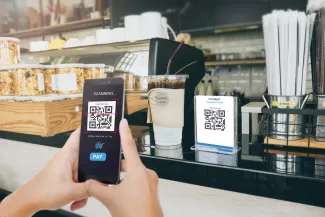
The backlash has prompted meaningful responses. The European Union has instituted mandates requiring cash acceptance in designated tourist areas, acknowledging that innovation should not preclude accessibility. These policy reversals represent a recalibration of priorities, placing tourism revenue and inclusivity alongside technological advancement. Meanwhile, Asian destinations are charting a different path. Japan plans to integrate QR code systems compatible with Indian mobile payment applications like PhonePe by 2026, according to the Japan 2026 Travel Payments report. This approach represents genuine adaptation, meeting travelers where they are rather than requiring wholesale adoption of local systems. "This move is a game-changer for Indian tourists, eliminating currency exchange fees and cash risks," the Japan 2026 Travel Payments report noted. China has implemented similar integrations, recognizing that technology can bridge payment gaps rather than widen them.Practical Implications for Travelers
For families planning luxury vacations or multi-generational trips, payment infrastructure now deserves the same research attention as hotel amenities or itinerary planning. Questions to investigate include whether destinations offer hybrid payment options, whether small vendors and markets accept various forms of payment, and whether tourist-specific financial tools like prepaid cards or digital wallets function reliably. The cashless shift also affects spontaneity and flexibility, qualities many travelers value highly. The ability to make impromptu purchases from street vendors, tip service staff directly, or navigate payment system failures requires cash reserves that some destinations no longer accommodate easily.Balancing Innovation With Inclusion
The challenge facing global tourism is not whether to embrace digital payments, which offer legitimate benefits in security, tracking, and efficiency. Rather, it is whether destinations can innovate without creating new forms of inequality. The current trajectory suggests that convenience, while valuable, cannot be the sole consideration when payment policies shape who can meaningfully participate in tourism economies. As the industry moves toward 2030, the destinations that thrive will likely be those that recognize payment access as a fundamental component of hospitality rather than a mere technical detail. For travelers, destination selection increasingly requires evaluating not just what a place offers, but whether its infrastructure genuinely welcomes them.More travel news
Sweden Spain Launch Truecaller eSIM for Roaming Relief
STOCKHOLM, Sweden - Sweden and Spain jointly push Truecaller's new travel eSIM across 29 countries, aiming to end the roaming-fee headache that drains budgets the moment travelers land.

Global Airlines Enter Crisis Mode as Jet Fuel Soars
LONDON, England - Airlines across three continents face severe jet fuel shortages with European prices doubling in weeks, forcing carriers into emergency protocols and raising questions about flight cancellations.
Sweden Invites Tourists to Discover the Joy of Boredom
Stockholm, Sweden invites travelers to slow down, savor fika and bask in Nordic silence as Visit Sweden promotes the surprising benefits of boredom.

Strikes, jet crunch snarl European summer flights
Europe’s aviation hubs face strikes, aircraft shortages and congested skies—what travelers need to know before booking summer flights.
About the Author

Jennifer Wilmington
Jennifer Wilmington is a distinctive voice in the world of family and luxury travel, offering unique perspectives derived from her diverse background and experiences.