Stay current with our hotel news coverage.
The Insider Perspective on Italy's Most Iconic Coastline
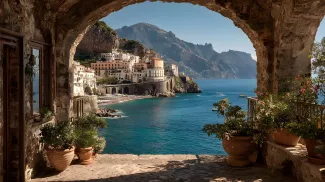
AMALFI COAST, Italy — There's a difference between visiting the Amalfi Coast and actually understanding it. For someone who traded vacation memories for permanent residency 17 years ago, that distinction has become crystal clear with each passing summer season. Like the roughly 5 million travelers who visit each year, according to Travel, this longtime resident initially arrived as a tourist, captivated by the dramatic cliffs, pastel villages, and impossibly blue waters that define Italy's most photographed stretch of Mediterranean coastline. The difference is that love turned into a life, and that life has provided a front-row seat to the patterns, mistakes, and missed opportunities that define most tourist experiences here. The observation is both simple and significant: visitors keep making the same errors, season after season, despite the wealth of information available. These aren't minor inconveniences. They're the kind of missteps that transform what should be a dream Italian escape into a logistical headache punctuated by crowds, overspending, and frustration.When Experience Meets Repetition
Seventeen years of residency offers a particular kind of clarity. It's long enough to witness the evolution of tourism patterns, the seasonal rhythms that dictate when the coast becomes unmanageable versus quietly spectacular, and the behavioral patterns that separate travelers who extract maximum value from those who fight against the region's natural flow. The resident's perspective isn't about gatekeeping or discouraging visits to one of Europe's most celebrated destinations. Rather, it's rooted in the belief that every trip to the Amalfi Coast should be just as beautiful as the coastline itself, a philosophy that requires strategic thinking rather than simply showing up and hoping for the best.The Stakes of Poor Planning
The Amalfi Coast isn't forgiving to spontaneity in the way that, say, a sprawling capital city might be. This is a region defined by narrow roads carved into cliffsides, limited parking, seasonal ferry schedules, and villages that weren't designed for mass tourism but somehow accommodate it anyway. Get the timing wrong, skip crucial research, or follow outdated advice, and you'll spend more time sitting in traffic on the SS163 coastal road than actually experiencing the places you traveled thousands of miles to see. What makes these mistakes particularly frustrating from a resident's viewpoint is their preventability. They aren't the result of bad luck or unpredictable circumstances. They stem from a handful of assumptions, planning shortcuts, and misconceptions that could be corrected with better preparation and local insight.Luxury Travel Meets Strategic Thinking
For the urban traveler accustomed to hacking premium experiences in major cities, the Amalfi Coast presents a different challenge. This isn't about finding a design-forward boutique hotel at a discount or timing museum visits to avoid crowds. The luxury here is environmental, sensory, experiential. It's in the quality of light at sunset over Positano, the taste of lemon granita in Ravello, the efficiency of a hydrofoil cutting across the bay while cars inch along above. But accessing that luxury requires a different kind of strategic thinking. It means understanding when to splurge on a water taxi versus when to master the local bus system. It means knowing which villages justify overnight stays versus day trips, and which supposedly essential experiences are tourist traps dressed up in Instagram filters.The Value of Local Knowledge
The resident's seven-mistake framework represents the distillation of nearly two decades of observation. It's not about telling travelers what to see; guidebooks handle that competently enough. It's about illuminating the operational errors, timing failures, and strategic miscalculations that consistently undermine visitor experiences regardless of budget or travel style. These insights matter particularly now, as the Amalfi Coast continues to grapple with overtourism while maintaining its appeal as a bucket-list destination. The 5 million annual visitors create pressure on infrastructure, accommodations, and the delicate balance between authentic local life and tourism-dependent economy. Smarter travelers who avoid common pitfalls don't just improve their own experiences; they reduce strain on a fragile system.Beyond the Postcard
What the resident perspective ultimately offers is permission to think beyond the postcard version of the Amalfi Coast. The clifftop views will always be there, but the quality of your access to them, the context you bring to your visit, and the efficiency with which you navigate the region's peculiarities will determine whether you leave with genuine appreciation or just expensive photos and mild resentment about crowds. The seven mistakes represent a roadmap in reverse, a way to approach one of Italy's most celebrated regions with the kind of informed intentionality that transforms good trips into exceptional ones. For travelers willing to learn from someone who chose to stay, the payoff is a version of the Amalfi Coast that lives up to its reputation rather than merely surviving it.More travel news
Italy rain forecast: Yellow alerts cover parts of six regions
Two fronts are forecast to bring repeated rain across Italy, while Oct. 7 yellow alerts apply to designated areas in Abruzzo, Campania, Lazio, Liguria, Molise and Tuscany.
Italy Travel Advisory Update Keeps Level 2 Rating
The State Department revised its Sept. 10 summary without raising Italy’s Level 2 rating, advising Americans visiting the country to stay alert to terrorism and opportunistic theft.
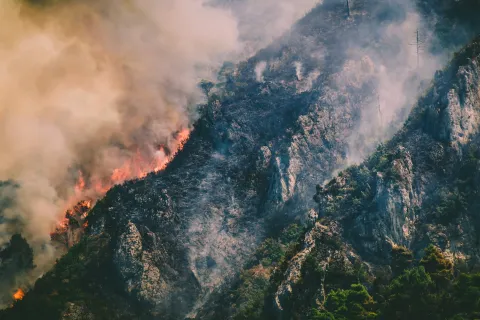
Amalfi Coast wildfire prompts evacuations, road closure
Some restaurants and tourist facilities were evacuated as a precaution, and a state road was closed for firefighting; no injuries or home damage were reported.
Italy and Spain Extend Reciprocal Border Checks
Passengers arriving in Italy from Spain may face random airport and seaport checks for 15 more days, while those entering Spain from Italy face checks through Oct. 8.

About the Author

James Anthony
James Anthony is a Travel Writer at Jetsetter Guide covering European city breaks and luxury travel on a budget.