Stay current with our airline news coverage.
When Physics Trumps Your Boarding Pass
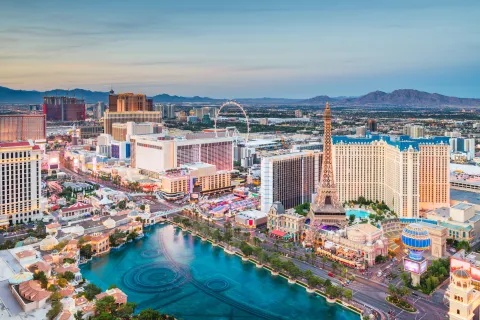
LAS VEGAS, Nevada - If you're flying out of Harry Reid International this weekend and the gate agent starts offering $2,500 for volunteers to take a later flight, you're not witnessing an overbooking scandal. You're watching thermodynamics in action. Airlines serving Las Vegas are bracing for potential mass delays, cancellations, and passenger removals as temperatures are forecast to hit around 115 degrees over the weekend. The heat isn't just uncomfortable; it fundamentally changes how aircraft perform during takeoff, forcing carriers into uncomfortable choices about who and what gets left behind on the tarmac. Last weekend offered a preview of what's to come. Thousands of travelers faced delays as airlines scrambled to lighten departure loads, with some crews asking dozens of passengers to voluntarily deplane before takeoff. Published reports documented airlines offering as much as $2,500 per passenger to take a later flight, compensation levels that signal just how tight the operational margins become when the desert turns into a convection oven.
The Weight Problem Nobody Warned You About
The issue is simple physics wrapped in aviation bureaucracy. Hot air is less dense than cool air, which means wings generate less lift and engines produce less thrust. To compensate, aircraft need more runway to reach takeoff speed and must weigh less to get airborne safely. In a city like Las Vegas, sitting at roughly 2,000 feet elevation in a natural heat trap, the problem compounds quickly. "When temperatures are especially high, we, like other airlines, may need to reduce the weight of an aircraft to ensure it can operate safely," an airline said in a statement about Las Vegas operations, according to Reuters. That weight reduction comes from three places: cargo, fuel, or people. Cargo goes first, then fuel loads get trimmed (sometimes requiring an extra fuel stop en route), and if temperatures are extreme enough, human beings become the variable. Recent weekends have already seen more than 450 flight delays at Harry Reid International, with one Friday alone recording 284 delays affecting roughly one-third of scheduled departures. "During times of extreme heat, the air is less dense and generates less lift," FAA spokeswoman Crystal Essiaw said, explaining why flights were being delayed at Las Vegas' main airport. And if temperatures climb past a manufacturer's certified operating limit, the plane doesn't fly at all. Period. Phoenix learned this the hard way during a previous heat wave when temperatures approached 119 degrees; American Airlines canceled more than 40 regional flights because smaller jets simply couldn't handle the heat.
What 120 Degrees Does to Your Flight Home
This weekend's forecast sits within a broader Southwest heat emergency, with some areas potentially hitting 120 degrees. The broader central and southern U.S. is under excessive heat warnings, with heat indices above 105 degrees across wide swaths of the country. For travelers, this translates into chaos that's difficult to predict or plan around. Studies cited by Las Vegas officials suggest that as temperatures increase, roughly 10 to 30 percent of fully loaded flights during the hottest parts of the day may need to reduce weight to depart safely. That's not a fringe scenario; that's a structural problem baked into scheduling practices designed for a cooler climate. "As temperatures get that extreme, you have to offload so much fuel or passengers or cargo that it no longer makes sense to fly," said industry analyst and former airline executive Robert Mann, describing heat-related payload limits. The timing matters enormously. Afternoon departures, when tarmac temperatures peak, face the worst restrictions. Early-morning and late-evening flights operate closer to normal because cooler air is denser, but good luck finding availability on those narrow windows when half the airport's schedule is trying to squeeze through them.
Who Gets Bumped and Who Decides
The passenger-removal process starts with volunteers, airlines offering escalating compensation until enough people agree to take later flights. The $2,500 reports from last weekend suggest carriers were desperate; standard bump compensation rarely climbs that high. But if volunteers don't materialize and the aircraft is still over weight, airlines can involuntarily deny boarding, a scenario governed by federal compensation rules but emotionally and logistically nightmarish for travelers already past security with plans waiting on the other end. There's no transparency around who gets chosen for involuntary bumping, and the criteria (check-in time, fare class, frequent flier status) vary by carrier. If you're connecting through Las Vegas on a tight schedule or flying home after a bachelor party with no flexibility, you're gambling with physics.
The Tactical Reality for Nomads and Budget Fliers
For the backpacker or digital nomad community that treats Las Vegas as a transit hub rather than a destination, this heat chaos creates specific pressure points. Budget carriers flying older or smaller aircraft tend to hit weight restrictions faster, meaning your cheap Spirit or Frontier ticket out of Vegas carries higher operational risk during heat waves. If you're traveling with checked bags, those get offloaded before passengers, but if you're carry-on only (as most long-term travelers are), you're not immune; the plane still needs to shed weight, and bodies count. Booking morning departures, ideally before 10 a.m., is the single best hedge. Temperatures at dawn can be 20 to 30 degrees cooler than afternoon peaks, giving aircraft much more performance margin. But those early slots book fast, especially once word spreads about heat delays, and budget airlines don't always offer robust early-morning schedules out of Vegas. If you do get bumped, know your rights. Involuntary denied boarding triggers federal compensation (up to $1,550 depending on delay length and ticket price), but only if the airline actually denies you a seat. If they cancel the flight outright, claiming weather or operational necessity, compensation rules don't apply. That's the gray area airlines exploit during heat events; canceling a heat-restricted flight looks like a weather call, even when it's really a capacity management decision. Current pricing shows roundtrip New York to Las Vegas running around $472 for late-August and early-September travel, according to current Google Flights data, with carriers like American, Delta, and JetBlue operating the route. If you're booking now for summer Vegas trips, factor heat-delay risk into your connection buffers and consider trip-interruption insurance that covers missed events or lodging if you're stuck an extra day. The infrastructure isn't adapting as fast as the climate is warming. Aircraft performance charts were certified decades ago; runway lengths are fixed; and airline scheduling software still assumes historical temperature ranges that no longer apply. Until fleets, schedules, and airport infrastructure catch up to the new normal of 115-degree weekends in the desert, travelers are the ones absorbing the operational slack, one $2,500 bump offer at a time.
More travel news
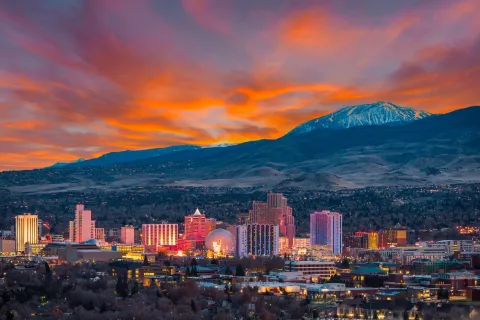
Reno Airport Maps a More Accessible Journey
RENO, Nev. - Airport official Jena Esposito outlined accessibility resources at Reno-Tahoe International Airport and plans to include accessibility in new concourses.
AI Hotel Mirage Masks Poorly Rated Vegas Stay
Las Vegas, United States - A Booking.com listing for Palette Las Vegas allegedly used altered images to direct guests to OYO Hotel and Casino Las Vegas.
Delta Flight Faces Rogue Wi-Fi Scare After DEF CON
LAS VEGAS, United States - Delta Flight 591 lost passenger Wi-Fi for about 30 minutes after an unauthorized network appeared aboard the post-DEF CON flight to Atlanta.
Flight Attendant Reveals Free First Class Upgrade Secrets
Global - After years of speculation and social media advice, a veteran flight attendant sets the record straight on what actually secures free upgrades and what never will.
About the Author

Mariana Torres
Mariana Torres is South America Editor at Jetsetter Guide, covering backpacking and off-the-beaten-path travel in the Andes and the Amazon.