Stay current with our airline news coverage.
TEL AVIV, Israel — Building Through the Bombardments
Israel is pushing ahead with significant tourism infrastructure investments even as war continues to ravage the region and international visitor arrivals remain near historic lows. The country is advancing new resort and hotel developments at a time when flights are reduced, security threats persist, and most travel advisories continue to recommend against non-essential travel. It's a counterintuitive strategy that raises questions about timing, economic reasoning, and whether these projects represent confidence or desperation. From a field perspective, this isn't just about construction schedules. It's about how nations experiencing protracted conflict approach the future of their tourism sectors and what that signals to the international travel market.The Reality on the Ground
Israel's tourism sector has experienced a near-total collapse since the outbreak of the current war. Hotel occupancy rates have plummeted, international carriers have suspended or dramatically reduced service, and entire tourism-dependent communities have seen their economic foundations evaporate. Tour operators who once ran consistent itineraries through Jerusalem, Tel Aviv, and the Dead Sea have pivoted to other regions or shut down entirely. Against this backdrop, the decision to continue or initiate new resort and hotel construction appears disconnected from present reality. But the strategy reflects a longer view, one shaped by economic modeling that anticipates future recovery and seeks to position Israel competitively when stability returns. This isn't unprecedented. Other conflict-affected destinations have pursued similar approaches, banking on the eventual return of visitors and the competitive advantage of new infrastructure when rivals have stalled development. The question is whether the timing proves prescient or premature.Economic Reasoning Behind Wartime Construction
Israel's approach rests on several economic assumptions. First, that the current conflict will eventually resolve or stabilize to a degree that allows tourism to return. Second, that new hotel and resort inventory will be necessary to accommodate pent-up demand once travel resumes. Third, that construction costs and labor availability during a downturn may offer financial advantages compared to building during peak periods. There's also a strategic positioning element. If neighboring or competing destinations delay infrastructure investments due to regional instability, Israel could emerge with newer, more attractive properties that capture market share during the recovery phase. Tourism is a fiercely competitive industry, and infrastructure quality matters when travelers return. From a practical standpoint, these projects also provide employment and economic activity during a period when other sectors are contracting. Construction jobs, supply chain activity, and the broader economic multiplier effects offer some buffer against the broader downturn.Geopolitical Context and Risk Assessment
The geopolitical reality complicates the calculus. Israel's tourism sector has historically been volatile, subject to periodic conflict cycles that disrupt arrivals and force operators to rebuild markets repeatedly. Each cycle tests the resilience of the industry and the willingness of investors to commit capital to long-term projects. Current travel advisories from major source markets continue to recommend against travel to Israel or limit guidance to specific regions deemed safer. Airlines remain cautious about resuming full service, and insurance costs for operators working in the region have increased substantially. These are not conditions that typically encourage aggressive tourism development. Yet Israel's government appears committed to maintaining momentum on these projects, viewing them as essential to post-conflict recovery rather than optional luxuries. The messaging suggests confidence that international travel will return and that infrastructure readiness will determine how quickly the sector rebounds.What This Means for Travelers and OperatorsThe Long Game
Israel's decision to advance tourism development during active conflict reflects a bet on future recovery and a strategic commitment to maintaining competitive positioning in a volatile market. Whether that bet pays off depends on factors largely outside the tourism sector's control: the trajectory of the conflict, the speed of diplomatic normalization, the willingness of international travelers to return, and the broader geopolitical environment. From a field perspective, this approach is neither reckless nor guaranteed. It's a calculated risk shaped by economic modeling, political will, and the historical pattern of tourism recovery following conflict. Other destinations have pursued similar strategies with mixed results. What's clear is that Israel is not waiting for peace to prepare for the return of tourism. The construction continues, the resorts advance, and the infrastructure investments proceed despite the uncertainty. That signals confidence, strategic intent, or both. Time will reveal whether the timing proves sound or whether these projects become expensive monuments to miscalculation. For now, travelers should watch advisories, operators should track developments, and the industry should recognize that Israel's tourism sector is positioning itself for a post-conflict future, even as the present remains defined by war.More travel news
United Resumes Twice-Daily Newark–Tel Aviv Flights
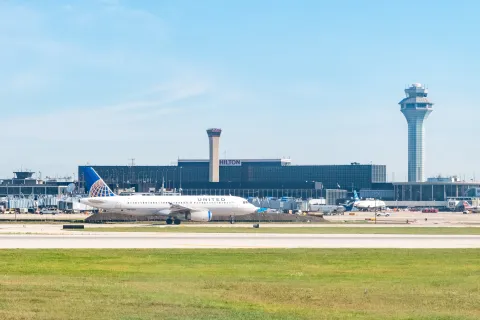
United’s Newark–Tel Aviv route is operating twice daily, and Delta’s JFK service has returned; United plans Chicago and Washington flights from October.

Iberia Pushes Israel Flights to October Amid Safety Fears
Madrid, Spain - Spanish carrier Iberia extends its Israel suspension through October 24, mirroring British Airways' timeline, while budget operators begin testing the water with gradual service resumptions.
Airlines Ground Israel Routes Until Fall
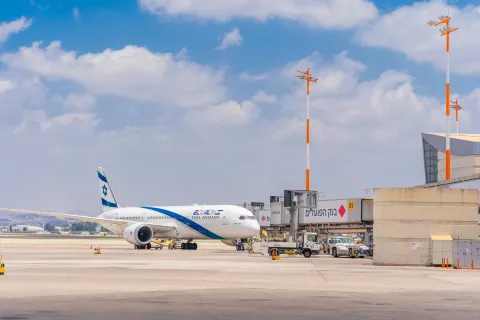
TEL AVIV, Israel - Major international airlines push Israel flight suspensions into late summer, with United and Air Canada halting service through Sept. 7 amid ongoing regional security concerns.
DHS Shutdown Sparks Domestic Terror Concerns
WASHINGTON — A partial Department of Homeland Security shutdown enters its third week as the U.S.-Israel conflict with Iran intensifies, raising fears of retaliatory attacks on American soil.

About the Author

Andy Wang
As our Asia Editor and a first-generation American, Andy Wang brings a unique dual perspective to Jetsetter Guide.