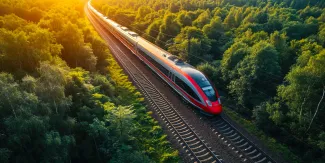
Full Passenger Rights for End-to-End Journeys
A core element of the proposal is the guarantee of full passenger rights protection for the entire journey when travelers purchase a single combined ticket. Under the draft regulation, passengers would enjoy assistance, rerouting, reimbursement, and compensation for missed connections, even when multiple rail operators are involved. The Commission summarized the goal with the slogan "one journey, one ticket, full rights," signaling a shift away from the current patchwork of rules that often leave travelers uncertain about their protections when journeys span borders or operators. Rail companies would be required to share ticketing and timetable data with booking platforms under the proposal, although detailed percentages or data-sharing thresholds have not been specified in public summaries. The Commission estimates that easier single-ticket booking and better transparency could increase rail travel by up to 5 percent.Years Away From Reality
The proposal is not an operational system but a draft regulation that must still be negotiated and approved by the European Parliament and the Council under the ordinary legislative procedure. That process typically takes around one to two years, meaning any binding single-ticket obligations, if adopted, are unlikely to be in force before the late 2020s. Ursula von der Leyen, President of the European Commission, outlined the vision in her political guidelines for 2024 to 2029: "We will propose a Single Digital Booking and Ticketing Regulation, to ensure that Europeans can buy one single ticket on one single platform and get passengers' rights for their whole trip." The Passenger Rights Regulation (EU) 2021/782, which clarified rules around through tickets, began applying in most respects from June 7, 2023, laying some groundwork for the current proposal. Interrail and Eurail passes already cover rail travel in 33 European countries, but they are not part of the new EU legislative proposal and operate under a separate framework.Commercial Resistance and Technical Hurdles
Rail operators and some national authorities have expressed concern that mandatory data sharing and visibility rules could undermine commercial freedom, complicate existing ticketing systems, and impose costly IT overhauls, especially for smaller companies. Critics, including some railway experts and passenger groups, argue that implementation could be hampered by technical complexity, commercial resistance from incumbent operators, and the risk of overly rigid rules. Passenger and rail-user groups welcome the principle of "one journey, one ticket" but warn that the proposal may not go far enough, fearing loopholes, patchy implementation, and the risk that operators might still avoid offering true through tickets on key international routes.Should You Rethink Your Next Rail Trip?
For travelers planning European rail journeys in the next year or two, the practical reality is unchanged. The legislative proposal, while promising, does not alter the booking experience today. Cross-border journeys still require piecing together tickets from multiple operators, navigating fare rules, and accepting the risk of unclear protections when connections fail. The Commission's vision is compelling; easier booking and unified rights could genuinely shift behavior, especially for travelers who currently default to budget airlines for multi-city trips. The estimated 5 percent increase in rail travel may sound modest, but it reflects millions of additional journeys and a meaningful dent in short-haul flight emissions. Yet the gap between vision and execution is wide. Technical integration is formidable; rail operators use incompatible booking systems, pricing structures, and seat reservation protocols. Mandating data sharing is one thing; building platforms that can actually deliver a seamless experience across 27 member states and beyond is another. For now, travelers should continue to use existing workarounds: rail passes for flexible multi-country trips, third-party platforms like Trainline or Omio that aggregate some (but not all) operators, and manual ticket purchases directly from national rail companies for guaranteed seat reservations. The real test will come in two to three years, when the regulations, if passed, begin to impose binding obligations on operators and platforms. If the EU can navigate the commercial pushback and technical complexity, the result could be transformative, not just for convenience but for the broader modal shift Europe needs to meet its climate targets. Until then, the single-ticket dream remains a legislative work in progress, not a booking reality.More travel news
Uber Boats Transform European Island Travel
EUROPEAN COAST - Uber expands its mobility platform to coastal waters, bringing app-based boat booking to island destinations across Europe.

Europe Braces for Mid-June Transport Strike Chaos
ROME, Italy - Transport unions across Italy plan strikes in mid-June hitting airports, national rail, and city transit, joining a wave of European industrial action that threatens to disrupt peak-season travel across the continent.

Luxury Watches Make Travelers Targets for Knife Attacks
LONDON, England — Wearing a high-end timepiece in major tourist destinations now carries significant risk of violent robbery, as organized crime groups treat luxury watches as portable cash.

Viking Debuts Europe's First All-Electric River Cruise Coach
Vienna, Austria – Viking becomes the first European river cruise line to operate a 100% electric motor coach, launching a 49-passenger vehicle in Vienna with expansion plans across the continent.
About the Author

James Anthony
James Anthony specializes in redefining luxury for the next generation.