OTTAWA, Canada — Two Major Advisories Target Popular Winter Destinations
The Government of Canada issued stark travel warnings this month for two of the hemisphere's busiest tourism corridors, marking a significant escalation in how Ottawa is communicating risk to the nearly half-million Canadians who visit Brazil and Cuba each year. The advisories, updated through Global Affairs Canada (GAC), address fundamentally different threats: a sharp rise in predatory drink spiking targeting tourists in Brazil's urban centers, and a broader security collapse across Cuba driven by violent crime, infrastructure failure, and economic instability. For travelers already booked or considering trips to either destination, these aren't bureaucratic updates. They reflect documented patterns that have killed tourists, left others hospitalized, and fundamentally altered the risk profile of what were once considered manageable destinations for independent and package travelers alike.Brazil: Drink Spiking Epidemic Targets Tourist Zones
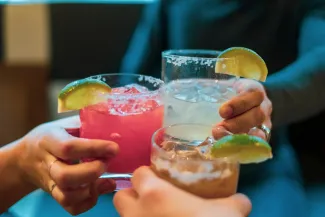
Canada's January 15, 2026, urgent alert for Brazil followed 12 reported cases involving Canadian nationals in the final quarter of 2025 alone. By January 26, 2026, GAC elevated Brazil's overall advisory to "Exercise a high degree of caution," citing violent crime, civil unrest, and what the advisory explicitly identifies as a worsening drink spiking crisis concentrated in Rio de Janeiro and São Paulo. "Spiked food and drink incidents are increasing in Brazil, particularly in Rio de Janeiro," the Government of Canada Travel Advisory states plainly. The warning extends beyond drinks left unattended at bars; incidents now include food tampering, beverages purchased directly from vendors, and scenarios where victims maintained visual contact with their drinks throughout the evening. The scale is measurable. Brazilian Federal Police reported over 1,200 drink spiking cases in 2024, a 25% increase from 2023. Rio de Janeiro's tourist police logged 350 incidents during the 2025 Carnival period alone. The methodology is consistent: victims are drugged, incapacitated, and robbed of phones, wallets, cards, and in some cases, assaulted. Substances involved range from benzodiazepines to scopolamine, with effects that can render someone unconscious within 15 to 20 minutes. A separate threat compounds the risk. "People have died in Brazil after drinking methanol-adulterated alcohol," according to the Government of Canada Travel Advisory. This isn't limited to bottom-shelf liquor at dive bars; counterfeit bottles have appeared in legitimate-looking packaging at resorts, beachside kiosks, and even some licensed establishments. Methanol poisoning causes blindness, organ failure, and death, often before victims realize they've been poisoned. Rio launched Operation Safe Night in December 2025, deploying undercover officers in nightlife districts and partnering with bars to use tamper-evident cup covers. Early results show an 18% reduction in reported incidents through early 2026, but the operation covers only a fraction of the city's tourism zones, and enforcement remains inconsistent outside Carnival periods.Cuba: Systemic Collapse Drives Crime Surge
Cuba's advisory carries a blunter directive: "Avoid non-essential travel" nationwide. This classification, in place since October 2024 and reinforced December 20, 2025, following a tourist murder in Havana, reflects conditions that go beyond isolated crime incidents. Violent crime in Cuba rose 35% in 2025, with more than 1,500 reported robberies involving tourists. That's not opportunistic bag-snatching; it includes armed assaults, home invasions of rental properties, and violent confrontations targeting foreigners in areas previously considered low-risk, including Varadero and the Malecón. The deterioration correlates directly with Cuba's accelerating economic crisis. Prolonged blackouts, now routine across the island, eliminate street lighting and disable security systems, creating conditions where crime thrives. Shortages of fuel, food, and medicine have pushed unemployment higher and driven many Cubans into informal economies where desperation trumps risk calculus. Tourism to Cuba dropped 22% year-over-year in 2025, but that decline hasn't reduced targeting of the tourists who remain; if anything, scarcity has intensified it. Canada closed its consular agency in Varadero in January 2026 due to staffing shortages, leaving Canadian travelers in one of Cuba's most visited resort zones without direct consular support. Emergency services across the island are unreliable; ambulance response times exceed two hours in many areas, and hospitals lack basic supplies. Dengue cases have spiked, and pharmacies often can't fill prescriptions for common medications. VisaHQ, commenting on the Canadian advisory, noted that "most trips remain trouble-free but urge travellers to avoid displaying valuables." That's true in the statistical sense; the majority of visitors won't be victimized. But the margin for error has narrowed significantly, and the infrastructure to respond when things go wrong has largely evaporated.Impact on Canadian Travel Patterns
The advisories are already reshaping bookings. Canadian travel to both destinations, which totaled more than 450,000 visitors in 2025, has seen a 15% drop in first-quarter 2026 bookings. Airlines are adjusting capacity accordingly, and tour operators are offering penalty-free cancellations or rebooking options for Cuba packages. Brazil's tourism authorities have pushed back, citing USD 7.3 billion in tourism revenue in 2025 and emphasizing Carnival security measures. But the numbers don't lie. Rio's tourist police documented 350 drink spiking incidents during Carnival 2025, and there's no indication 2026 will be different beyond the limited reach of Operation Safe Night. For travelers with non-refundable bookings or those determined to proceed, the guidance is clear: travel in groups, avoid isolated areas after dark, never leave drinks or food unattended, purchase alcohol only from verified sources, and carry minimal valuables. In Cuba, that extends to avoiding nighttime movement entirely in many areas, securing accommodations with backup power, and preparing for limited consular assistance. These aren't destinations where you can rely on infrastructure to catch you if something goes wrong. That reality, more than the advisories themselves, is what travelers need to understand before they board the plane.More travel news
Air Canada Slashes 13 Global Routes Through Fall 2026
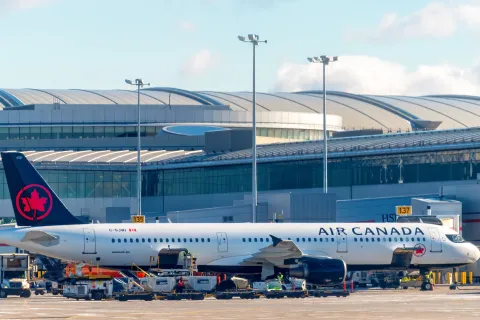
TORONTO, Canada - Air Canada suspends 13 international routes across Europe, Asia-Pacific, and Latin America despite maintaining dominant position with 274 daily international departures.
Canadian Tourist Killed in Teotihuacan Pyramid Attack
TEOTIHUACAN, Mexico - A lone gunman killed a Canadian tourist and wounded at least five others at one of Mexico's most visited archaeological sites before taking his own life.

Tourists Bypass America Despite Worldwide Travel Surge
WASHINGTON, D.C. - The United States is losing ground in global tourism as visitors skip American destinations for faster-growing markets in Asia-Pacific and Europe, despite the strongest worldwide travel boom in years.
Airlines Ban Charging Power Banks on All Flights
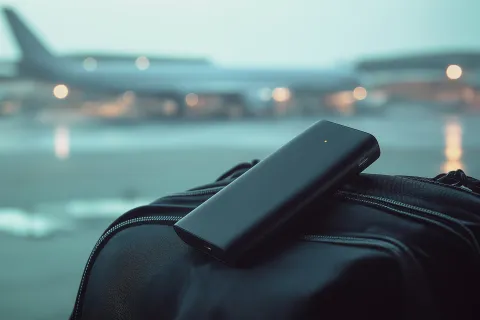
Montreal, Canada - ICAO implements first coordinated global standard on portable batteries, restricting international passengers to two power banks and banning inflight charging.
About the Author

Dana Lockwood
Dana Lockwood is a rising journalist who specializes in budget-friendly solo travel.