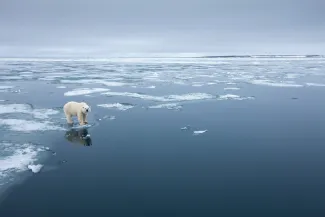
Spring Timing and Arctic Wildlife Access
The May and June departure window targets the transition period when Svalbard still holds winter ice but daylight stretches toward 24-hour sun. This combination drives wildlife activity. Polar bears hunt along the receding ice edge. Walrus gather at haul-outs. Arctic foxes, still in winter coats, patrol shorelines. Seabird colonies explode with activity as species return to cliffs and fjord walls. The timing also allows access to areas that become impassable or wildlife-sensitive later in summer. Northwest Svalbard National Park, Kongsfjorden, and the research outpost at Ny-Ålesund anchor the planned route, though exact stops depend on real-time conditions. Passengers may reach Nordaustlandet or the Sjuøyane islands, located roughly 1,000 kilometers north of mainland Norway's Nordkapp, positioning them among the most northern landings possible in the archipelago, according to Cruise Industry News.Vessel and Expedition Model
The Ocean Albatros, an ice-class ship designed for polar operations, supports Zodiac landings, guided hikes, and wildlife observation in environments where larger vessels cannot operate. The ship's size and ice rating allow access to glacier-fed fjords, pack ice zones, and remote coastlines without the infrastructure or guest volume that defines mainstream Arctic cruising. Adventure Canada's model prioritizes ground-level adaptability over predetermined schedules. Cedar Swan, CEO of Adventure Canada, framed the approach plainly: "Svalbard demands humility. It's a place where ice, wildlife, and weather are always in motion, and responsible travel means listening first and adapting constantly," according to Cruise Industry News. That operating philosophy extends to expedition leadership. Teams include polar guides, wildlife specialists, and naturalists who adjust daily plans based on ice reconnaissance, bear activity, and weather forecasts transmitted from Longyearbyen and regional monitoring stations.Pricing and Market Context
At $7,895, Adventure Canada's entry price positions these departures competitively within the spring Svalbard market. Comparable eight-day Arctic expeditions from other operators targeting similar itineraries and wildlife windows often exceed $8,000 to $9,000 per person, though exact comparisons depend on vessel class, inclusions, and departure timing. The pricing reflects double occupancy and covers charter flights between Oslo and Longyearbyen, shipboard accommodations, guided excursions, and meals. Upper-tier cabins push rates toward $17,895, standard for polar expedition pricing when factoring in ice-class vessels and small-ship operational costs.Responsible Arctic Operations
Svalbard sits at the front line of Arctic tourism growth and climate impact. Sea ice extent continues to decline. Polar bear populations shift with prey availability. Permafrost thaw destabilizes coastal zones. These realities demand operational restraint. Adventure Canada's statement emphasized that approach. "This expedition reflects how we believe travel should happen in the High Arctic: thoughtfully-paced, deeply informed, and grounded in respect for both the environment and the people working together to understand and protect it," Swan said, according to Cruise Industry News. That translates into specific practices: no landings in protected seabird zones during nesting season, maintaining distance protocols around marine mammals, limiting group sizes on shore, and deferring to wildlife presence over passenger expectations. Guides carry firearms as polar bear deterrents but prioritize avoidance and retreat over confrontation.Historical and Scientific Sites
The route includes Ny-Ålesund, the northernmost permanent research settlement in the world. The site, once a coal mining town, now hosts international Arctic science stations studying glaciology, atmospheric conditions, and marine ecosystems. Visitors walk among research facilities and monuments to early polar explorers who used Ny-Ålesund as a launch point for North Pole attempts. Kongsfjorden, a glacier-carved fjord near Ny-Ålesund, offers landings near massive tidewater glaciers that calve directly into the sea. The fjord's mix of Atlantic and Arctic water creates conditions favorable for seals, seabirds, and the predators that follow them. Other potential stops include abandoned whaling stations, remnants of Svalbard's 17th-century blubber industry, and coastal cliffs thick with nesting guillemots, kittiwakes, and fulmars.Planning Considerations
Svalbard operates under strict environmental regulations enforced by the Norwegian government. All expedition operators must carry permits. Landings require advance coordination with the Governor of Svalbard. Firearms training and polar bear safety briefings are mandatory for guides and staff. Travelers should expect cold conditions even in late spring. Temperatures range from minus 5 to plus 5 degrees Celsius. Wind chill, wet snow, and sudden weather shifts are standard. Layered clothing, waterproof shells, insulated boots, and UV-rated sunglasses are non-negotiable. Wildlife sightings are never guaranteed. Polar bears, despite their density in Svalbard, move across vast territories. Walrus haul-outs shift with ice. Whales follow prey concentrations that change daily. Expedition leaders make clear that adaptability includes accepting what the environment offers, not what marketing materials promise. Bookings for both departures are now open through Adventure Canada's reservation system.More travel news
Europe Grinds to Halt With Nearly 2000 Flights Delayed
BERLIN, Germany - Budget travelers face widespread disruptions as France, Norway, Switzerland delay 1,927 flights and cancel 70 more, hitting Eurowings, KLM, and Ryanair.

Secret Atlas Adds Solo Cabins to Polar Expedition Ship
OSLO, Norway - Secret Atlas has redesigned its flagship polar vessel Freya to offer six dedicated single cabins on a ship that carries just 12 guests, eliminating single supplements for solo Arctic expedition travelers.

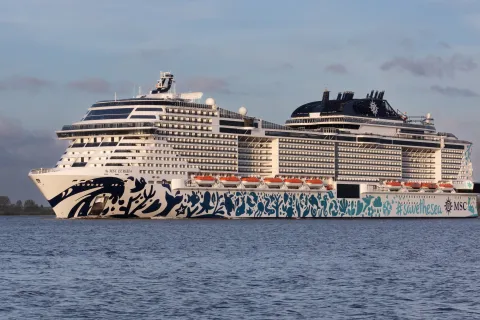
MSC Euribia Launches Norwegian Fjord Cruises from Kiel
KIEL, Germany - MSC Euribia has launched its Northern Europe season with weekly fjords itineraries after completing a Red Sea and Suez Canal transit that kept deployment plans on track.
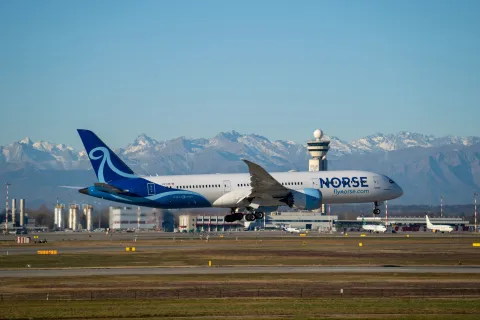
Norse Canceled My Flight Months Out: The Budget Transatlantic Gamble
Budget airline Norse canceled a transatlantic flight 4 months out, turning a $329 bargain into an $847 problem.
About the Author
Jeff Colhoun
Jeff Colhoun is an acclaimed travel writer, photographer, and filmmaker, whose work is respected both in the United States and internationally.