
Best Places to Visit in France: 9 Standout Destinations for 2026
Find Your Kind of France
The best places to visit in France don’t all belong on the same itinerary. Paris might mean an afternoon with the Impressionists followed by a café table facing the street. Provence offers market stalls piled with seasonal produce and villages that reward an unhurried wander. Along the French Riviera, waterfront walks compete with art museums; around Bordeaux, the city itself deserves as much attention as the cellars beyond it. Then there’s Chamonix, where the mountains make even ambitious sightseeing plans look rather small.
These nine destinations are complementary recommendations, not a scientifically ranked list. Each offers distinctive experiences, a worthwhile overnight base, and enough food, lodging, and transport options to make a satisfying trip. They also fit different seasons and travel styles. A winter museum break and a summer Alpine holiday need very different packing lists.
Here’s the most useful planning rule: for a first trip of roughly seven to 10 days, choose Paris plus one region. With two weeks, consider two additional bases if the transport connections cooperate. France rewards staying put more than a crowded map suggests.
If you’re still comparing countries, our guide to the best places to visit in Europe puts France in a broader context. Already committed? Start by deciding what you want between the famous sights: long lunches, vineyard visits, coastal walks, or mountain air.
Quick Facts
- Best Time to Visit: Spring and fall for city touring; summer for higher Alpine trails; winter for skiing and seasonal markets.
- Currency: Euro; carry a backup card and some cash.
- Language: French. A friendly “bonjour” is the right opening almost everywhere.
- Getting There: Paris Charles de Gaulle is a major international gateway; regional airports and high-speed trains can reduce backtracking.
1. Paris: Best for a First Trip to France
Give Paris three or four nights, preferably more if museums are your main event. The Marais suits travelers who like historic streets, independent shops, and lively evenings; check the walk to your nearest Métro station. Saint-Germain-des-Prés offers cafés, galleries, and convenient Left Bank exploring, usually with an accommodation premium.
Things to Do in Paris
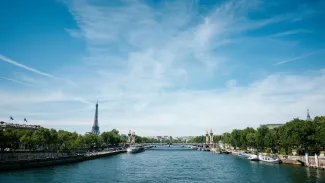
Choose the Louvre or Musée d’Orsay for one substantial museum visit. Pair the Louvre with the Tuileries and a Seine walk rather than attempting another major museum afterward. Your feet will appreciate the editorial restraint.
The Louvre closes Tuesdays, and advance timed reservations are strongly recommended. Check its official ticketing page for citizenship, residency, and exemption rules, plus live opening and gallery-closure notices. Book the Eiffel Tower through its official ticketing channel, selecting the access level you actually want; summit access can be weather-dependent.
Leave room for a neighborhood walk and a café stop without an appointment attached. Those intervals are part of the experience, not gaps to fill.
Eat and Stay
Start with a neighborhood bakery and reserve one bistro dinner. A restaurant beside a landmark sells convenience; that doesn’t automatically make it good value.
Compare Hôtel National des Arts et Métiers, near the Arts et Métiers neighborhood, with Hôtel des Grands Boulevards, convenient for covered passages and theater-district evenings. Compare room sizes and street-facing versus courtyard categories, not just photographs.
For help narrowing the choices, plan your Paris trip around your interests rather than somebody else’s checklist.
2. Provence: Best for Markets, Villages, and Roman History
Provence deserves three or four nights. Avignon works well for rail arrivals and western Provence, although Avignon TGV and Avignon Centre are different stations. Aix-en-Provence offers a different base, with market squares, elegant streets, and easier access to the region around Marseille.
Choose a coherent outing: Arles for its Roman amphitheater and historic center, or a Luberon village circuit linking Gordes and Roussillon. Combining both in one sprawling day means spending too much of Provence behind a windshield.
Lavender is a seasonal bonus, not permanent scenery. Flowering generally falls between late June and August, with elevation, weather, and harvest timing changing the picture. Check local bloom reports before building a trip around purple fields. Outside summer, smaller countryside businesses may shorten their hours. For Cézanne’s studio in Aix, check reopening information before including a visit after its October 31, 2026 season end.
Eat, Stay, and Get Around
Aix’s Place Richelme is a useful starting point for a morning produce market; check the local calendar for your date. Build lunch around seasonal fruit, cheese, and olives, then book a regional restaurant dinner.
In Avignon, consider Hôtel d’Europe on Place Crillon. Don’t confuse Aix’s Hôtel de Caumont, an art attraction, with bookable lodging.
Rail connects principal cities; scattered villages are easier with a rental car or organized excursion. Use designated village parking, and arrange a designated driver for winery visits.
3. The French Riviera: Best for Coastal Scenery and Art
For a first French Riviera visit, spend three nights in Nice. It gives you a functioning city, waterfront scenery, and useful rail connections without requiring a new hotel every evening.
Combine Vieux Nice with the Promenade des Anglais and one art museum, such as the Musée national Marc Chagall. Give Antibes and its Musée Picasso a separate half-day or full day. Menton makes another manageable coastal outing; you don’t need to collect every resort between breakfast and sunset.
The Riviera isn’t exclusively sandy beaches and expensive loungers. Nice’s beaches are largely pebbly, resort traffic can be heavy, and the cultural attractions are a major reason to come. Spring and fall are excellent for walking and museums, but swimming weather isn’t guaranteed. Nice retains substantial year-round services; Saint-Tropez has much more pronounced seasonal shutdowns.
Eat and Stay
Try socca, the chickpea pancake best eaten hot, and salade niçoise. Look for a busy old-town counter or neighborhood restaurant rather than assuming a waterfront address guarantees a memorable meal.
Consider Hôtel La Pérouse near the eastern end of the waterfront. Confirm the specific room’s outlook, access arrangements, and seasonal facilities before paying extra for a view.
Regional trains work well for Antibes and Menton. Hill villages require separate bus, taxi, or excursion planning; a station on the coast doesn’t necessarily put you near the village above it.
4. The Loire Valley: Best for Châteaux and Gentle Road Trips
The Loire Valley is where restraint improves the holiday. Spend two or three nights in Amboise for a smaller-town atmosphere, or Tours for broader dining choices and stronger transport connections.
Choose châteaux by interest. Chenonceau brings the memorable river setting; Chambord delivers architectural scale; Villandry is the obvious choice for garden enthusiasts. One major château plus an optional smaller stop makes a reasonable day. Three major estates can turn beauty into background noise.
Season matters. Gardens change substantially through the year, winter daylight is short, and opening calendars differ from property to property. Check each estate individually, including its grounds and interiors; don’t assume one château’s winter schedule applies to its neighbors.
Eat, Stay, and Get Around
Plan dinner in your overnight town rather than driving between rural restaurants after dark. Local goat cheese and Loire wines make a good starting point, and winery tastings should be arranged ahead.
Le Manoir les Minimes is an Amboise lodging candidate for travelers who prefer a smaller base. Confirm parking arrangements and room access directly, especially if stairs are a concern.
Trains reach the gateway towns, but the last stretch is the challenge. A rental car or prearranged excursion simplifies château-to-château travel. Cycling can be lovely in suitable weather, provided distances, daylight, and bike availability are planned rather than guessed.
5. Normandy and Mont-Saint-Michel: Best for History and Dramatic Landscapes
Allow at least three nights, using Bayeux for the D-Day sites and a separate overnight nearer Mont-Saint-Michel if the abbey is a priority. These are distinct touring areas, not adjacent attractions.
For the D-Day coast, choose one beach sector, a memorial or cemetery, and one museum. Giving those places time is both more meaningful and less exhausting than attempting the entire coastline. Bayeux offers a practical historic base, but check the official Bayeux Tapestry museum reopening information before counting on access during its renovation period.
At Mont-Saint-Michel, village access is free; the abbey requires paid admission, and parking or transport can add separate costs. Check tide and access guidance before traveling. Bay walks require an authorized guide; the tidal landscape isn’t somewhere to improvise. Expect steep lanes, steps, and substantial walking even without a bay excursion.
Eat and Stay
Look for seafood, cider, and Norman cheeses. If staying near the Mont outside peak season, reserve dinner rather than assuming several kitchens will be open late.
Hôtel Villa Lara suits a Bayeux-based history itinerary. Le Relais Saint-Michel, in La Caserne, serves a different purpose: proximity to the Mont’s approach. Confirm parking procedures, restricted-access instructions, and the exact room category before relying on any advertised view.
6. Alsace: Best for Storybook Towns and Christmas Markets
Spend two or three nights in Strasbourg for city culture and rail connections, or choose Colmar for a smaller base near wine villages. Strasbourg’s cathedral and Petite France deserve an unhurried day; make Colmar or a wine-route outing a separate excursion.
Regional trains connect the principal towns, but they don’t deliver you to every village square or winery door. For countryside tasting days, arrange transport in advance rather than counting on a convenient taxi appearing.
Strasbourg’s published 2026 Christmas-market dates are November 27 through December 24; check the official event calendar before booking. Don’t assume the stalls continue after Christmas Eve. Market weekends bring heavy demand for rooms and crowded streets, so reserve early.
Outside the festive season, Alsace still offers vineyard scenery, village walks, and booked tastings. The half-timbered architecture doesn’t pack up with the decorations.
Eat and Stay
Try a winstub, a traditional Alsatian tavern, for tarte flambée, choucroute, and regional white wines. These are meals worth lingering over, particularly after a chilly day outside.
Consider Hôtel Les Haras on Rue des Glacières, just beyond the busiest historic lanes. Before driving into Strasbourg or Colmar, check pedestrian zones, hotel drop-off instructions, and parking arrangements; a central address doesn’t necessarily mean straightforward vehicle access.
7. Bordeaux: Best for Wine Without Sacrificing City Life
Give Bordeaux three nights, balancing its riverfront and historic streets with one wine-country day. The city isn’t simply a waiting room for château appointments.
Start with the Cité du Vin at 134 Quai de Bacalan for context, then choose a region to explore. Saint-Émilion combines a historic wine town with surrounding vineyards. The Médoc suits an estate-focused outing, while Graves and Pessac-Léognan offer another cluster south of the city. All three don’t belong in one relaxed day.
Winery visits commonly require appointments. A train to Saint-Émilion doesn’t solve transport to every estate, and famous names don’t guarantee walk-in access. Use a driver or organized outing when tasting. After the main harvest, cellar visits and tastings remain the focus, but individual château schedules still need checking.
Eat and Stay
Make room for a canelé, a wine-bar stop, and a regional dinner. If you don’t drink, Bordeaux’s architecture, museums, and riverside walks still justify the stay; nobody needs to earn their place here with a tasting notebook.
Hôtel de Sèze, near the Allées de Tourny, is a candidate for a central city base. Confirm vehicle access and parking before arrival. For most city sightseeing, walking and public transport are more useful than keeping a rental car at your disposal.
8. Lyon: Best for Food and a Less-Rushed City Break
Lyon deserves two or three nights, not merely a lunch stop between Paris and Provence. Choose Presqu’île for a convenient first-visit base, with restaurants, shops, and useful transit connections close together.
Group Vieux Lyon, Fourvière, and the Roman theaters geographically. The Fourvière funicular saves a steep climb; you can spend that energy exploring instead. For another day, choose the Musée des Confluences or Institut Lumière according to your interests.
The city’s traboules, passages through buildings and courtyards, include residential spaces. Use authorized visitor access, observe posted hours, and keep voices down. An interesting doorway isn’t an invitation to wander into someone’s home.
Eat and Stay
A bouchon is a traditional Lyonnais restaurant associated with hearty regional cooking and convivial dining. Check recognized local listings and menus rather than assuming every restaurant using the word delivers the same experience. Reserve a traditional dinner, particularly on weekends.
Les Halles de Lyon Paul Bocuse, at 102 Cours Lafayette, makes a food-focused stop; check individual stall and restaurant opening days before going. Morning generally offers a better shopping experience than arriving near closing.
For architecture-led lodging, consider InterContinental Lyon – Hotel Dieu in the historic Hôtel-Dieu complex. Lyon works year-round, with museums and long lunches providing useful alternatives when outdoor plans meet rain.
9. Chamonix: Best for Alpine Scenery and Mountain Adventures
Allow three nights in Chamonix for weather flexibility. Summer hiking, winter skiing, and shoulder-season sightseeing are different trips; don’t assume the same lifts, trails, and restaurants operate throughout the year.
The Aiguille du Midi is the headline excursion for high-altitude scenery and Mont Blanc views. Visibility, wind, maintenance, and the availability of upper-level attractions determine the experience. Check the official operating calendar and booking page before committing, particularly during shoulder-season maintenance periods.
This isn’t a universally suitable cable-car outing. Review the operator’s age, health, and altitude guidance, and seek medical advice if relevant to your circumstances. Sightseeing also isn’t equivalent to technical mountaineering or off-piste skiing, which require specialist preparation and, often, professional guiding.
Keep lower-elevation walks and town-based alternatives available, but check current trail conditions. A pleasant summer route can become icy or snow-covered later in the year.
Eat, Stay, and Arrive
Book a Savoyard dinner featuring fondue or raclette, especially during busy ski periods. Consider Hôtel Héliopic near the Aiguille du Midi departure area; confirm seasonal services and the room category that fits your group.
Geneva is a common gateway, but it’s in Switzerland. Check transfer arrangements, applicable border requirements, and baggage allowances for ski equipment. Leave weather-related travel buffers before an important flight rather than trusting a mountain transfer to run like a city subway.
When to Go, How to Get Around, and What to Book
Best Time to Visit
Spring and fall often balance comfortable city touring with manageable crowds, although rain and holiday weekends can complicate the picture. Summer suits coastal stays and higher Alpine hiking, but heat, traffic, and accommodation demand rise. Lavender has a limited flowering window; winter skiing depends on conditions and operating lifts. Christmas markets belong to specific late-November and December dates, not the entire winter. In rural areas, confirm seasonal restaurant and attraction openings before choosing a base.
Getting There and Around
For U.S. travelers, JFK to Paris Charles de Gaulle is a useful nonstop option to compare across Air France, American, and Delta. Google Flights data as of November 4, 2026 lists about 440 minutes nonstop. Confirm the operating airline, arrival airport, and schedule for your dates; a codeshare listing doesn’t necessarily mean a different flight.
At Charles de Gaulle, allow for immigration, baggage, and the airport transfer before an onward train. The airport’s TGV station isn’t interchangeable with central Paris stations such as Gare de Lyon or Montparnasse. Avoid a tight separate-ticket connection after an overnight flight.
Rail works well for major cities and much of the Riviera. Paris to Lyon can take around two hours on a direct high-speed service; check SNCF Connect for the actual stations, journey time, and ticket conditions. TGV and OUIGO bookings are tied to specific departures; check baggage, exchange, and refund rules before paying.
For Loire châteaux, Normandy sites, Luberon villages, and dispersed wineries, choose a car or planned excursion. Collect a rental when leaving a major city, then check parking, vehicle-access restrictions, and any Crit’Air requirements for your route and vehicle.
Practical Tips
Use official French and EU guidance to check passport validity, visa requirements, and the entry procedures applicable to your nationality, including the current status of EES and ETIAS. Don’t rely on an old article’s projected launch dates.
Carry a backup card and some euros for small purchases. Check whether accommodation tourist taxes are included or collected separately. Restaurant prices generally include service; an additional tip is optional, not a U.S.-style percentage obligation. Reserve popular dinners, especially Sundays and Mondays when alternatives may be limited.
Accessibility varies sharply between city museums, cobbled villages, abbey stairs, château grounds, and high-altitude attractions. Read attraction-specific access information and ask hotels about the actual room route.
Book in this order: flights and overnight bases, major timed attractions, intercity transport, then special meals and tastings. That keeps the essentials from being squeezed around a lunch reservation.
Choose a Realistic France Itinerary
First trip, seven nights: Spend four nights in Paris and three in either the Loire Valley or Normandy. Choose one extension, not both. The Loire favors château visits and countryside drives; Normandy brings wartime history and coastal landscapes. Adding Mont-Saint-Michel means planning its overnight location carefully.
Food and southern France, 10 nights: Try three nights in Paris, two in Lyon, three in Provence, and two in Nice. This is a faster-paced route with several transfers, not a leisurely grand tour. Drop one base if you’d rather unpack fewer times and have room for an unscheduled afternoon.
Wine-focused trip, seven nights: Combine three nights in Paris with four in Bordeaux, including one or two prebooked wine-country excursions. You’ll get more from those visits than from crossing France to collect distant wine regions.
Seasonal alternative: Pair Paris and Alsace during the scheduled Christmas-market period, checking event dates before committing. Or give Chamonix a dedicated Alpine stay with enough flexibility for changing weather rather than treating the mountains as a quick add-on.
The simplest decision rule still holds: choose one city anchor and one contrasting regional experience. France will provide plenty to do. Your job is to leave enough room to enjoy it.
About the Author

Jeff Colhoun
Jeff Colhoun is a photographer and filmmaker whose work has appeared in The Wall Street Journal, the Los Angeles Times, Matador Network and Barron’s.