Stay current with our hotel news coverage.
When "Full Service" Doesn't Include a Toilet
NEWPORT BEACH, California — Imagine checking into a hotel, walking into your room, and finding a note that says the toilets won't work today. Oh, and neither will the shower. Your alternative? A porta-potty in the parking lot. That's not a nightmare scenario from a budget roadside motel; it's what happened this week at the Newport Beach Marriott Bayview in California, where guests paid roughly $250 a night, according to View From The Wing travel blog. The hotel shut off water to guest rooms for repairs, leaving in-room bathrooms completely nonfunctional and sending guests outside to use what the property positioned as the next-best thing: a portable restroom unit sitting in the parking lot. The incident raises some pretty uncomfortable questions about what hotels owe their guests, what "full service" actually means, and how you can charge someone hundreds of dollars for a room that doesn't have a working toilet.No Warning, No Water, No Apology Worth Much
According to the blog report, the hotel distributed a written letter to guests explaining that water supply to the property was being turned off for repairs and that showers wouldn't work during the affected hours. Fair enough; things break, and repairs happen. But here's where it gets messier: guests weren't contacted before they arrived. They learned about the water shutdown only at check-in or when they walked into their rooms and saw the notice. That's a problem. If you're planning a trip to Southern California and booking a Marriott, you're probably expecting basics like a functioning bathroom. When a guest complained and pushed back, the property offered 10,000 Marriott Bonvoy points as compensation, the blog reports. That's worth roughly $60. For a room that typically runs around $250 a night. The math doesn't exactly work out in the guest's favor. "I don't see how a hotel charges a guest while failing to deliver access to a shower.. or a toilet.. at a full service brand even," View From The Wing noted in its commentary, according to the blog.The Porta-Potty Solution Nobody Asked For
Let's pause on the logistics here. The Newport Beach Marriott Bayview placed a portable restroom unit in the parking lot as a substitute for in-room facilities. Not a public restroom in the lobby or a nearby conference room with temporary access; an outhouse-style setup outside. During what was reportedly a daytime repair window, guests who needed to use the bathroom had to leave their rooms, walk through the hotel, head into the parking lot, and use a porta-potty. This isn't a camping trip or a construction site. It's a Marriott-branded hotel charging market rates. And while some commenters noted the unit may have been an upgraded "Luxury Flush" model, that's still a far cry from what guests reasonably expect when they book a hotel room with a bathroom. One blog commenter summed up the disbelief: "That this hotel–as a full-service hotel no less–figured they could get away with two full days of no water rather than shut down for those days is truly shocking," according to View From The Wing.What About Health Codes and Disclosure?
There's a broader issue lurking beneath the logistics: is it even legal to operate a hotel without running water? Commenters on the blog debated whether this setup could violate health codes or habitability standards. In California, buildings are generally considered uninhabitable without water if service isn't restored within a certain timeframe, though those standards vary and enforcement is inconsistent. The hotel didn't close. It didn't suspend reservations or offer deep discounts. It kept taking guests at regular rates and directed them to make do. Whether that runs afoul of local health or building codes is unclear from public reports so far, but it certainly raises eyebrows. And it raises the question of whether hotels should be required to clearly warn customers of planned water shutoffs before arrival and provide options to cancel or rebook without penalty.When Brand Standards Meet Reality
This incident sits at an awkward intersection of hospitality standards, consumer rights, and public health. The Newport Beach Marriott Bayview is a Marriott-branded property, located at 500 Bayview Circle in Newport Beach, California. It's marketed as an all-suite hotel, which typically suggests a step up in amenities and service. But brand standards can only go so far when the infrastructure fails and the property decides to stay open anyway. "The Newport Beach Marriott Bayview in California shut off the toilets in its rooms this week and was sending guests to an outhouse in the parking lot, with water supply to the hotel turned off for repairs," View From The Wing travel blog reported. The story originates from a single travel blog report and hasn't been independently verified by mainstream news outlets or local authorities. But the account, complete with photos of the guest letter and the parking lot setup, struck a nerve with frequent travelers who expect more from a major hotel brand.What This Means for Travelers
If you're booking a hotel, you're entering into a basic contract: you pay for a room, and the hotel provides a safe, functional space with the advertised amenities. When a hotel can't deliver on something as fundamental as a working toilet or shower, the fair response isn't a token gesture of loyalty points. It's a full refund, a room at a nearby property, or simply closing the affected rooms until repairs are done. This isn't about perfection; it's about baseline habitability. Hotels operate with the understanding that guests will have access to running water, working plumbing, and basic sanitation. When that breaks down, the answer can't be "here's an outhouse in the parking lot and 10,000 points for your trouble." As of now, there's no word from Marriott corporate or the property itself on how this situation was handled, whether guests received fuller compensation, or what protocols should have been followed. But the incident serves as a reminder that even well-known brands can stumble badly when infrastructure fails and decisions get made without thinking through what guests actually need; or deserve.More travel news
United Claims Window Seats Don't Need Actual Windows
San Francisco, Calif. - A federal court refused to toss a class action alleging United charged premiums for window seats on aircraft where no actual window exists, opening the door to discovery and broader scrutiny of airline seat fees.

Southwest Calls Cops on Musician Over Guitar
Sacramento, California - A musician's attempt to board with her acoustic guitar sparked a confrontation with Southwest Airlines staff that ended with law enforcement involvement and an overnight delay.

California Joins Five States on United Boeing Crisis
CHICAGO, United States - United Airlines' flagship Boeing 787-9 with redesigned premium cabins suffers chronic breakdowns, disrupting long-haul service from major hubs including California, Texas, Washington, Illinois, Colorado, and Florida.

United Pilot Sues Marriott Over Bat Bites at Denver Hotel
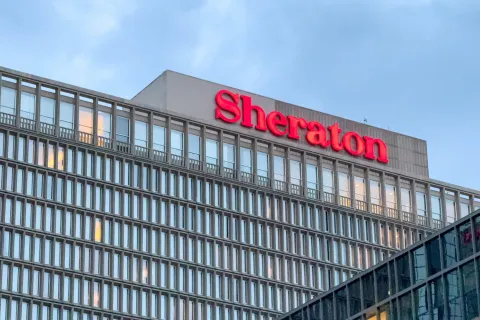
DENVER, Colo. - A commercial airline pilot is suing Marriott after being bitten by bats in his Sheraton room, facing six-figure medical bills and an allegedly dismissive corporate response.
About the Author

Bob Vidra
Bob Vidra, based in scenic Tahoe, is an esteemed tech editor known for his deep understanding of the dynamic intersection of technology, travel, and the outdoors.