Stay current with our travel industry news coverage.
The State Department warns of escalating risks including arbitrary arrests, torture, and limited ability to assist Americans caught in the volatile nation.
US Reaffirms Level 4 Travel Warning for Venezuela Following Military Action
WHAT WE KNOW
According to the U.S. Department of State, the Level 4 advisory warns of "wrongful detention, torture in detention, terrorism, kidnapping, arbitrary enforcement of local laws, crime, civil unrest, and poor health infrastructure." The advisory explicitly states that anyone with U.S. citizenship or any other U.S. residency status in Venezuela should leave immediately, including those traveling on Venezuelan or other foreign passports.
The State Department notes that it has no way to contact U.S. nationals detained in Venezuela, and those detained are not allowed to contact family members or independent legal counsel. According to former detainees cited in the advisory, independent human rights organizations have documented that detainees have been subjected to torture and cruel, inhumane, or degrading treatment, including severe beatings, prolonged restraint in stress positions, and waterboarding.
In a May 2025 media note, the State Department emphasized that "there is no safe way for Americans to travel to Venezuela." A State Department spokesperson added that detained Americans "are not people that did anything wrong. Their only issue is that they are American. Venezuela takes more Americans than any other country for that sole reason."
The Federal Aviation Administration issued a new NOTAM on January 3, 2026, barring U.S.-registered planes from Venezuelan airspace starting 06:00 UTC. The FAA had previously issued an airspace warning in November 2025 for the Maiquetia Flight Information Region due to increased military activity. The Department of Transportation Order 2019-5-5, issued in 2019, already prohibited all airlines from providing U.S.-Venezuela air services due to risks to civil aviation security.
WHAT THIS MEANS FOR TRAVELERS
All American travelers are affected by this advisory, regardless of travel purpose or dual citizenship status. The combination of the longstanding Level 4 advisory and new FAA restrictions effectively closes Venezuela to U.S. travelers.
If you are a U.S. citizen in Venezuela:
- Leave the country immediately through available commercial or private means
- Contact the U.S. Embassy Affairs Unit in Bogota if you need assistance
- Monitor the embassy's security alerts for updates on ground conditions
- Shelter in place during active military operations or civil unrest
If you are planning travel to Venezuela:
- Cancel all travel plans; no commercial flight options exist from the U.S.
- Understand that consular services are extremely limited or unavailable
- Know that travel insurance may not cover claims in Level 4 destinations
- Consider alternative destinations in the Caribbean or Central America
Urgency: Immediate. Americans currently in Venezuela face life-threatening risks and should depart without delay. The FAA airspace restrictions eliminate most conventional exit routes for U.S.-registered aircraft.
OFFICIAL ADVISORY
🔴 Venezuela - Level 4: Do Not Travel
The U.S. State Department maintains its highest advisory level for Venezuela with the following key concerns:
- Wrongful detention and torture of U.S. citizens
- Terrorism, kidnapping, and arbitrary enforcement of local laws
- Crime, civil unrest, and poor health infrastructure
- Inability of the U.S. government to provide emergency consular services
The advisory includes extraordinary guidance typically reserved for conflict zones: prepare a will and designate appropriate insurance beneficiaries, develop a communication plan with family including a "proof of life" protocol with specific questions and answers that only you would know, and consider hiring a professional security organization.
Venezuela is one of only a handful of countries worldwide carrying the Level 4 designation, placing it in the same risk category as active war zones like Russia and Syria.
THE BIGGER PICTURE
Venezuela has remained under the highest U.S. travel warning level continuously since February 2019, reflecting sustained deterioration in safety conditions and U.S.-Venezuela relations. The advisory has been reissued at regular intervals with minimal changes; the December 3, 2025 reissuance contained no edits from the previous version.
According to a State Department briefing, Venezuela detains more Americans for wrongful reasons than any other country. Then-Secretary of State Marco Rubio stated in March 2025 that there are Americans wrongfully detained in Venezuela, though specific numbers remain classified for operational security reasons.
The January 2026 military escalation marks a new phase in U.S.-Venezuela tensions. Deputy Secretary of State Christopher Landau described the military action as marking "a new dawn for Venezuela," saying that "the tyrant is gone." Transportation Secretary Sean Duffy confirmed that the FAA restricted airspace "in support of the Department of War" to "ensure the safety of the flying public."
The sustained Level 4 advisory has effectively eliminated Venezuela's already minimal American tourism sector. Combined with the 2019 prohibition on U.S.-Venezuela air services, American travelers have had no legal commercial flight options for more than five years. This extended isolation compounds Venezuela's economic challenges and deteriorating infrastructure, creating a self-reinforcing cycle that makes conditions increasingly dangerous for any travelers who do enter the country.
Google Trends data shows low current search interest in Venezuela travel advisories, suggesting many potential travelers have already internalized that the country is off-limits. Rising searches focus on other international travel topics and sporting events rather than Venezuela-specific concerns.
WHAT'S NEXT
The State Department will likely continue reissuing the Level 4 advisory at regular intervals as long as current conditions persist. Unless significant political changes occur, Venezuela will remain effectively closed to American travelers for the foreseeable future.
Key questions that remain unanswered include the number of Americans currently in Venezuela who may need evacuation assistance, the long-term status of FAA airspace restrictions beyond the immediate military operations, and whether any diplomatic channels exist for resolving wrongful detention cases.
Travelers should monitor the State Department's travel advisory page and the U.S. Embassy Affairs Unit for Venezuela for updates. Americans with family members or business interests in Venezuela should develop contingency plans that assume no U.S. government assistance will be available in country.
For adventure travelers seeking destinations in South America, neighboring countries like Colombia, Ecuador, and Peru offer expedition opportunities without the extreme risks present in Venezuela. The State Department maintains detailed country-specific information for all Western Hemisphere destinations at its travel.state.gov portal.
More travel news
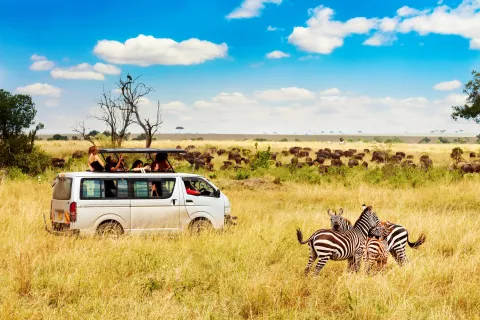
State Department Warns Travelers of Kenya Security Risks
NAIROBI, Kenya - Latest State Department advisory highlights persistent urban crime and cross-border extremist threats, but keeps popular safari destinations outside high-risk zones.
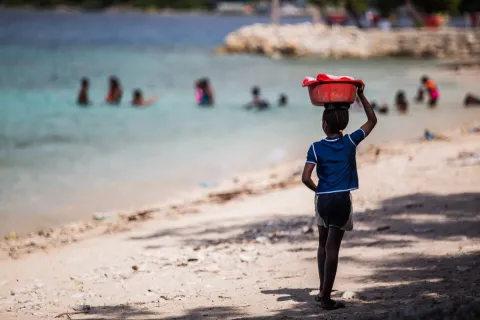
US State Department Bans All Travel to Haiti
Port-au-Prince, Haiti – The State Department's highest-risk travel warning remains in effect as gang violence displaces over 1.5 million and emergency consular support remains unavailable.
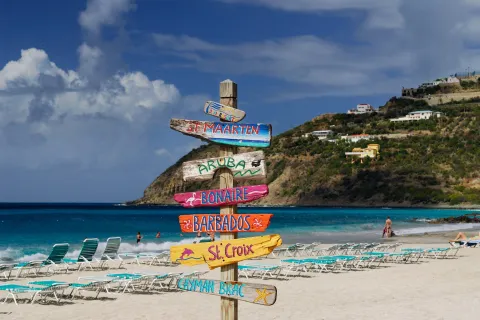
State Department Warns Against Caribbean Travel
Port of Spain, Trinidad and Tobago - The State Department now warns travelers to reconsider visiting Trinidad and Tobago as violent crime and terrorism concerns escalate across the twin-island nation.
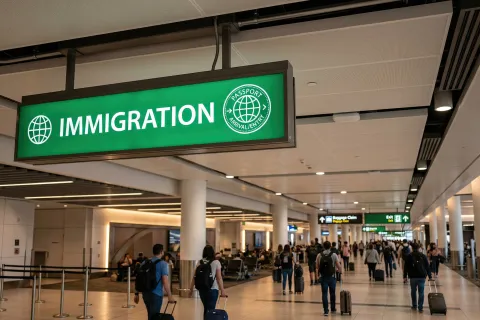
US Demands $15K Bond From Tourists in 50 Nations
WASHINGTON, D.C. — The U.S. expands its visa bond program to 50 countries, requiring tourist visa applicants to post fees up to $15,000 starting April 2.
About the Author
Jeff Colhoun
Jeff Colhoun is an acclaimed travel writer, photographer, and filmmaker, whose work is respected both in the United States and internationally.