Stay current with our airline news coverage.
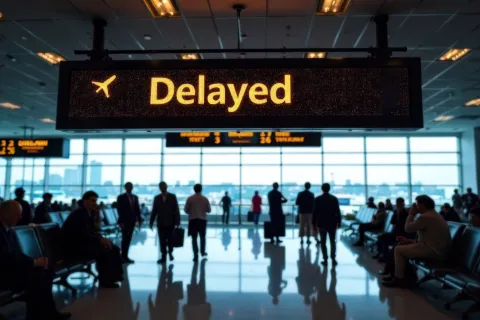
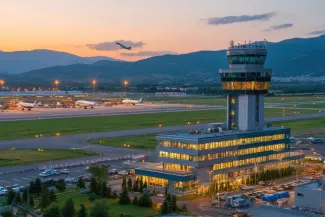
WASHINGTON - The FAA just solved its air traffic controller shortage. Well, sort of. If you can't hit your staffing targets year after year, maybe the problem isn't the hiring pipeline; maybe it's the target itself. On May 16, 2026, the agency released its 2026 ATC workforce plan and quietly revised its national controller headcount goal downward by about 2,000 positions, according to TravelPulse. The move effectively redefines what "fully staffed" means for the system that guides every commercial flight in U.S. airspace. Instead of continuing to chase an ambitious number it has repeatedly failed to reach, the FAA is recalibrating to a lower, supposedly more realistic benchmark; one it says reflects modern staffing models and operational tools.
The New Math of Air Traffic Control
The agency isn't just cutting the target and hoping for the best. According to Simple Flying, the plan leans heavily on the existing controller workforce, including allowing workweeks of up to six days to cover traffic peaks. It also introduces automated scheduling tools meant to match staffing more precisely to hourly demand and shift resources to the busiest facilities. "We can't continue to operate the same way and expect better results. We're changing how we hire, train and schedule our controller workforce; and providing them with the state-of-the-art tools they need to succeed," said FAA Administrator Bryan Bedford, according to reporting on the announcement. The agency says the new approach will address a staffing crunch that has persisted for years, despite aggressive hiring campaigns and initiatives like recruiting video gamers for their multitasking skills. (Spoiler: that didn't quite pan out the way they hoped.)
Why the Target Was Always Hard to Hit
Becoming a fully certified air traffic controller takes between two and five years, and not all trainees make it through. Even with thousands of hires planned in recent cycles, retirements, resignations, and training bottlenecks have left dozens of key facilities operating 10% to 20% below previous staffing benchmarks. High-demand towers and centers in New York, Florida, and on the West Coast have been especially short-handed, according to FAA and oversight reports through 2024 and 2025. Federal pay data analyzed by Simple Flying show a median annual wage of about $144,580 for U.S. air traffic controllers in 2026, with higher compensation at the busiest facilities. That's competitive, but it hasn't been enough to keep the pipeline full or prevent experienced controllers from retiring early after years of heavy overtime and extended shifts. The FAA has acknowledged that even with ambitious hiring plans, the gap between needed and available controllers has proven difficult to close. The new staffing target reflects that reality; whether you call it pragmatism or capitulation depends on where you sit.
Longer Workweeks, Fewer Bodies
The revised plan doesn't just lower the headcount goal. It also contemplates longer workweeks for the controllers already on the job. Six-day schedules are now on the table to cover peak travel periods and short-staffed shifts. That's where the plan gets thorny. Controller unions and safety advocates have warned for years about fatigue and burnout from heavy overtime. Lengthening workweeks while simultaneously reducing the total number of positions doesn't exactly scream sustainability. The FAA says modern scheduling tools and smarter shift assignments will help, but the proof will be in how the system performs this summer and beyond.
What It Means When You're Trying to Book a Flight
The FAA isn't being upfront about one thing: this isn't a fix. It's a redefinition. The agency is essentially saying, "We can't staff to the old target, so here's a new one we think we can hit." Whether that translates into actual operational improvement or just better-looking scorecards is the question every traveler should be asking. If the new staffing models and tools work as advertised, you might not notice much difference. But if they don't, or if controller fatigue becomes a bigger factor, expect more ground delays, especially during peak travel windows like summer afternoons and holiday weekends. The system was already stretched thin at some of the busiest facilities; asking fewer controllers to cover more traffic with longer shifts is a gamble. From a booking perspective, this doesn't change much right now. You're still better off flying early in the day, avoiding Friday and Sunday peak travel, and building in cushion if you've got a tight connection. But it does raise a yellow flag for the next few years. If staffing stays tight and retirements accelerate, congestion could become the new normal at certain chokepoints in the system. The FAA says the plan will allow it to "safely manage traffic despite training and budget constraints." That's bureaucrat-speak for "we're doing the best we can with what we've got." And maybe that's fair; the agency can't magic controllers into existence. But lowering the bar on what counts as fully staffed while leaning harder on the people already doing the job feels less like a solution and more like kicking the can down the runway.
More travel news
Lufthansa Blocks First Class Awards for Millions
FRANKFURT, Germany - Lufthansa blocks first-class award redemptions for frequent flyers in three major markets, eliminating a prized benefit for millions of travelers who've been banking miles for premium cabin flights.

Trump Ends 50-Year National Park Vehicle Ban
WASHINGTON - President Trump reversed Executive Orders 11644 and 11989, lifting decades-old off-road vehicle restrictions on federal lands including areas in and around national parks.

Alaska Airlines Hit With Fine for Boarding Drunk Flyers
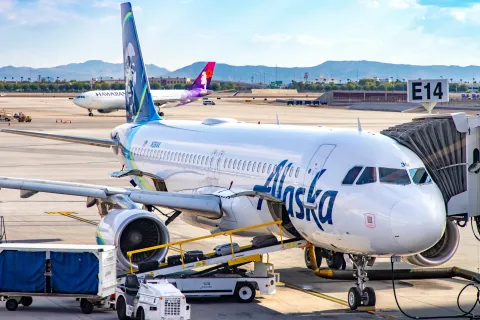
SEATTLE — Alaska Airlines faces a proposed $165,000 FAA fine for allegedly allowing visibly intoxicated passengers to board 11 flights between February 2024 and February 2025.
Colorado Storms Ground 400 Flights Stranding Tourists
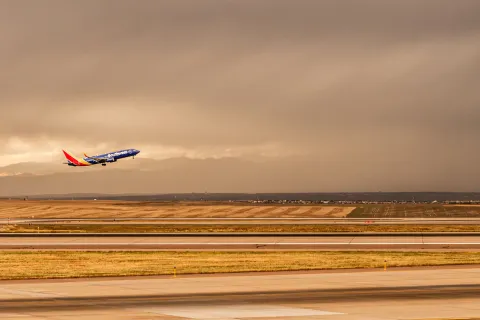
DENVER, Colo. - An FAA ground stop triggered by severe thunderstorms at Denver International Airport on May 27-28, 2026 delayed over 400 flights, stranding tourists and exposing the fragility of tight travel itineraries during Colorado's severe storm season.
About the Author

Bob Vidra
Bob Vidra, based in scenic Tahoe, is an esteemed tech editor known for his deep understanding of the dynamic intersection of technology, travel, and the outdoors.