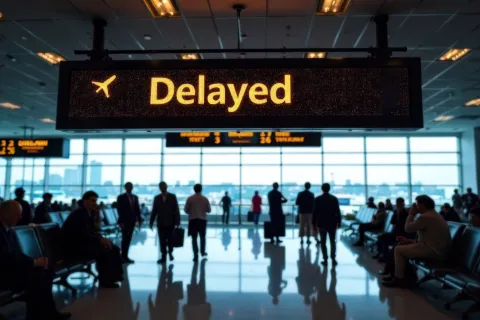
BANGKOK, Thailand — Thailand's tourism sector faces a potential headwind that could particularly impact its youngest visitors: rising oil prices that may keep Gen Z travelers grounded just as the kingdom works to rebuild its visitor numbers from traditional markets. The warning comes from Thailand's permanent secretary of tourism, who pointed to the confluence of elevated fuel costs and persistent market recovery challenges in key sending regions. While daily tourist arrival figures have held steady despite ongoing tensions in the Middle East, the broader picture reveals significant gaps in recovery, particularly from European and Middle Eastern source markets.
European Arrivals Lag Pre-Pandemic Levels
The numbers tell a story of incomplete recovery. Foreign tourist arrivals from Europe and the Middle East totaled 304,714, down 16% from pre-pandemic levels, according to Travel. Within this segment, arrivals from Europe specifically declined 14%, with the drop concentrated primarily among travelers on routes that pass through the Middle East. This routing pattern matters. For many European travelers, the most efficient and affordable connections to Bangkok run through Middle Eastern hubs like Dubai, Doha, and Abu Dhabi. Ongoing regional tensions, combined with higher fuel surcharges that airlines pass through to consumers, create both perceived and actual barriers to travel. The Middle East itself presents an even starker picture. Arrivals from the region plummeted 55% to just 7,490 visitors, with Israeli tourists accounting for the majority at 77% of arrivals, according to Travel.
Daily Figures Stable Amid Broader Concerns
Despite these structural challenges, the permanent secretary noted that daily tourist figures during the period of Middle East tensions "have remained stable and there has been no sharp slowdown," according to Travel. This stability suggests Thailand's appeal remains intact even as macro factors create headwinds. The real concern centers on price sensitivity, particularly among younger travelers who form an increasingly important segment of Thailand's visitor profile. Gen Z travelers, typically defined as those born between the mid-1990s and early 2010s, have shown strong interest in Southeast Asian destinations. They seek authentic experiences, value-driven accommodations, and street food culture of the kind Thailand delivers brilliantly. But this demographic also tends to travel on tighter budgets, book farther in advance to capture deals, and monitor airfare closely. When oil prices spike and airline tickets creep upward, these travelers often delay trips or redirect to closer, cheaper alternatives.
Thailand Targets New Markets in Eastern Europe
Thailand's tourism authorities aren't waiting passively for traditional markets to rebound. The kingdom has launched targeted initiatives like the Amazing Thailand Post-ITB Roadshow 2026 in Eastern Europe, starting in Poznan, Poland, according to Travel. This marks a strategic pivot toward emerging markets that show both enthusiasm and spending power. Poland and broader Eastern Europe represent what tourism planners call a high-value emerging market, with visitors averaging a 14-day length of stay, according to Travel. That's nearly double the kingdom's overall average and significantly longer than many Western European visitors manage given limited vacation time. Longer stays translate to deeper cultural immersion, more distributed spending across regions beyond Bangkok and Phuket, and the kind of word-of-mouth marketing that builds sustained interest. Eastern European travelers also tend to be less fazed by Middle East routing concerns, given their geographic position and travel patterns.
What This Means for Travelers and Thailand's Tourism Ecosystem
For travelers planning Thailand trips, the current environment presents both challenges and opportunities. Airfare volatility linked to oil prices means booking windows matter more than usual. Flexible travel dates and willingness to consider alternative routing, including direct flights or connections through Asian hubs rather than Middle Eastern ones, can yield significant savings. Thailand's tourism infrastructure remains robust and welcoming. The kingdom's legendary street food scenes, from Bangkok's Yaowarat to Chiang Mai's night markets, continue to deliver extraordinary value. Mid-range hotels and guesthouses maintain competitive pricing, and domestic transportation costs remain modest compared to Western destinations. The broader question for Thailand's tourism sector centers on market diversification. Heavy historical reliance on Chinese, European, and select Middle Eastern markets created vulnerabilities exposed by pandemic travel restrictions and now geopolitical tensions. The push into Eastern Europe, alongside ongoing efforts in India and other Asian source markets, reflects recognition that resilience requires breadth. Oil prices, of course, fluctuate with global dynamics largely beyond any single destination's control. What Thailand can control is value perception, visa policies, connectivity from diverse origins, and the authentic cultural experiences that make the kingdom compelling in the first place. For now, daily arrival figures suggest underlying demand remains healthy. Whether that holds if fuel costs push airfares significantly higher, particularly for price-sensitive Gen Z travelers, remains the permanent secretary's central concern and a scenario the kingdom's tourism planners are watching closely.
More travel news
US Warns Citizens to Reconsider Travel to 14 Mideast Nations
Washington, D.C. - The U.S. State Department has reissued security alerts for 14 Middle Eastern countries, warning Americans of rapidly shifting threats and urging caution across the region.

Budget Airlines Slash 900 Flights Amid Fuel Crisis
Seoul, South Korea - Surging jet fuel costs from the Middle East conflict force Korea's low-cost airlines to cancel hundreds of international routes and implement crew furloughs through June.
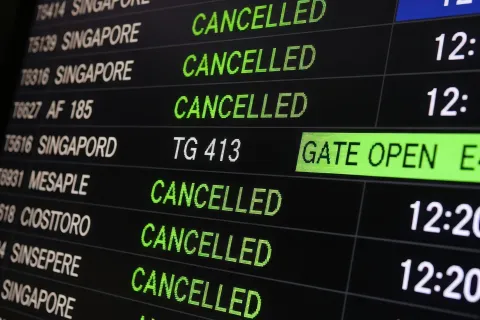
Iran War Chills Japan Tourism as Europe Cancels
TOKYO, Japan - Japan's tourism industry faces mounting European cancellations and economic losses as the U.S.-Israeli war with Iran drives up travel costs and creates uncertainty for long-haul bookings.

Mideast Conflict Threatens Airlines With Soaring Fuel Costs
Global — Aviation intelligence firm alerts industry that the monthlong Mideast war could drive sustained fuel costs and operational risks even after the conflict ends.

About the Author

Andy Wang
As our Asia Editor and a first-generation American, Andy Wang brings a unique dual perspective to Jetsetter Guide.