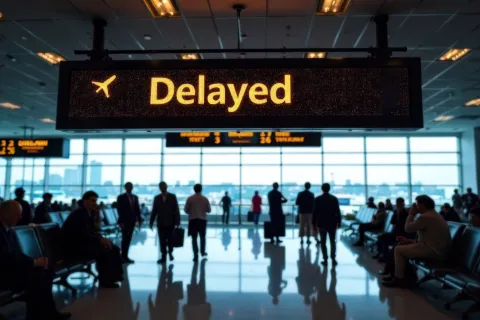
MANILA, Philippines — Just when Philippine tourism was finding its footing again, geopolitics threw a wrench in the recovery. The escalating conflict with Iran has sent jet fuel prices through the roof and triggered the kind of travel slowdown the country hasn't seen since Covid-19 shuttered borders. Hotels are bracing for their toughest stretch since the pandemic, with occupancy already tumbling and no clear end in sight.
The numbers tell a sobering story. Jet fuel costs have doubled in just three weeks, according to Manila Bulletin. That spike has pushed long-haul airfares up between 25 and 50 percent, while ground transportation costs at destinations have climbed 20 to 30 percent. For travelers already watching their budgets, those increases are enough to scrap plans entirely or at least scale them way back.
Hotels Brace for Sharpest Occupancy Drop Since Pandemic
"Philippine hotels are entering their most challenging period since the pandemic. Occupancy is expected to fall sharply in April and May as the fuel crisis drives up airfares, dampens traveler confidence, and squeezes household budgets," said Alfred Lay, Director of Hotels, Tourism, and Leisure at Leechiu Property Consultants, according to Manila Bulletin.
The industry's own survey data backs up that grim assessment. The 2026 Energy Crisis Impact Survey found that 64 percent of hotels are reporting significant to severe operational impacts from the crisis. Even more striking: about 80 percent of surveyed properties said occupancy declines are either already underway or expected to hit in April 2026. Two-thirds of those hotels anticipate occupancy will drop by more than 10 percent at peak impact.
Under the worst-case scenario, one where the conflict drags on, national hotel occupancy could fall below 45 percent. That would push the majority of properties into operating losses and cause full-year arrivals to miss Department of Tourism targets by more than 30 percent.
ASEAN Meeting Cancellations Compound the Pain
It's not just leisure travelers pulling back. The corporate and MICE (meetings, incentives, conferences, exhibitions) segment has taken a serious hit too. The cancellation of 650 in-person ASEAN meetings is expected to hammer room and event revenues, according to Manila Bulletin. About 48 percent of hotels are anticipating a significant impact on their corporate events and conference business.
That's a double blow for city properties that typically rely on business travelers to smooth out seasonal fluctuations. When both leisure and corporate demand soften at the same time, hotels have very few levers left to pull.
Island Resorts Face Diesel Dependency Crisis
Resort properties, particularly those on islands, are in an even tougher spot. These destinations depend heavily on diesel for power generation and fuel-intensive transportation like boats and shuttles. Unlike city hotels that can absorb some cost increases through scale and diversified revenue streams, resorts have limited capacity to buffer the financial hit. Add in the higher cost of simply getting guests there, and you've got a recipe for prolonged pain.
Traveler Behavior Reverts to Pandemic Patterns
"Travelers are expected to take fewer trips, shorten their stays, and gravitate toward cheaper, shorter routes. Booking patterns are reverting to pandemic-era practices, with shorter booking windows and greater demand for flexibility and refundability," said Lay, according to Manila Bulletin.
That shift in consumer behavior is showing up across the board. Instead of locking in trips months in advance, travelers are waiting to see if conditions improve or costs come down. When they do book, they're prioritizing cancellation policies and flexibility over securing the best rate. It's the kind of cautious, wait-and-see approach that defined travel in 2020 and 2021.
Domestic tourism is emerging as the sector's most reliable lifeline. Destinations within driving distance are seeing steadier interest, as travelers avoid the sticker shock of airfare and the hassle of potential flight cancellations. That's helping to partially offset the decline in international arrivals, but it's not enough to make up for the broader slowdown.
A Recovery Hinges on the Hormuz Timeline
The year started with modest optimism. Foreign tourist arrivals for January to February 2026 posted a 3.1 percent year-on-year increase to 1.32 million visitors, according to Manila Bulletin. Long-haul markets led that growth, with Taiwan and other key source markets showing strength.
But that momentum evaporated quickly once the Strait of Hormuz crisis escalated. Major flight hubs in Gulf states, which typically handle 15 percent of global air traffic, have significantly reduced capacity. That's forcing airlines to reroute, cancel flights, and pass costs along to passengers.
"With international arrivals under threat and domestic spending softening, the industry is bracing for a difficult second half of the year; and the outlook beyond that depends entirely on how quickly the Hormuz crisis resolves," said Lay, according to Manila Bulletin.
There is a more hopeful scenario. If a ceasefire happens soon and the Strait of Hormuz reopens within weeks, occupancy could rebound by the third quarter of 2026. In that case, the national average could reach 50 to 55 percent, and the sector could see something closer to normal conditions by the fourth quarter.
What Travelers Should Consider Right Now
If you've been eyeing a trip to the Philippines or already have plans locked in, flexibility is your best asset. Airlines are dealing with volatile fuel costs and route disruptions; that means schedules could shift with little notice. Opt for refundable or changeable bookings if the price difference isn't too steep. You'll thank yourself if things get worse before they get better.
For those planning domestic travel within the Philippines, destinations you can drive to are looking more attractive than ever. Not only do you sidestep the airfare spike, but you also avoid the uncertainty of flight cancellations. Hotels in those areas are likely to offer better deals as they try to capture whatever demand is still out there.
On the international side, hold off on booking long-haul flights to the Philippines unless you're comfortable with potential price swings and itinerary changes. If you're already committed, check your airline's rebooking policies now, not when you're standing at the airport. The situation is fluid, and carriers are adjusting policies as fuel costs and routing challenges evolve.
The Philippine tourism sector has weathered storms before, but this one's different. It's not a health crisis that shuts down borders; it's an energy and geopolitical crisis that makes travel prohibitively expensive and logistically unpredictable. How long it lasts, and how deep the damage goes, depends on forces far beyond the control of hoteliers, airlines, or travelers. For now, the best strategy is to stay flexible, keep expectations realistic, and watch for signs that the Hormuz situation is stabilizing.
More travel news
Middle East Tourism Collapses Amid Regional Conflict
DUBAI, United Arab Emirates - Iran joins Israel, Saudi Arabia, UAE, Qatar, Iraq, Bahrain, Jordan, Syria, Egypt, and neighboring countries in an unprecedented tourism collapse, losing $600 million daily as conflict reshapes the region's travel landscape.

Budget Carrier Collapses as Oil Crisis Grounds Fleets
MIAMI, USA - Viral reports of Spirit Airlines shutting down and Magnicharters filing for bankruptcy due to a U.S.–Iran oil crisis do not align with verifiable airline industry timelines or real-world events.
Dubai Hotels Shutter as Iran War Chokes Tourism
DUBAI, United Arab Emirates – Regional conflict sends Dubai's once-booming tourism industry into freefall, with hotel occupancy down more than half and luxury properties shuttering amid safety fears.

Philippines Warns Tourists Away From Restless Mayon
Manila, Philippines - DOT issues travel advisory discouraging non-essential visits to areas around Mayon Volcano as Alert Level 3 unrest continues, citing elevated risk from ongoing magmatic activity.

About the Author

Jeff Colhoun
Jeff Colhoun is an acclaimed travel writer, photographer, and filmmaker, whose work is respected both in the United States and internationally.