When Choosing a Destination Becomes a Geopolitical Calculation
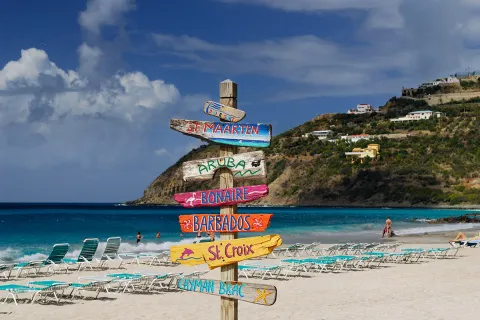
GLOBAL — I used to think choosing a vacation was a matter of weather, airfare and whether I preferred mountains or water. Now it feels more like scanning a geopolitical risk map before deciding whether to pack sunscreen or canned food. That shift didn't happen overnight. But somewhere between scrolling through destination photos and actually booking flights, the calculus changed. The question isn't just where you want to go anymore. It's where you can go, where you should go, and whether the route there will still exist when your departure date arrives.Flight Paths That Redraw Themselves
There's a war in the Middle East that keeps redrawing flight paths on live air traffic maps. Routes that were standard six months ago now loop wide around entire regions. Airlines adjust in real time, passengers rebook without explanation, and layovers in hub cities that once felt predictable now carry an undertone of contingency planning. I've watched this play out from both sides: as a traveler trying to reach an assignment and as someone advising others on whether their planned route makes sense anymore. The maps change faster than the guidebooks. What was direct becomes indirect. What was a six-hour flight becomes ten, with a fuel stop you didn't budget for and a connection through a city you've never heard of. This isn't theoretical. It's the difference between arriving on time with your gear intact and spending two days in transit troubleshooting rebookings while your expedition ship sails without you.Europe's Precision-Timed Disruptions
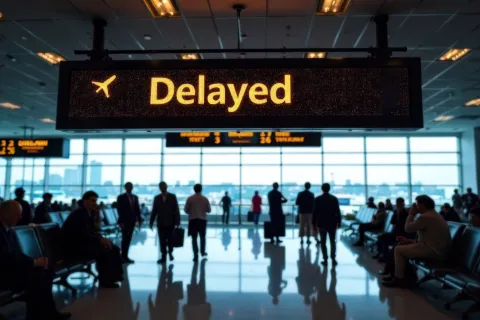
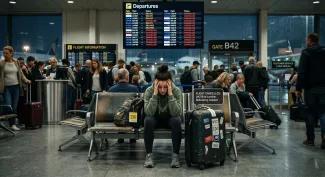
European capitals have periodic strikes that seem to target precisely the week you've booked your ticket. Air traffic controllers, rail workers, ground handlers; the strikes rotate but the outcome is the same. You're grounded, rerouted, or sleeping on a terminal floor with a departure board that blinks "delayed" in three languages. I've built buffer days into European itineraries for years, but the frequency has increased. What used to be an occasional labor action now feels like a seasonal weather pattern you plan around. It's not paranoia when it's happened to you twice in one year. The frustration isn't with the workers. It's with the realization that infrastructure dependencies you never thought about are now variables you have to account for. The train you assumed would run might not. The connection you thought was tight is now impossible. The margin for error has disappeared.Canada: No Longer the Predictable Northern Neighbor
Canada, which once felt like an extension of your backyard with better maps, has shifted too. The relationship has changed. Border crossings feel different. Policy announcements come faster and with less warning. What was reliably straightforward now requires checking updates the morning you leave. I'm not talking about major restrictions or closures. I'm talking about the subtle recalibration that happens when political winds shift and a neighbor that felt frictionless suddenly doesn't. For travelers who treated Canada like a domestic trip with a passport, that shift registers. It's still accessible. It's still worth visiting. But the assumptions that made it easy, the sense that you could show up and sort it out, have eroded just enough to matter.The Risk Map Nobody Wanted to Use
I never planned to become someone who cross-references government travel advisories before choosing a beach. But here we are. The tools exist because they're necessary. Threat levels, regional warnings, "avoid all travel" versus "exercise increased caution"; these aren't abstract categories anymore. They're filters you apply before you even look at hotels. The challenge is calibrating risk without letting fear make every decision. Some advisories are overcautious. Others understate what's happening on the ground. Knowing which is which requires experience, local contacts, and a willingness to read between bureaucratic language. I've been in places where the advisory said one thing and the reality was something else entirely. Sometimes safer, sometimes worse. The map is a starting point, not an answer.What This Means for How We Move
The mechanics of travel haven't changed. Planes still fly, borders still open, hotels still take reservations. What's changed is the awareness that none of it is guaranteed. Routes close. Strikes happen. Political tensions flare. The infrastructure we built our assumptions on is more fragile than it looked. For travelers who thrive in uncertain environments, this isn't new. Expedition travel has always required contingency plans, flexible itineraries, and the ability to pivot when conditions shift. What's different now is that mainstream travel increasingly requires the same mindset. You don't need to be heading to a conflict zone to experience this. You just need to be trying to get to a European city during a transport strike, or routing through airspace that closed overnight, or crossing a border where policy changed while you were in the air.Where We Go From Here
So where exactly are we supposed to go now? Anywhere, still. But the process has layered in complexity that wasn't there before. You build in buffers. You buy insurance that actually covers geopolitical disruption. You check advisories the day before departure, not just when you book. You accept that plans will change and pack accordingly. This isn't pessimism. It's adaptation. The world hasn't stopped being worth exploring. It's just demanded that we approach it with more awareness, more flexibility, and less assumption that everything will work the way it used to. I still believe in going. I just don't believe in going blindly.More travel news
Paradise Ports Hide Dangers Travelers Must Know
Recent travel warnings highlight that scenic cruise ports aren't always as safe as they appear, urging retirees and cruisers to research destinations carefully before booking shore excursions.

Texas Travelers Face New Airline Text Scam
TEXAS — A new text message scam targeting airline passengers is circulating across Texas, with experts urging travelers to verify flight status only through official channels.
Young travelers embrace group trips with strangers
GLOBAL — Young travelers are increasingly choosing organized group trips with complete strangers, transforming how an entire generation approaches connection on the road.

Shrinking Seats Make Flying Miserable for Travelers
GLOBAL — Passenger frustration with cramped cabins intensifies as carriers reduce legroom to deliver rock-bottom fares while facing constraints on seat design and evolving body dimensions.
About the Author

Jeff Colhoun
Jeff Colhoun is an acclaimed travel writer, photographer, and filmmaker, whose work is respected both in the United States and internationally.